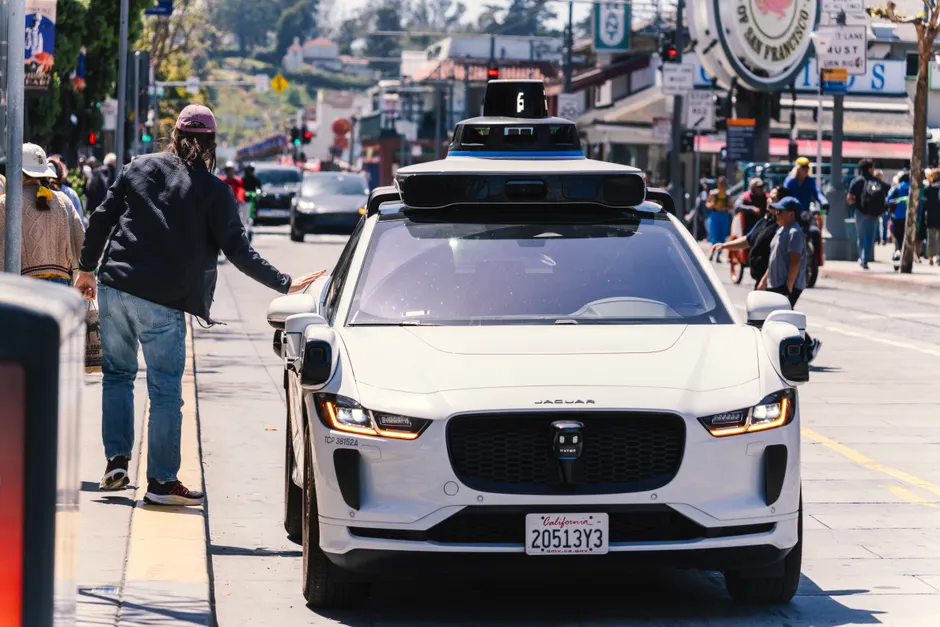
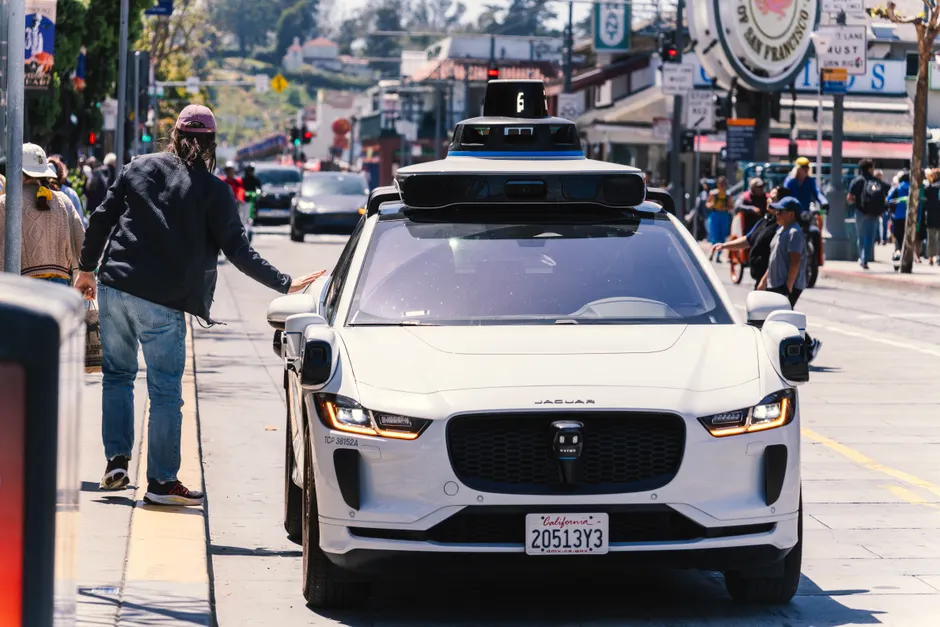
Uber and Waymo Are on Opposite Sides of a D.C. Self-Driving Car Bill — and It Reveals a Deeper Conflict

Uber is actively opposing a Washington, D.C. bill that would allow fully driverless cars to operate commercially in the city — even though Waymo, its own robotaxi partner, is backing the legislation. The conflict will play out publicly at a D.C. Council hearing on Monday, July 14, 2026.
The bill, B26-0684, was introduced by Councilmember Charles Allen in May 2026. It would modernize rules from 2012 to allow companies like Waymo and Zoox to test and run autonomous vehicles without a human safety driver in the car. Right now, those companies can only test with a person at the wheel. The new rules would let the District Department of Transportation issue permits for driverless testing and deployment, require operators to carry at least $5 million in liability insurance, and mandate crash reporting within 8 hours for commercial fleets or 72 hours for personal vehicles TechCrunch.
Uber's opposition is straightforward: the company says the bill would put human drivers out of work and hand Waymo a monopoly in Washington, D.C. In a May council meeting, Javi Correoso, who leads Uber's policy work at the federal level, presented research claiming that one autonomous vehicle displaces about four human drivers. He also argued that robotaxis create traffic congestion by sitting idle or driving around empty, and that they can't help elderly or disabled passengers the way human drivers can.
Uber's counterproposal, which it calls a "hybrid model," would require driverless cars to share a dispatch network with human drivers — meaning the same app would send riders either a human or an autonomous vehicle. More importantly, Correoso has been clear that Uber wants this setup enshrined as a regulatory requirement for the entire industry, not just offered as an option for companies that want it.
Waymo takes the opposite view. The company supports the bill as written, saying it allows safe autonomous vehicle deployment while protecting public transit access and fairness. Waymo also argues the bill includes worker transition support without imposing restrictions on how companies operate. The partnership dynamic is unusual: Waymo vehicles already operate through Uber's app in several cities, so Uber is essentially lobbying against a company it does business with.
The bill includes a financial component that speaks directly to the job-displacement concern. It would tax robotaxi operators $0.15 per mile they drive. The revenue would be split with half going to public transit and the rest funding education and workforce development programs for taxi and ride-share drivers. That mechanism suggests D.C. lawmakers are trying to address Uber's core argument directly — by funding driver retraining rather than banning autonomous vehicles altogether TechCrunch.
Other players are involved as well. Tesla, Lyft, the Teamsters union, and the Service Employees International Union are all engaged with the bill according to TechCrunch, which adds complexity to what can easily be read as just an Uber-versus-Waymo fight.
The timeline is tight. Multiple parties have told TechCrunch they want the bill passed before the end of 2026, specifically before D.C. Mayor Muriel Bowser leaves office in January 2027. That deadline compresses what might otherwise take longer into a few months of intense negotiation.
This D.C. fight fits into a broader pattern of robotaxi companies stepping up lobbying efforts nationwide. Waymo increased its spending in D.C. after the district's robotaxi plans stalled in 2025, according to a February 2026 Axios report. Waymo had announced in March 2025 that it would launch its Waymo One robotaxi service in D.C. in 2026, but regulatory delays pushed that launch back. The new bill is partly Waymo's effort to clear those legal obstacles TechCrunch.
At the federal level, the SELF DRIVE Act (H.R.7390) would give the National Highway Traffic Safety Administration (NHTSA) the authority to set federal standards for self-driving systems and would prevent states and cities from blocking autonomous vehicle deployment if manufacturers meet those federal standards Congress.gov. The Senate Commerce Committee held a hearing in February 2026 on how outdated regulations slow down self-driving car rollout, and the Trump administration has held separate meetings with leaders from Waymo, Zoox, and Aurora aimed at speeding up deployment. If the SELF DRIVE Act passes with preemption language, it could eventually override D.C.'s local rules — though that remains uncertain and federal legislation has historically moved more slowly than city-level action.
The deeper story beneath the immediate policy question is what the disagreement reveals about corporate interests. When Uber demands that autonomous vehicles operate through a ride-hailing platform with human drivers as a regulatory requirement, it is really trying to protect its position as a middleman. If robotaxis can operate directly with riders through their own apps like Waymo One, Uber's value as a dispatching platform for autonomous vehicles shrinks. Waymo, meanwhile, has less incentive to stay dependent on Uber's network once it can operate freely in a city under its own brand.
In my view, the practical outcome that matters most for the next decade isn't whether D.C. passes this bill before year-end. It's whether Uber's hybrid-model framework gains traction in other cities as a template. If that happens — if Uber can convince multiple jurisdictions to mandate that autonomous fleets share dispatch networks with human drivers — it reshapes the relationship between the companies that build self-driving technology and the platforms that connect them to riders. That's the competitive contest worth watching.