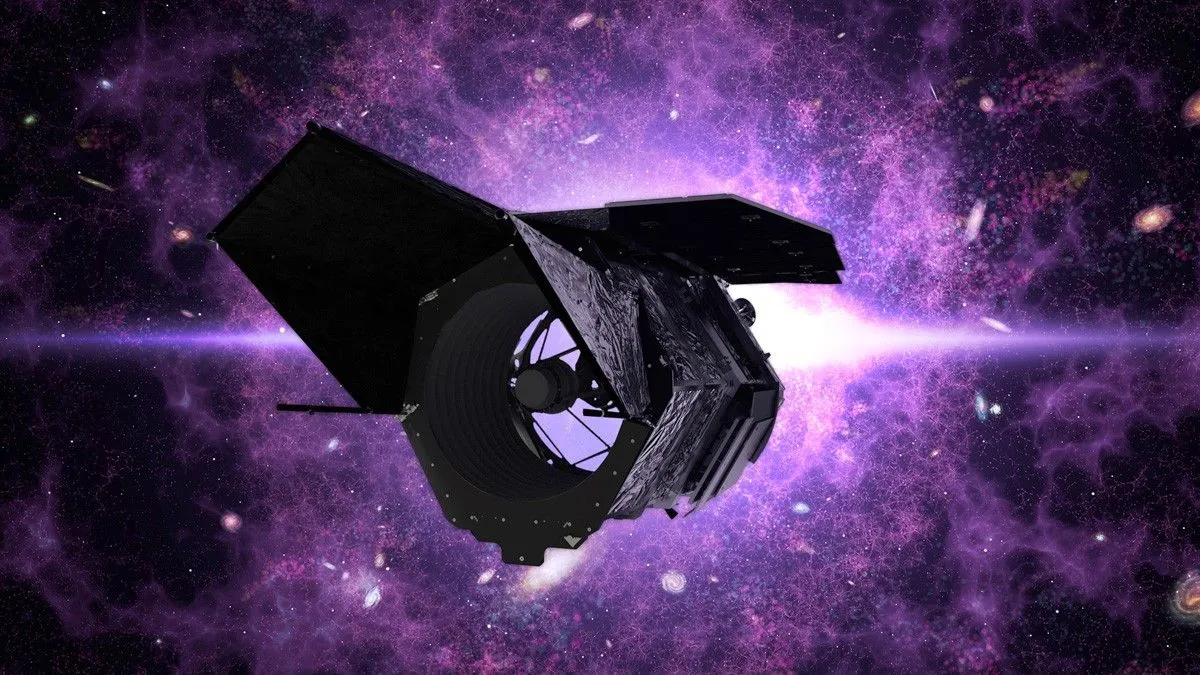
NASA's Swift Observatory Expected to Re-Enter Earth's Atmosphere on Nov. 4
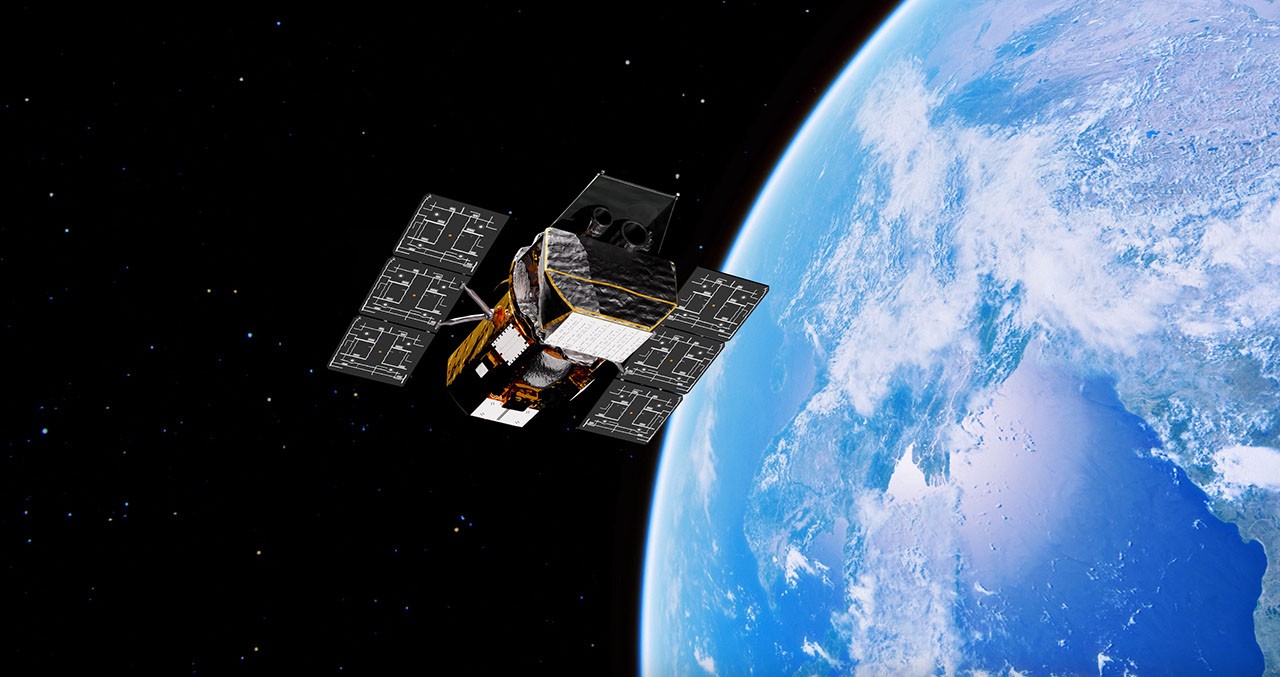
NASA's Neil Gehrels Swift Observatory is expected to fall back into Earth's atmosphere on Wednesday, Nov. 4. The US Space Force predicts the 3,200-pound spacecraft will arrive at about 3:30 a.m. EST, and its descent is uncontrolled, so it cannot be steered toward a chosen area.
Re-entry is the process by which a spacecraft returning from orbit passes through the air and slows down, often burning up in the process. NASA said it expects Swift to re-enter almost 22 years after its launch in 2004. The spacecraft is about the size of a minibus, with solar-panel wings.
Swift was launched as part of NASA's Medium Explorer program, a series of mid-sized science missions. It was designed to operate for just two years. Over its working life it detected and tracked more than 2,000 gamma-ray bursts, which are intense flashes of high-energy light from distant cosmic events. In 2022, scientists using the observatory reported a black hole in a distant galaxy repeatedly nibbling at a Sun-like star, a finding made with a new method of analyzing data from its X-ray Telescope.
NASA conducted the observatory's final observation on Oct. 20. It ended the science mission while the spacecraft was orbiting at less than 171 miles above the Earth. NASA has said Swift can no longer steer or observe. Its orbit had been shrinking, and NASA has said additional atmospheric drag sped up that decline.
An effort to raise Swift's orbit was under way earlier this year. NASA led the reboost effort, and a robotic servicing spacecraft called LINK, built by Katalyst, arrived at NASA's Wallops facility in June. The mission had been planned for a June 2026 launch. In August, however, Reuters reported that the rescue mission had been canceled, and NASA said LINK would not capture or boost Swift to a higher altitude.
According to NASA, most of the spacecraft will burn up during re-entry, but some components are expected to survive. Surviving fragments are limited to a band between 20.6 degrees south and 20.6 degrees north of the equator. NASA estimates the risk of harm to anyone on Earth from the re-entry at approximately 1 in 2,100.