Ava DuVernay Returns to Netflix with '14th,' a Documentary on the Amendment That Defines Who Counts as an American

Filmmaker Ava DuVernay announced on July 16, 2026 that she has completed a new documentary for Netflix titled "14th," examining the 14th Amendment to the U.S. Constitution. Netflix confirmed it will release the film later in 2026. The project brings DuVernay back to nonfiction filmmaking and serves as a direct follow-up to her 2016 documentary "13th," which examined the 13th Amendment's abolition of slavery and its connection to mass incarceration in the United States The Guardian.
DuVernay described the two films as a paired inquiry. "If 13th asked who gets caged, then 14th asks who gets counted," she said in a statement The Guardian. The documentary centers on the 14th Amendment's equal protection and citizenship clauses, according to Deadline's reporting on the announcement Deadline. DuVernay said the film will feature politicians, historians, and cultural voices and will detail how the amendment became "a permanent argument" The Guardian. The Associated Press also distributed a wire story on the announcement on July 16 AP.
The 14th Amendment was ratified in 1868 during Reconstruction, the period after the Civil War when the federal government sought to rebuild the South and establish rights for formerly enslaved people. The amendment overturned the 1857 Supreme Court decision in Dred Scott v. Sandford, which had held that African Americans could not be U.S. citizens. Its Citizenship Clause established birthright citizenship — the principle that anyone born or naturalized in the United States is automatically a citizen The Guardian.
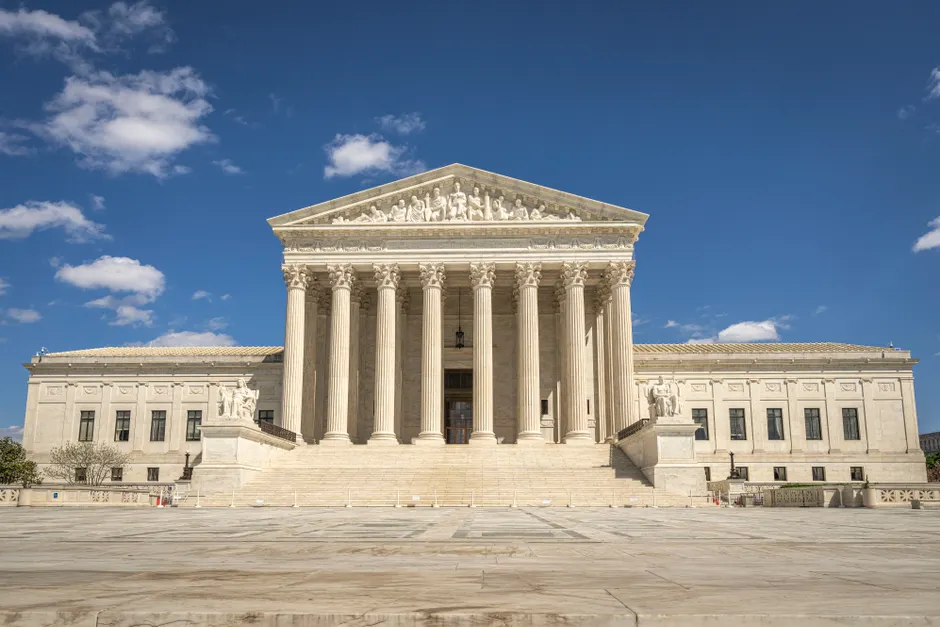
That provision became a live political flashpoint in January 2025. On the first day of Donald Trump's second term, he signed an executive order that would have heavily restricted birthright citizenship as protected by the 14th Amendment The Guardian. In June 2026, the U.S. Supreme Court struck down the executive order by a 6-3 vote. Chief Justice John Roberts wrote the majority opinion upholding the 14th Amendment's birthright citizenship protections. Following the ruling, Trump wrote on Truth Social vowing to continue contesting the decision The Guardian.
The Supreme Court ruling closed one legal chapter but did not end the political dispute. Trump's public vow to keep fighting the decision signals that birthright citizenship will remain contested terrain through the remainder of his term. DuVernay's characterization of the amendment as "a permanent argument" tracks closely with that trajectory: the constitutional text has survived judicial scrutiny, but the political argument over who qualifies for citizenship under it persists.
The broader context here is a filmmaker working at the intersection of constitutional law and contemporary political conflict, with a release timed to land on Netflix in the months after a landmark Supreme Court ruling and amid an ongoing executive challenge to that ruling. DuVernay's previous Netflix documentary, "13th," was released in 2016 and became a reference point in public discourse on incarceration and the 13th Amendment's exception clause, which permits involuntary servitude as punishment for a crime. "14th" enters a different but adjacent debate, one where the Supreme Court has ruled 6-3 but the executive branch has not conceded.
The documentary's format, as described, draws on the same structural template DuVernay used in "13th": archival material interwoven with testimony from historians, politicians, and cultural figures. Whether "14th" achieves the cultural reach of its predecessor will depend in part on the political climate at release. The amendment's history spans Dred Scott, Reconstruction, the incorporation of the Bill of Rights against the states (a legal doctrine applying federal constitutional protections to state governments), and decades of equal protection jurisprudence. The film's scope, as announced, appears to engage that full arc rather than focusing narrowly on the birthright citizenship question alone, though the timing of the announcement ensures that the recent executive order and Supreme Court ruling will be central to how the documentary is received.
Netflix's newsroom, as of mid-July 2026, had not yet featured a press release about "14th" on its landing page's first page of recent announcements. The newsroom's most visible items on that date included a community screening event for "Little House on the Prairie" honoring the Osage Nation and a July 1 announcement of a "Star-Spangled America 250" streaming lineup, neither of which relates to the DuVernay project Netflix Newsroom. The announcement was instead carried by The Guardian, the Associated Press, Deadline, and US News & World Report, all on July 16, 2026.
For an audience tracking constitutional filmmaking and its intersection with live legal disputes, the key detail is sequencing. The Supreme Court ruled in June 2026. DuVernay announced the film in July 2026. Netflix plans to release it later in 2026. The compressed timeline between judicial resolution and documentary release suggests a production that was already underway when the executive order was signed and the litigation was working through the courts, rather than a project commissioned in response to the ruling.