Sony's Pulse Wireless Headset Arrives at $99.99 With Dual-Source Audio

Sony's new PlayStation Pulse wireless gaming headset is priced at $99.99, according to The Verge, which published hands-on coverage of the headset on November 11, 2026.
The Pulse uses custom planar magnetic drivers. In a planar design, a flat diaphragm carries a conductive trace suspended in a magnetic field, rather than the moving cone found in dynamic drivers. Most headsets in this price band use dynamic drivers, so Sony's choice departs from the norm. Listening tests will have to validate it.
Connectivity is the other major part of the design. The headset can stream audio from a PlayStation Link connection and from Bluetooth at the same time, so game audio can stay on the dongle path while a phone call or another Bluetooth source arrives on a second input. The box includes a USB-C PlayStation Link dongle that pairs the headset with a PS5, a PC, or a Nintendo Switch 2. The Pulse can also connect directly to the PlayStation Portal handheld without the dongle, removing one accessory from the Portal setup.
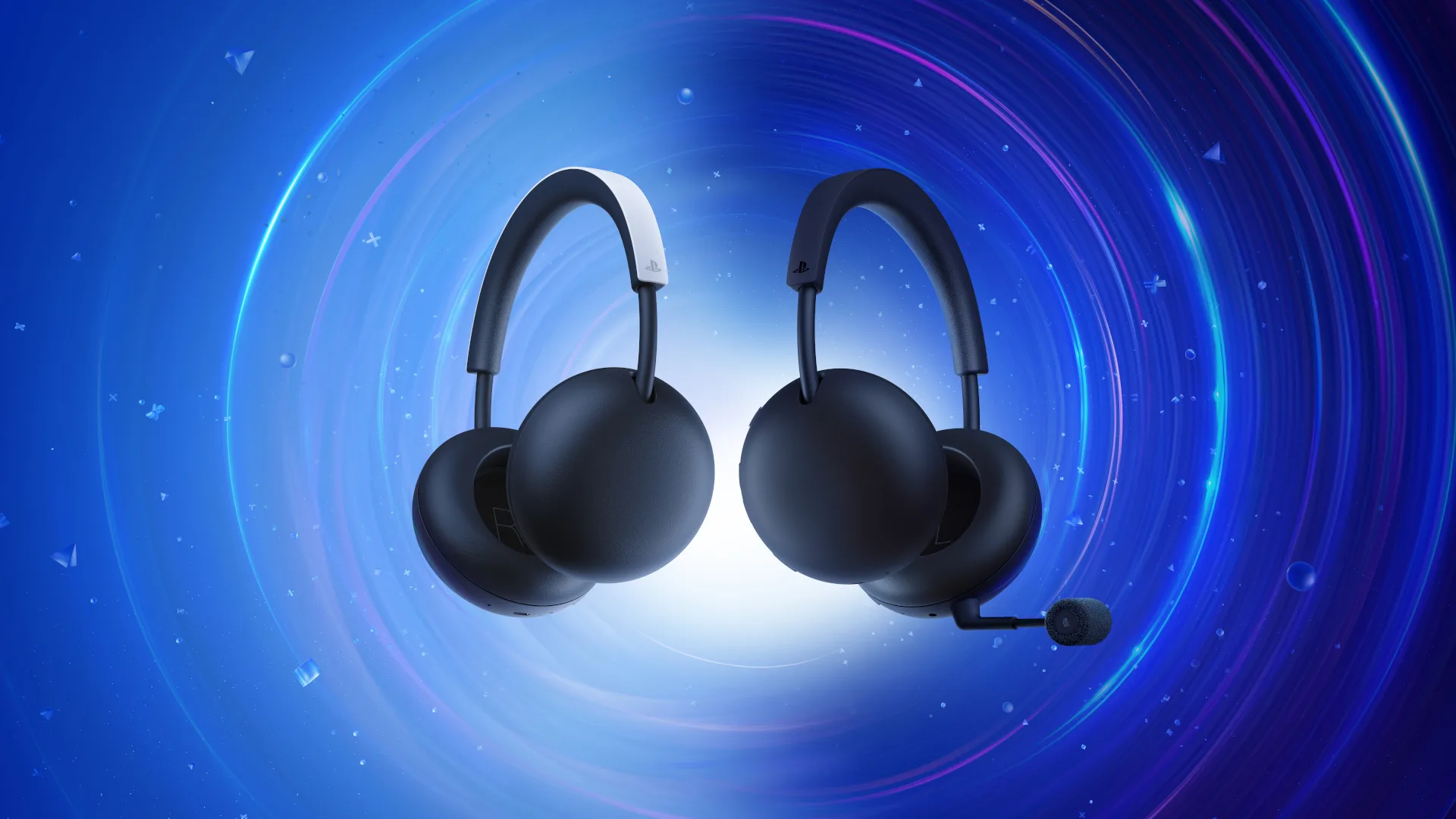
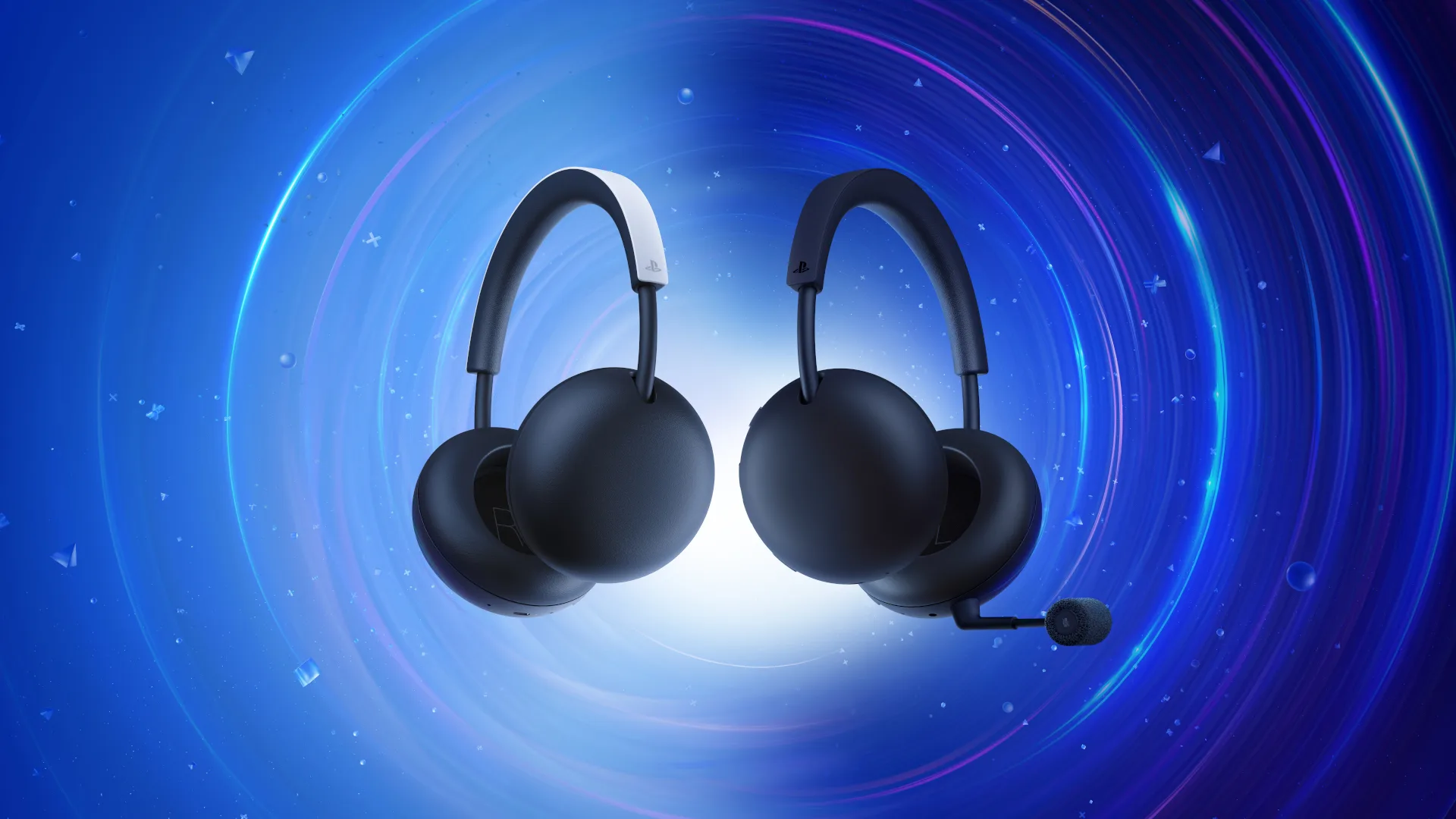
The ear cups rotate 180 degrees in either direction, so they can lie flat around the neck or fold to a different angle when worn. The headset comes in a white or black headband option. A dedicated Bluetooth button handles pairing, pauses and resumes Bluetooth content, and answers or ends calls, rather than requiring a menu press.
In my view, that physical call button matters more than its size suggests, because it is the kind of control players reach for mid-match without looking.
Sony also previewed an upcoming model, the Pulse Edge. According to the same report, the Edge has eight magnets in its drivers, compared with four in the standard Pulse. It adds active noise cancellation, a detachable boom microphone, game and chat audio controls, a 3.5mm jack, and a carrying case. The Edge has not been priced, so buyers comparing the two models will have to wait for that figure.
In my view, the most useful question for competitive players is how the dongle path performs on latency, since most gaming buyers will judge that connection first. A spec sheet cannot answer that. Independent measurements can, and they should be read alongside the Bluetooth path, which carries phone and call traffic at the same time.
The broader context here is a platform trend. A single headset that serves a console, a PC, a Switch 2, a handheld, and a phone reduces the cable and pairing friction that has long defined console audio. The Pulse's dual-source design and dedicated Bluetooth control point toward that consolidation. The Edge, with its doubled magnet count and noise cancellation, suggests Sony is building a tier structure on one platform rather than a single product. Whether that structure holds at $99.99, and at whatever price the Edge carries, will become clearer once both headsets are in buyers' hands.