Iran's Revolutionary Guard Says It Destroyed US Radar in Bahrain; Washington Denies Damage
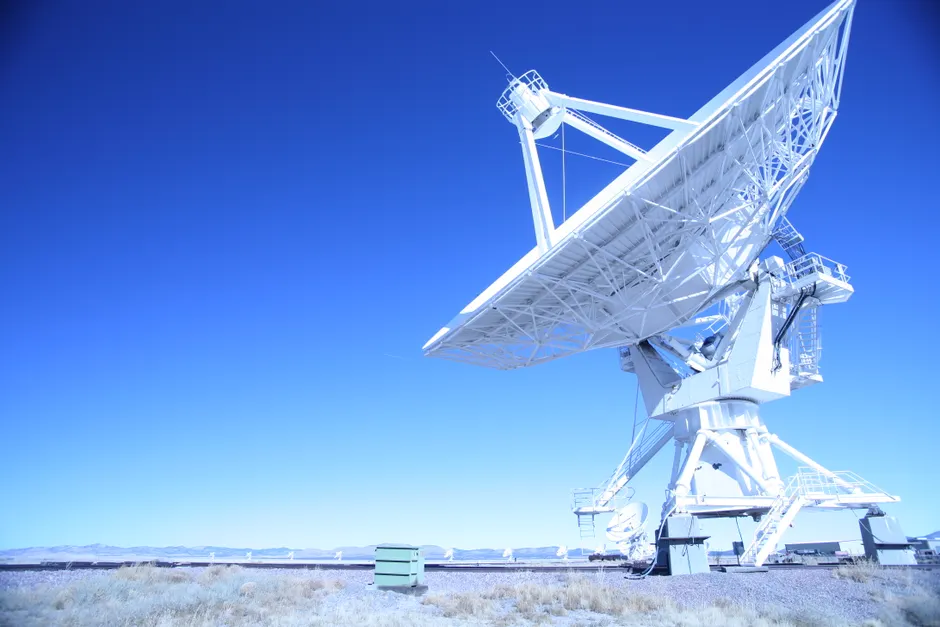
Iran's Islamic Revolutionary Guard Corps (IRGC) said it had targeted and destroyed a US early-warning radar in Bahrain, a system used to detect incoming missiles and aircraft. The IRGC said the strike was a response to a US airstrike on a communications tower in Sirik, a town overlooking the Strait of Hormuz, the narrow sea passage through which much of the Gulf's oil is shipped.
US Central Command, the American military command responsible for the Middle East, denied that the radar had been destroyed. It said US forces had intercepted two Iranian drones headed for Bahrain, a small Gulf state that hosts US naval forces. The incident was described as Iran's first direct attack on US military installations in months, according to The Guardian.
The IRGC warned that if violations were repeated, its aerospace force was on full alert and prepared to confront the enemy without restraint.
US President Donald Trump said he would attack Iran only if necessary. He claimed that Gulf countries, including Saudi Arabia, had urged him to hold off on planned large-scale military strikes. Trump also said he had asked Vice-President JD Vance to stop pursuing a new negotiated deal with Iran.
Separately, Iran's Assembly of Experts, a state body, called for a review of Iran's defence doctrine and of its membership of the nuclear non-proliferation treaty, the international agreement aimed at limiting the spread of nuclear weapons.
In Britain, a YouGov poll commissioned by the Council for Arab-British Understanding found that 65% of the public oppose the US resuming war with Iran, while 14% support it. The same poll found 54% opposed to UK bases being used by the US to mount attacks on Iran, with 29% in favour. It also found 45% backed additional UK sanctions against Iran, the economic penalties that restrict trade and finance, and 22% were opposed.