US Marines Board a Ship in the Gulf of Oman as Blockade Enforcement and Airstrikes Intensify

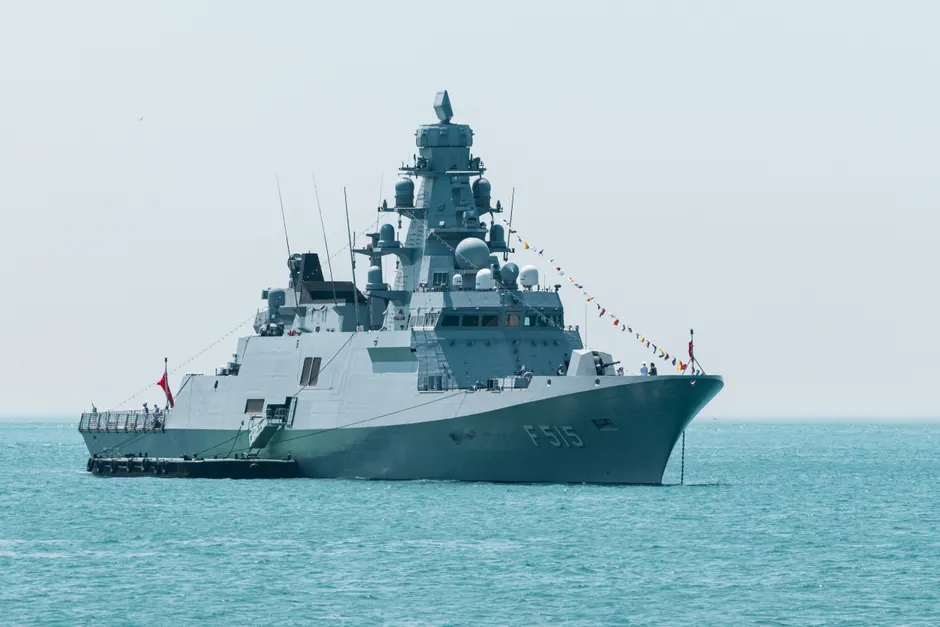
US Marines from the 11th Marine Expeditionary Unit boarded a commercial oil tanker, the M/T Wen Yao, in the Gulf of Oman on July 16, 2026. US Central Command, which oversees American military operations in the Middle East, described the action as a "verification boarding" — meaning Marines physically inspected the vessel to confirm it was complying with the US naval blockade. Centcom announced the operation in a post on X. This was the first time Marines had boarded a ship under the blockade's enforcement rules since May 20, 2026, when an Iranian-flagged tanker, the M/T Celestial Sea, was boarded and released in the same waters.
The blockade took effect at 8pm GMT on Tuesday, July 14, 2026. Since then, Centcom says it has "redirected" three commercial vessels that tried to pass through. On July 15, a US aircraft fired on and disabled an empty oil tanker that attempted to break the blockade. A naval blockade is a military operation that prevents ships from entering or leaving a specific area — in this case, a stretch of the Gulf of Oman and the nearby Strait of Hormuz, a narrow channel through which roughly a fifth of the world's oil supply normally flows.
These enforcement actions are unfolding against a maritime environment that Lloyd's List Intelligence, a shipping data service, reports saw week-to-week cargo shipments through the Strait of Hormuz drop by almost a quarter at the beginning of July. Some oil shippers are sailing through the strait with AIS location devices turned off — AIS, or Automatic Identification System, is a tracking tool that broadcasts a ship's position to other vessels and authorities. When it is switched off, ships are harder to monitor, which raises safety and security concerns. Many vessels are simply staying put.
The disruption echoes a turbulent spring. Around 1,600 vessels and 20,000 seafarers were stuck in the Gulf as of April 13, 2026, and at least three tankers were damaged off the Gulf coast with one seafarer killed around March 1 in Iranian retaliation for US and Israeli strikes on Iran. Oil shipments through Hormuz had briefly recovered after Washington and Tehran signed a ceasefire deal — a formal agreement to stop fighting — in June 2026, before the current escalation erased those gains.
The boarding of the Wen Yao coincided with a major expansion of the US airstrike campaign. Strikes on July 16 hit targets around Tehran and Semnan province, home to Iran's ballistic missile production and space program. US aircraft also struck the provinces of Hamedan, Hormozgan, Khuzestan, Lorestan, Markazi, and Sistan and Balochistan, as well as Qeshm Island. The campaign has now run for six consecutive nights as of July 16. A July 12 strike wave hit more than 80 military targets across Iran. US forces brought down a port tower and multiple bridges, including at least seven killed in strikes on bridges in the southern port city of Bandar Khamir. In Bandar Abbas, a strike on the Allah-Akbar Hill residential neighborhood wounded seven people; an attack on the city's railway junction station wounded two; and two bridges west of Bandar Abbas were struck, killing three and wounding nine.
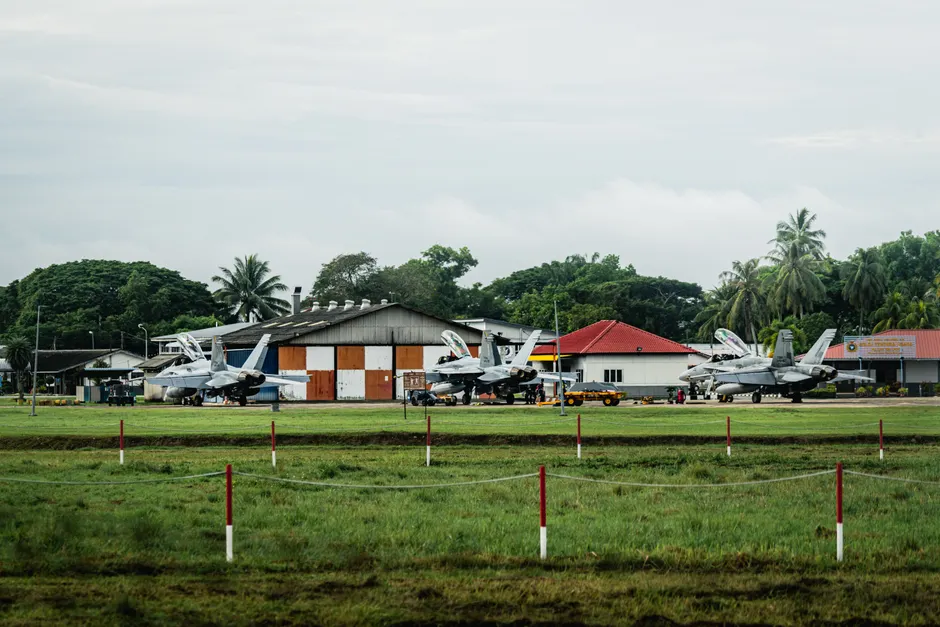
Iran's response has extended beyond its own territory. Tehran fired on Bahrain, Qatar, and Kuwait in retaliation for the expanded airstrikes. Kuwait faced missile and drone attacks on both July 16 and early July 17. AFP journalists in Doha reported hearing several blasts early on July 17, and officials in the Qatari capital warned the security threat level was "elevated." Bahrain's interior ministry urged citizens to take shelter on July 17. Iranian state media said Iran's army was targeting US helicopters and planes at an airbase in Bahrain.
The conflict is pulling in additional actors across the region. According to Reuters, Iran asked the Houthis in Yemen — an armed group that controls parts of the country and has previously attacked shipping in the Red Sea — to be prepared to close the oil route through the Red Sea if the US targets Iranian energy infrastructure. Saudi Arabia struck Sana'a airport, prompting Houthi leader Abdul Malik al-Houthi to threaten to target all Saudi oil and critical facilities if Riyadh intervened in Yemen. Houthi missile strikes on Saudi Arabia followed.
The broader context here is that the opening of a Saudi-Houthi front, combined with Iran's fires on three Gulf states and the continued enforcement of the naval blockade, raises the prospect of a multi-theatre confrontation — meaning fighting could spread across several distinct areas at once — encompassing the Strait of Hormuz, the Red Sea, and the Persian Gulf coast simultaneously.
In a primetime address on July 16, Donald Trump claimed the US was "winning big in Iran." The address came as the strike campaign widened to civilian-adjacent infrastructure, including bridges, a port tower, a railway junction, and a residential neighborhood. The expanding target set and the mounting casualties on both sides of the Gulf suggest the June ceasefire framework has been fully overtaken by a sustained campaign with no stated de-escalation timeline. For maritime operators, the verification boarding of the M/T Wen Yao signals that enforcement of the blockade now includes direct physical inspection of vessels that may not be complying — not just the redirection or disabling actions seen earlier in the week.