Leonid Meteor Shower Expected to Peak Overnight on November 17

The Leonid meteor shower is expected to peak on the night of Tuesday, November 17, into the early hours of November 18. The International Meteor Organization says the peak is due around 23:45 GMT, according to Al Jazeera.
A meteor shower is a burst of small space debris burning up in Earth's atmosphere, which appears as streaks of light in the sky. The Leonids come from Comet Tempel-Tuttle, which leaves a trail of dust in its orbit that Earth passes through each November. The shower takes its name from the constellation Leo, the point in the sky from which the meteors seem to radiate. The meteors travel at about 71 km (44 miles) per second, Al Jazeera reports.
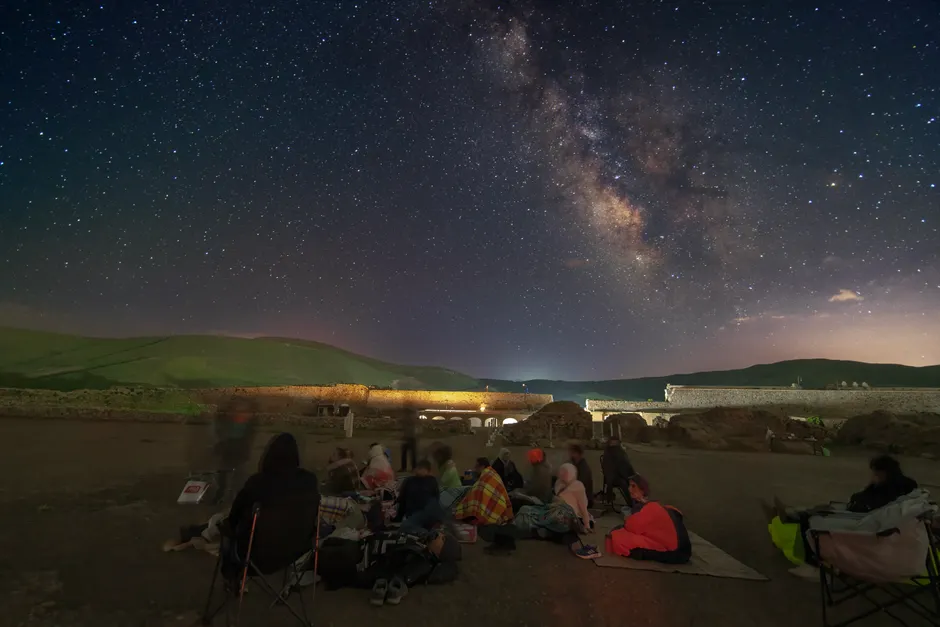
Under clear, dark skies, the International Meteor Organization expects up to about 15 meteors an hour at the peak. Leo rises in the east around midnight, and the best viewing window runs from midnight until dawn.
NASA advises watching from a place away from city and street lights, and says it takes the eyes less than 30 minutes in the dark to adapt. It suggests lying flat on the back with the feet pointing east. According to NASA, meteors look longer when viewed away from the point they appear to come from, and shorter when viewers look directly toward it. The Leonids are bright and colorful, and some streak close to the horizon with long tails, NASA says.
The shower's activity window is longer than its peak. The International Meteor Organization lists the Leonids as active from November 6 to 30.
Occasionally the Leonids produce a much heavier display. NASA defines a meteor storm as at least 1,000 meteors per hour. It describes a 1966 event in which viewers saw thousands of meteors per minute over a 15-minute period, appearing to fall like rain. According to Al Jazeera, the most recent Leonid storms came in 1999, 2001 and 2002.
The comet itself, Tempel-Tuttle, passes close to the sun about every 33 years. Its next close approach is expected in 2031.