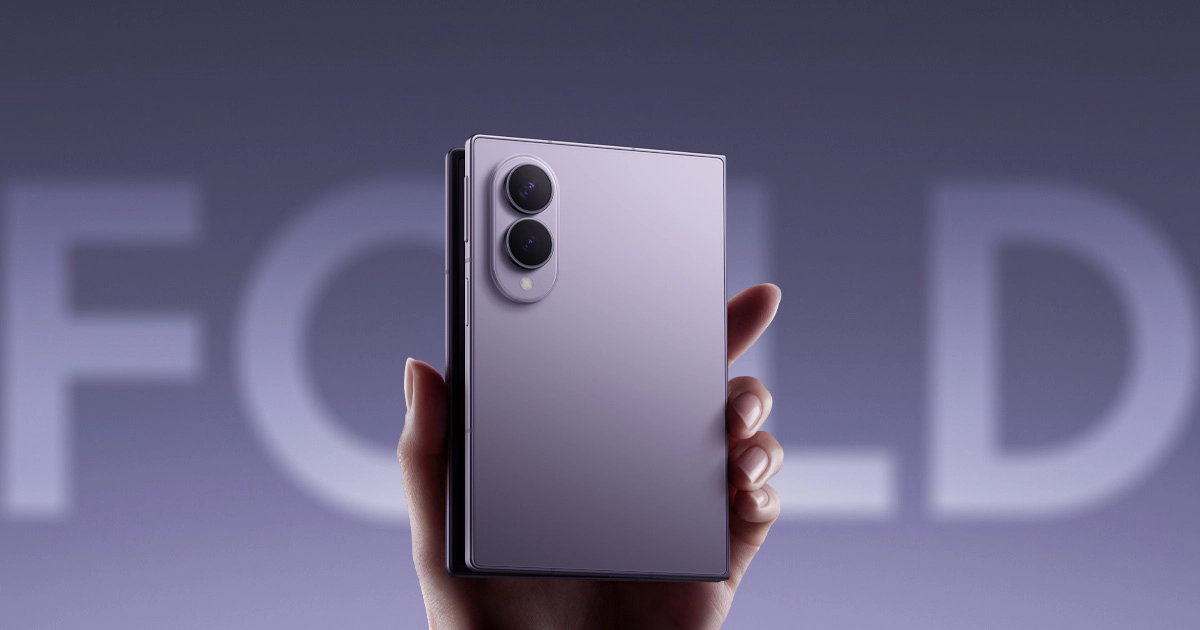
Xiaomi 18 Pro series launches in Europe with a rear display, but not in the US

Xiaomi has launched the Xiaomi 18 Pro and Xiaomi 18 Pro Max, two smartphones built around a secondary display on the rear panel. The series is launching in the UK and other parts of Western Europe. It will not come to the US.
The Xiaomi 18 Pro Max is priced at £1,400 (roughly $1,850), and the Xiaomi 18 Pro at £1,199 (around $1,580). Engadget reported both prices on the day of launch.
The two models differ mainly in size and power. The Pro Max has a 6.9-inch main display and a 2.9-inch rear display. The Pro has a 6.40-inch main screen and a 2.7-inch rear display. The Pro Max runs a Snapdragon 8 Elite Extreme Gen 6 chip with up to 16GB of RAM, while the Pro uses a Snapdragon 8 Elite Gen 6 with 12GB of RAM. Battery capacity is 7,050mAh with 100W fast charging on the Pro Max, and 6,000mAh with 90W maximum charging on the Pro.
The rear panel is the feature Xiaomi is emphasising. Its back display peaks at 4,000 nits, a measure of brightness, and supports refresh rates up to 120Hz, meaning the image can update 120 times per second. The rear display and the camera array share a single cover of Corning Gorilla Glass Victus. Both models come in Velvet Red, Black, White and Cosmic Blue.
Functionally, the rear screen works as a viewfinder for the primary cameras, so a photographer can frame a shot on the back of the phone. It switches automatically to the ultra-wide camera when it detects three or more people in the frame. Xiaomi said Gemini Live can run on the rear display. Spotify, YouTube Music and Google Maps are also supported there, putting glanceable media and navigation controls on the back of the handset.
The most unusual function is a GenAI mini-app builder. Users describe a lightweight app or function, and the display uses generative AI to create it. A separate pin-to-back function lets users attach text and images to the rear screen for quick reference. The Engadget headline calls these "vibe-coded" apps, a term for generating software from natural-language prompts rather than writing code by hand.
In my view, the rear display is a more interesting design question than the silicon upgrade. A second, always-visible surface changes which apps earn screen time, and it gives developers a new place to compete for attention. Whether the mini-app builder becomes a routine tool or a novelty will depend on how owners use it once the phones reach shops, not on the launch demonstrations.
The broader context here is a European-only launch. Buyers in the UK and Western Europe will be the first to test whether a rear screen used for camera framing, music, maps and AI-generated mini apps earns a place in daily use. The hardware is a useful test of that idea.