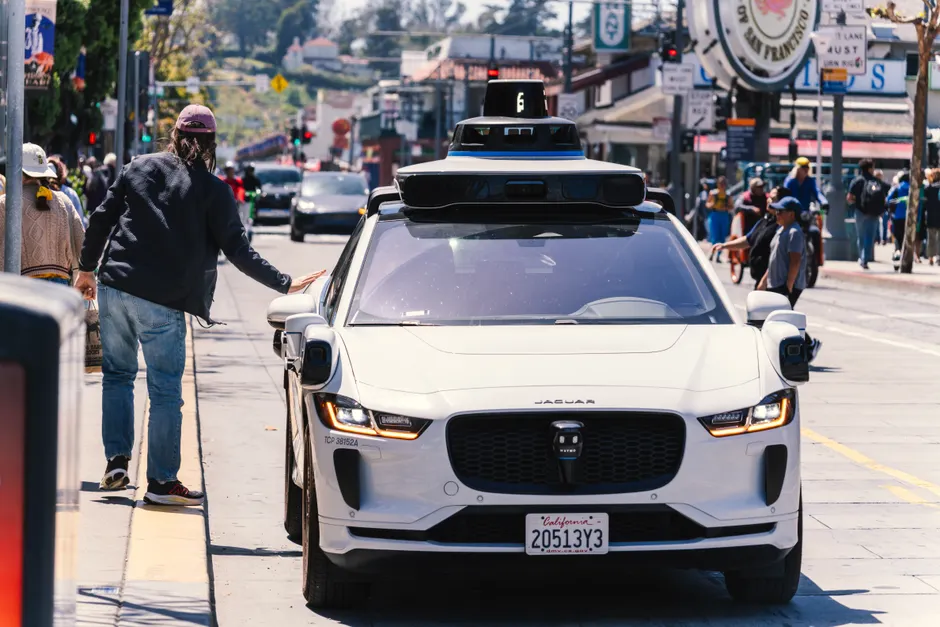
Waymo Pulls Its Robotaxis Off Freeways Everywhere After California DMV Order

Waymo has barred its robotaxis from freeways in every market it serves, including markets outside California. The move follows a California Department of Motor Vehicles order issued on November 11, 2026, which imposed operational restrictions banning driverless freeway operation. The restrictions were not made public until Tuesday, November 17.
According to the TechCrunch report, the DMV determined that Waymo's driverless freeway operations pose an imminent hazard to public safety. The agency cited two incidents. In the first, three Waymo autonomous vehicles entered an active construction closure on U.S. Route 101 near Burlingame. In the second, a separate incident involved California Highway Patrol vehicles on Highway 280 in San Francisco. The DMV also cited recurring incursions into active construction zones, which continued despite a prior restriction and corrective actions taken after similar incidents on May 18, 2026.
The DMV restrictions will stay in place until Waymo demonstrates effective corrective actions. The order sets no fixed end date. It ties resumption to the company's remediation and to the agency's assessment of that remediation.
Waymo began offering freeway rides in late 2025 and currently runs commercial operations in 15 U.S. cities. Its ride-hailing service continues on surface streets, which the company says handle more than half a million trips each week. The freeway restriction removes one operating mode from a network that otherwise remains in service.
The construction-zone findings are the most technically specific part of the order. Temporary lane closures, cones, barrels and detours are among the hardest inputs for an autonomous driving stack, the software that perceives the road, plans a path and controls the vehicle. The lane geometry is ad hoc and often absent from the high-definition maps the vehicle relies on. A closure on a limited-access highway leaves a far smaller margin for error than one on a surface street, because speeds are higher and the vehicle has less time to reclassify the scene and yield. The DMV's reference to a prior restriction and corrective actions after May 18 indicates that the company had already been through one remediation cycle on this failure mode before the November incident.
The broader context here is regulatory. A state DMV licenses driverless operation in California, and it can also narrow that operation by domain, as this order does. A restriction scoped to freeways, rather than a full suspension, shows the regulator will act on one capability while leaving the rest of the deployment in place. For operators in other markets, the open question is whether the same failure mode would draw similar scrutiny. The freeway ban outside California is Waymo's own decision and sits alongside the state order rather than under it.
In my view, the most useful thing to watch is the form the corrective actions take. A software update to the perception or planning stack, a change to the operational design domain (the conditions under which the system may operate), and a change to how the vehicle detects and responds to temporary traffic control devices would each be a different kind of evidence. The DMV's standard is demonstrated effectiveness, which implies a record of field performance rather than a filing alone.
Taken as a whole, the case for the technology is still intact, though that reading is mine rather than the order's. Waymo has built a surface-street service large enough to run more than half a million trips a week across 15 cities. Freeway access would extend that reach and shorten trip times once it is validated. Whether the company can show the construction-zone failures are resolved will determine how quickly the capability returns in California, and it will set the terms for the next state that weighs a similar request.