Waymo Opens Its Purpose-Built Ojai Robotaxi Vans to All Riders in Three Cities

Waymo announced on August 19, 2026, that any rider can now hail its Ojai purpose-built robotaxi vans across Los Angeles, Phoenix, and San Francisco. The Google-owned brand disclosed the expansion in a post on X, opening a vehicle that had been restricted to limited pickups since early 2024 to its full rider base in the three cities where it already operates (Engadget).
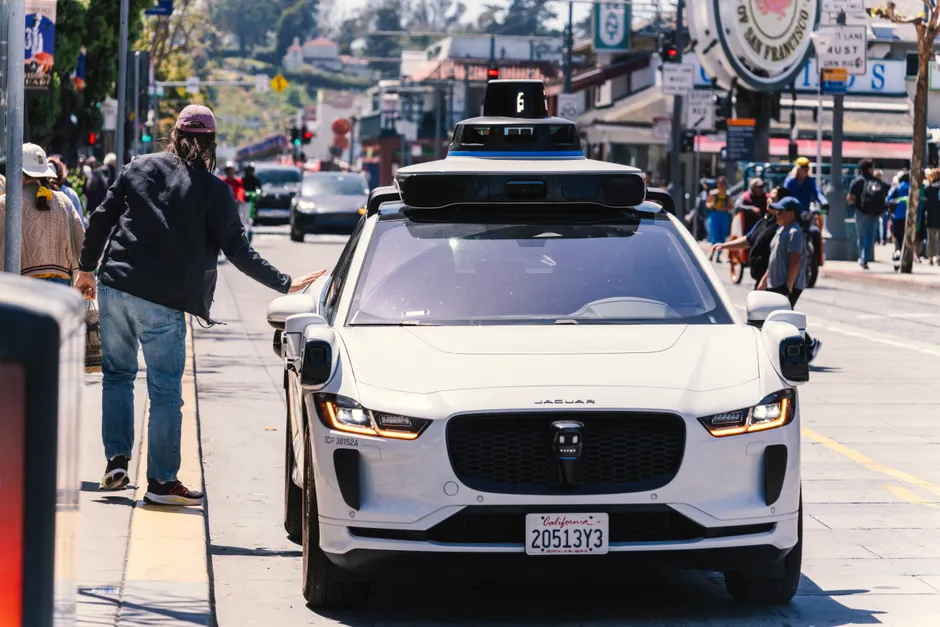
The Ojai is a driverless van built from the ground up for ride-hailing, rather than a conventional car modified to drive itself. Waymo highlighted its roomier interior and backseat entertainment features, positioning it as a passenger-experience upgrade over the retrofitted Jaguar I-Pace vehicles that make up the bulk of its fleet. The vans can carry up to four riders in any seat except the driver's seat (Waymo FAQ). When Waymo first began Ojai pickups in May 2026, it offered free rides to a small group of riders while collecting data on vehicle performance and passenger experience (Waymo Blog).
The Ojai expansion arrives alongside regulatory approval for broader geographic reach. Days before the announcement, Waymo was granted permission to bring driverless cars to roads in Sacramento and San Diego (Engadget). On August 14, the company won approval for a large expansion of its driverless service across Los Angeles and Bay Area regions (LA Times). Waymo currently operates a fully autonomous, publicly available ride-hailing service in Phoenix, San Francisco, Los Angeles, Miami, and additional markets (Waymo). Notably, the service is not yet available in Ojai, California, the city that gives the vehicle its name.
The freeway timeline provides useful context. Waymo introduced freeway rides as a route option in select cities in November, suspended highway service in May after some of its fleet drove into closed construction zones, and restored freeway access in July (Engadget). The construction-zone incident and subsequent recall show that edge cases, the unusual driving scenarios that automated systems still struggle with, remain a live operational challenge even as the service grows.
Waymo's safety data, drawn from more than 220 million fully autonomous miles through the end of March 2026, provides the statistical backdrop for these expansions. The Waymo Driver was involved in 94% fewer crashes causing serious or fatal injuries, 82% fewer airbag-deployment crashes, and 82% fewer crashes involving any reported injury compared to human drivers in the same areas over the same period. For vulnerable road users specifically, Waymo recorded 93% fewer injury-causing crashes involving pedestrians, 84% fewer involving cyclists, and 84% fewer involving motorcyclists than the human benchmark (Waymo Blog). Over the lifetime of its operations, the company estimates 47 fewer crashes causing serious or fatal injuries than would be expected had those miles been driven by humans.
Since its last safety analysis, Waymo has unified its San Francisco Bay Area service area and expanded into more complex environments including airport service. The company now drives more than 4 million miles every week. In Atlanta, across more than 5.4 million fully autonomous miles, the Waymo Driver was involved in 94% fewer airbag-deployment crashes and 86% fewer injury-involving crashes than the human benchmark (Waymo Blog).
The safety figures are self-reported, drawn from Waymo's own methodology and benchmarked against human-driver data the company selects. That is standard practice in this industry, but any reader evaluating the claims should weigh the source. The metrics are directionally consistent with independent NHTSA crash data on automated driving systems, though the specific percentage reductions depend heavily on how comparison geographies and time periods are defined.
What is changing in practical terms is the pace. Waymo is simultaneously opening a new vehicle platform to unrestricted riders, expanding its geographic footprint through fresh regulatory approvals in two additional California cities plus denser coverage in its existing markets, and doing so on the heels of a safety record that now covers a mileage base no competitor in the robotaxi space approaches. The freeway suspension in May and restoration in July fit a pattern familiar from earlier phases of autonomous deployment: identify a failure mode, pull back, fix it, and resume with constraints loosened. The difference now is that the fleet is logging over 4 million miles weekly, which compresses the data feedback loop and speeds up both the discovery and the resolution of edge cases.
For anyone watching this space closely, the Ojai rollout is less about the vehicle itself than about what it signals operationally. A purpose-built robotaxi, free from the cabin limitations of a donor vehicle, gives Waymo a clean slate for passenger experience design and interior sensor layout. Opening it to all riders rather than a curated subset means the data flowing back now reflects real-world demand patterns, not a controlled sample. That transition from gated pilot to open availability is the step that turns a demonstration into a product.