World Court Weighs Genocide Case Against Myanmar Over Rohingya
The International Court of Justice is ruling on whether Myanmar committed genocide against the Rohingya Muslim minority. If the court finds Myanmar guilty, it would be the first state, rather than an individual, held to account for violating the 1948 Genocide Convention, the treaty that prohibits genocide.
The court sits in The Hague, in the Netherlands, and is the top judicial body of the United Nations. The U.N. Charter established it in 1945 to settle legal disputes between member states. It typically has 15 judges, who are elected by the U.N. General Assembly and Security Council. Its cases are brought by states against other states, not by prosecutors against individuals.
The Gambia brought the genocide case against Myanmar in 2019. Eleven other countries have formally lent support to The Gambia's case. The United States has deemed the campaign of violence by Myanmar's security forces against the Rohingya to be genocide.
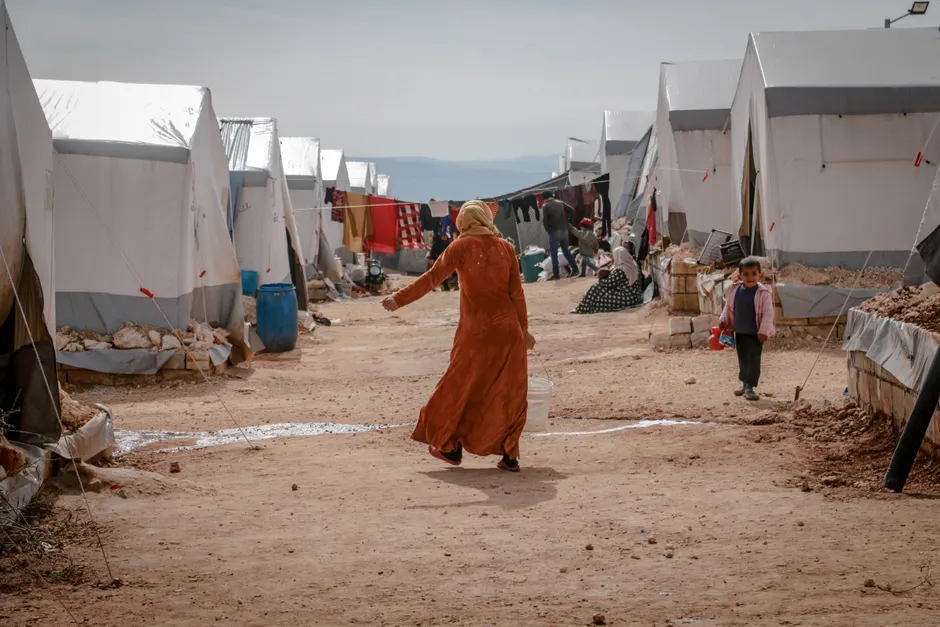
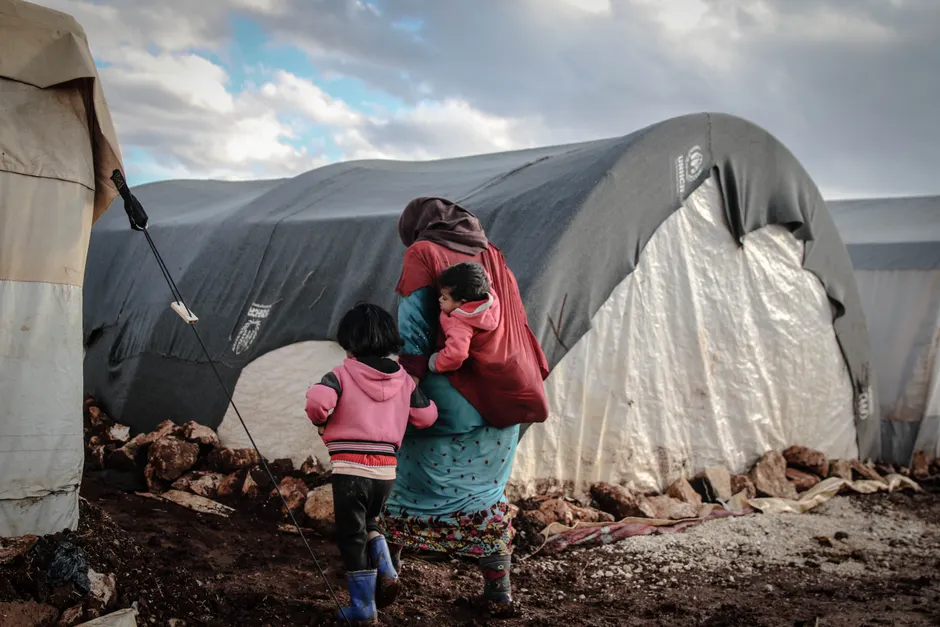
The case centres on events of 2017. According to U.N. estimates, Myanmar's security forces and ethnic Rakhine mobs took part in "clearance operations" that burned about 400 Rohingya villages. The same estimates say at least 10,000 people were killed. Around 1.2 million Rohingya now live in crowded refugee camps in Bangladesh.
In the ruling, Judge Iwasawa said the evidence, taken together, supported a "reasonable inference" that Myanmar's security forces acted with genocidal intent.
Myanmar has contested the accusation. In 2019, Aung San Suu Kyi, then the country's de facto civilian leader, defended Myanmar against the charge of genocide when she appeared before the court.