Apple's HomePod mini 2 Brings an S10 Chip and Room-Aware Sound, but Siri AI Is Not Yet Running
Apple's HomePod mini 2 is priced at $149. Engadget published its review of the speaker on 2026-11-19, and the device was shown at Apple's Welcome Home event alongside HomeView and an updated Apple TV 4K.
The most consequential change is under the mesh. The HomePod mini 2 uses Apple's S10 chip, the same silicon found in the Apple Watch Series 10, replacing the S5 used in the earlier model. According to Engadget, the S10 performs real-time evaluation of the music being played, using it to optimize dynamic range (the gap between the quietest and loudest passages), loudness and acoustic performance. The same chip helps each speaker determine its position in a room and adjust lag (timing offsets between units) and audio levels through Apple TV.
That positional awareness is what enables the multi-speaker configurations. Four HomePod mini 2 units can be combined into a surround sound setup when connected to the fourth-generation Apple TV 4K. The speakers can also serve as the persistent default output for a Mac, carrying all computer audio, including FaceTime calls and games.
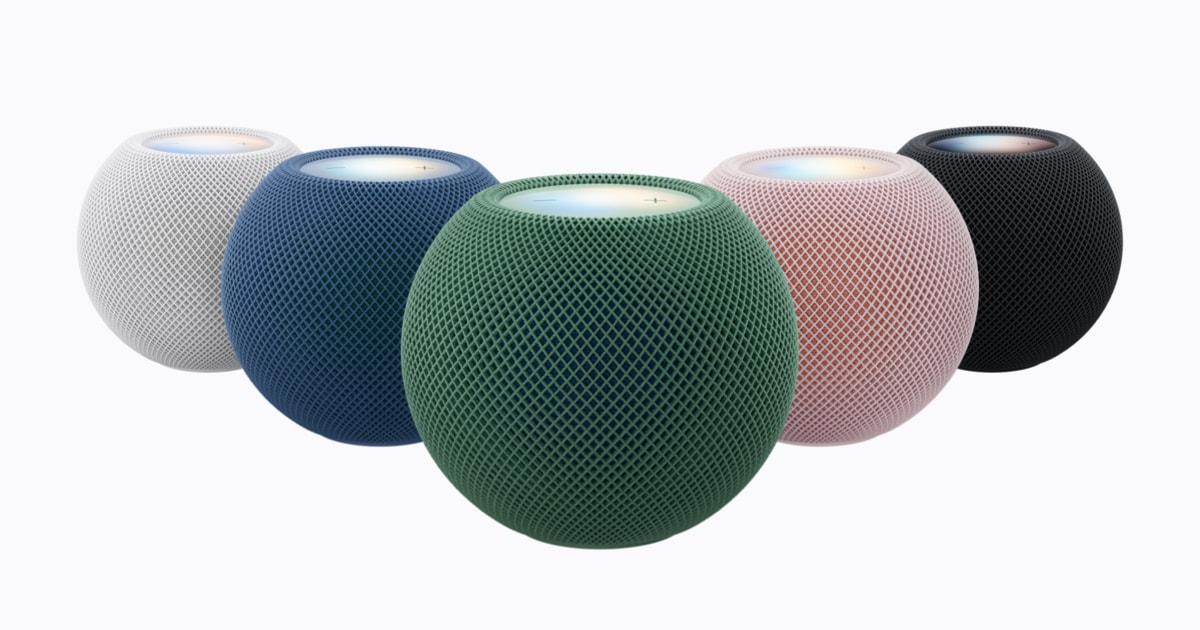
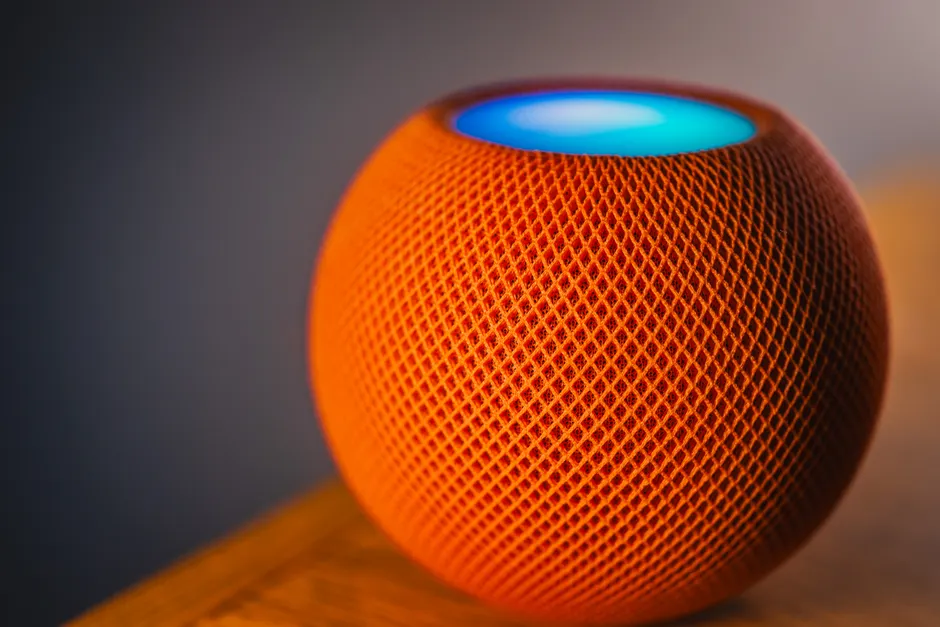
The hardware comes in pink, green, blue, white and midnight. A feature called Sound Glow lights the top of the unit in hues drawn from the artwork of the album being played, with the lights reacting in real time to bass and treble.
The assistant story is more complicated. The HomePod mini 2 is designed to be ready for Siri AI, the upgraded virtual assistant, and to offer personalized context for queries. It does not yet support Siri AI. Apple says the S10 was necessary for the HomePod mini 2 to work with Siri AI, which means the chip is a prerequisite for a feature the speaker cannot currently run.
The broader context here is a familiar pattern in consumer silicon. Vendors increasingly ship hardware with headroom for software that arrives later, and the buyer takes on the gap between the two. At launch, the verifiable value of the HomePod mini 2 sits in its audio processing, room-aware multi-unit behavior and Mac integration. The assistant upgrade is a promise that depends on a software rollout that has yet to arrive.
In my view, the more interesting engineering question is the one the S10 makes practical. A speaker that measures its own placement and analyzes the signal it is playing moves the tuning work from the user to the device. Compared with the fixed EQ profiles of earlier smart speakers, that is a meaningful shift in where the intelligence lives. Whether the personalized context Apple describes for Siri AI extends that idea from acoustics into conversation will determine how much of that capability ends up being used day to day.
For professionals evaluating the product, the practical checklist is short. The $149 price, the S10 silicon, the four-unit surround support with Apple TV 4K, and the Mac default-speaker behavior can all be assessed now. The Siri AI capability should be treated as a roadmap item until it ships. Buyers who expect the assistant upgrade to work out of the box should wait for software support before counting it.
What the HomePod mini 2 does enable is a home speaker that adapts to its room and its content without manual setup. That is a modest, concrete improvement, and it is one the rest of the category will be measured against.