Xiaomi's 18 Pro Puts a Screen on the Back, but the Selfie Is Its Main Use
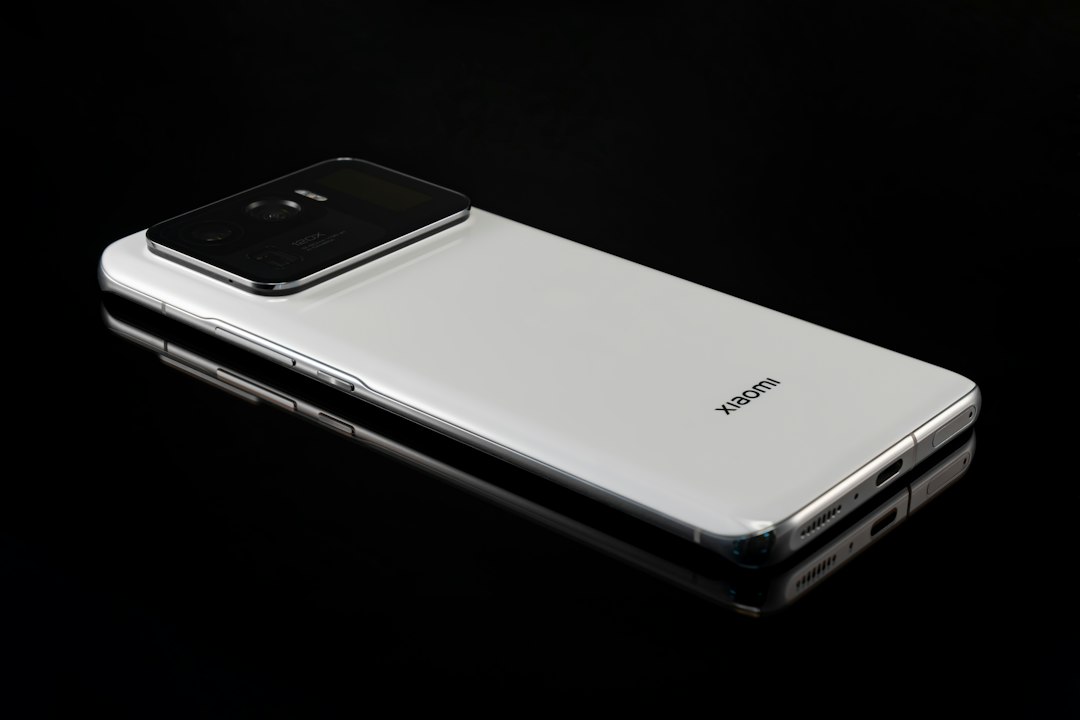
Xiaomi's 18 Pro and 18 Pro Max both carry a rear display that wraps around the two main rear camera lenses, according to a review published by The Verge on 21 November 2026. The reviewer found that the screen's single obvious use is taking selfies, and that it is not very useful otherwise.
The rear panels measure 2.7 or 2.9 inches, depending on the model. Xiaomi tried a rear screen before, on the 2021 Mi 11 Ultra. Its 17 Pro phones also had a rear second screen, but they were not released outside China, so the 18 series is the next generation of the idea.
The two phones differ in several other respects. The 18 Pro has a 6.4-inch display and a 6,000mAh battery. The 18 Pro Max has a 6.9-inch display and a 7,050mAh battery, and it supports 100W wired charging, 10W faster than the 18 Pro. Both use Qualcomm's Snapdragon 8 Elite Gen 6, but only the Pro Max receives the Extreme variant of that chip. The Pro Max also uses a LOFIC (lateral overflow integration capacitor) main camera sensor, which gives it slightly better dynamic range, meaning the gap between the darkest and brightest tones it can capture, than the 18 Pro.
The 18 Pro is priced at £1,199, around $1,570, and the 18 Pro Max at £1,399, around $1,830. The Pro Max therefore costs £200 more. That gap covers display size, battery capacity, charging speed, chip variant and main sensor design.
In my view, the position of the rear display tells you more than its size does. A screen on the back, beside lenses that face the subject, has an obvious use in self-portraits, and the reviewer's finding is that this is effectively the whole case for it. Any secondary display competes for board space, power and design budget, so a rear panel has to justify itself through uses that last beyond the first few days. The 18 series has not yet made that argument.
The broader context here is that Xiaomi has returned to the concept several times, from the Mi 11 Ultra in 2021 to the 17 Pro generation, without the rear screen becoming a broadly available feature. The difficulty appears to be less about whether the hardware can be built and more about what a second display on the back is for once the selfie case is exhausted.
The parts of the package that stand apart from the rear screen have clearer practical value. The LOFIC sensor helps preserve detail in high-contrast scenes, the 7,050mAh battery gives the Pro Max more capacity than its smaller sibling, and 100W wired charging shortens the time spent tethered to a wall socket. None of these depends on the rear display proving itself. For buyers weighing a £200 difference, the practical questions are whether those hardware gains justify the larger model, and whether the rear screen becomes a habit or stays a novelty.


