Leaked CAD files point to a redesigned camera plateau on the iPhone 18e
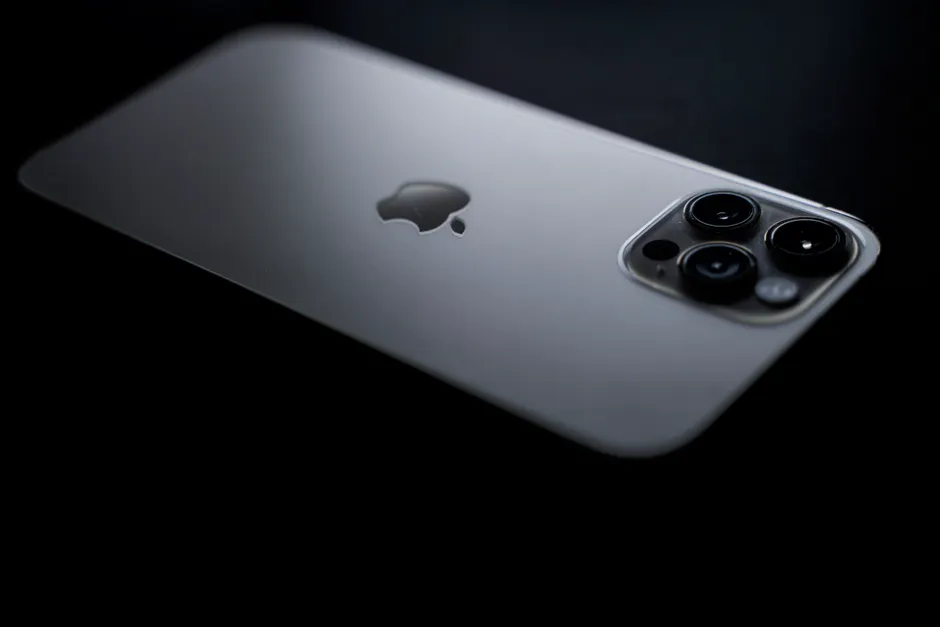
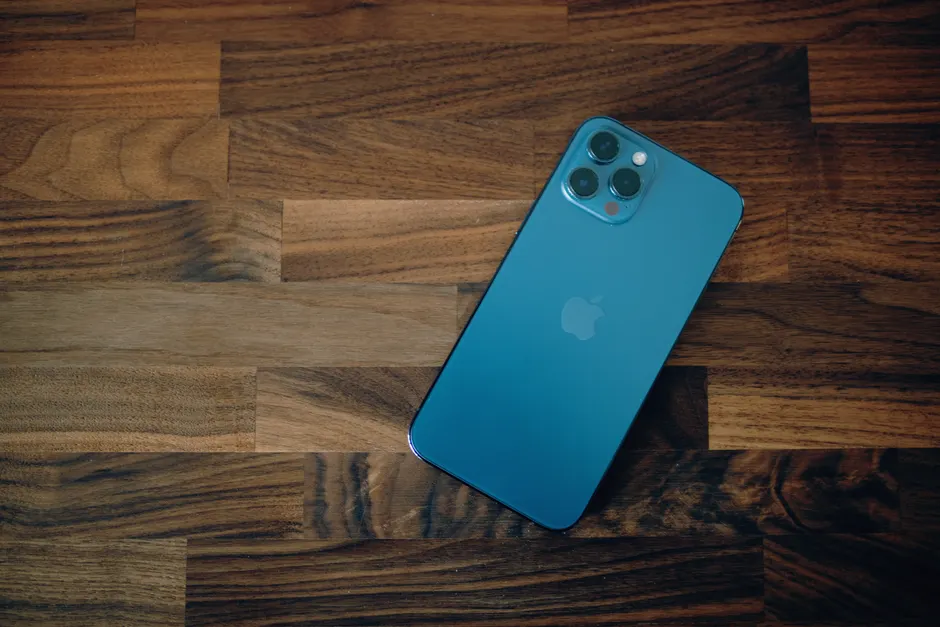
Engadget reported on 23 November 2026 that it had viewed CAD (computer-aided design) images showing the iPhone 18e with a redesigned rear camera plateau, a raised housing similar in form to the one on the Pro models. Engadget attributed the images to a source familiar with Apple's supply chain, the network of companies that manufacture and assemble its parts. That source had previously shared accurate tips on the iPhone 17 and iPhone 18 Pro colors.
According to the same report, the plateau measures about 28 mm by 35 mm. It houses the single rear camera, the LED flash and the rear microphone. The current iPhone 17e has no camera bump at all. Its lens protrudes slightly, and the microphone and LED flash sit directly in the rear glass.
Of the three devices whose files were described, the iPhone 18e is the only one that would carry the new plateau. The base iPhone 18 keeps the same overall design, but its camera module thickness rises from 3.45 mm to 3.8 mm. The iPhone Air 2 is reported to gain a second rear camera, with two lenses aligned horizontally, which Engadget said the CAD images corroborate. The Air 2 would remain 5.6 mm thick even as its camera module grows from 3.45 mm to 3.8 mm.
The iPhone 18 and iPhone Air 2 would keep the Dynamic Island used on current models, rather than the smaller cutout on the iPhone 18 Pro. Both are expected to launch alongside the iPhone 18e next spring.
The broader context here is mostly a matter of geometry. A 0.35 mm increase in module thickness is small in absolute terms, but on a chassis 5.6 mm deep, the module accounts for a noticeable share of the device's profile. That is why module height is the figure that matters for the Air 2, even though the chassis itself is reported to stay the same. Engineers working on sensor stacks, optical packaging and thermal paths will read the 3.8 mm figure as a hard limit to design around, not as a cosmetic detail.
For the accessory ecosystem, the 28 mm by 35 mm footprint is the figure to watch. Case makers, mount manufacturers and lens protector producers will need the exact plateau outline before the devices reach retail. A plateau that differs on the 18e from its siblings also means that a case designed for one model may not fit another.
In my view, the most interesting question is why the same camera layout would appear on one model and not the others. The reported split puts the new plateau on the lower-cost 18e, while the base iPhone 18 keeps its existing design and the Air 2 adds a dual-lens arrangement of its own. The leak does not explain that choice, and it is worth reading as a product-positioning signal rather than a technical one. Whatever the reason, the reported design gives the 18e a visibly different silhouette from the 17e it replaces, which is the most concrete change in the leak.