Honor Magic 9 Pro Max Brings Arri Colour to a Phone, Priced at RM 5,999 in Malaysia
Honor has launched the Magic 9 Pro Max in Malaysia at RM 5,999 for the 12GB RAM and 512GB storage configuration. The phone carries an imaging stack co-developed with cinema camera maker Arri. According to Engadget, published on 24 November 2026, it is the first Honor flagship to carry the Pro Max name.
The handset runs a Snapdragon 8 Elite Extreme Gen 6 system-on-chip. It is offered with 12GB or 16GB of RAM, and with 256GB, 512GB or 1TB of storage. The display is a 6.8-inch LTPO OLED measuring 2,868 x 1,320, with a 1-120Hz refresh range. LTPO panels can lower their refresh rate to save power. Power comes from an 8,000mAh battery that supports 100W wired and 80W wireless charging.
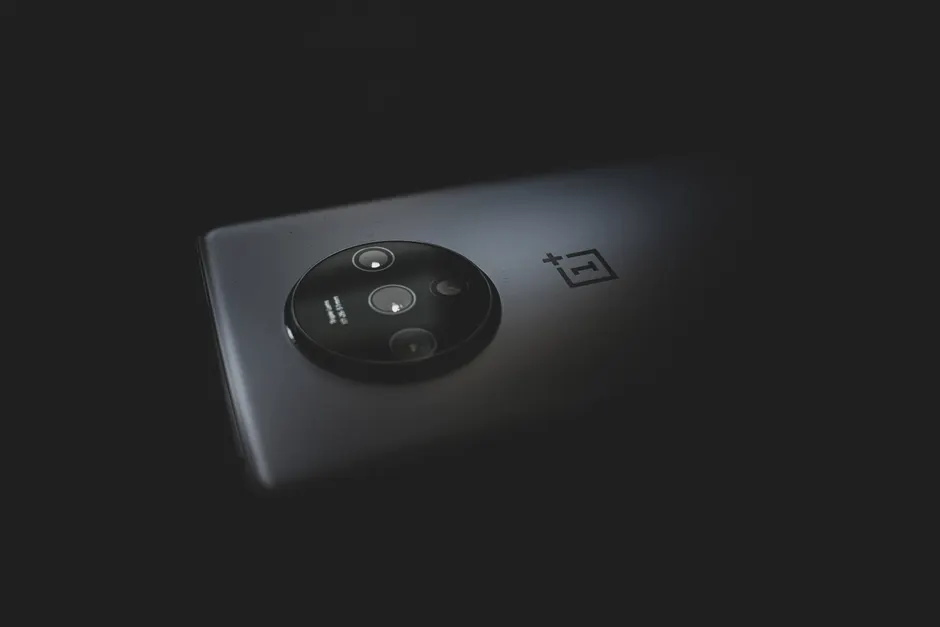
The rear array has three sensors. The primary is a 200-megapixel f/1.57 unit with optical image stabilisation (OIS), which uses physical lens movement to counter hand shake. The telephoto is a 200-megapixel f/2.6 lens, also with OIS. The ultra-wide is a 50-megapixel f/2.0 camera. Image processing is handled by Honor's H1 dedicated imaging processor.
The Arri collaboration centres on video. The Magic 9 Pro Max records in Arri LogC3, a log encoding that preserves highlight and shadow detail so footage can be graded later. It offers up to 87 Arri looks, which are preset colour treatments, and cinema aspect ratios such as 2.39:1.
The open technical question is how much of the Arri colour pipeline survives the move from a dedicated cinema camera to a 1/1.x-class phone sensor under real shooting conditions. That is a matter for hands-on testing rather than the spec sheet.
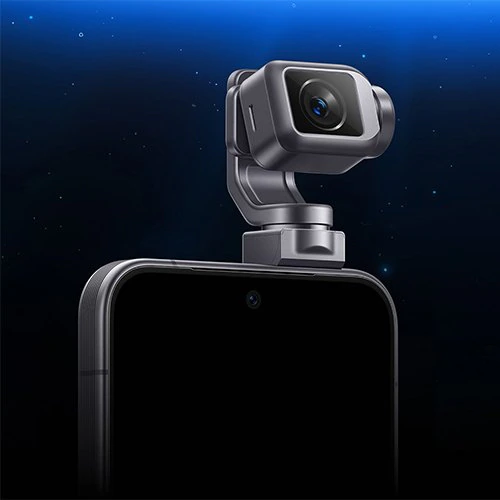
Honor has also launched a set of SmallRig accessories, including a camera cage and two teleconverters, the G200 and G500, which add 200mm and 500mm of focal length respectively. Teleconverters have long been a niche accessory on mirrorless and cinema rigs. Bringing them to a phone extends the device into rig-based workflows that previously required separate hardware.
In my view, the more telling detail is the combination itself. A flagship that pairs a log video format, a set of cinema looks and a mechanical accessory ecosystem is aimed at creators who already work with a kit, not only at buyers comparing megapixel counts. Whether that audience grows will depend on sustained recording performance, how the Arri looks behave across lighting conditions, and what the SmallRig add-ons cost to assemble into a working rig.
The broader context here is a long-running shift in which smartphone makers have moved past the camera module as a differentiator and into the software and colour science layered on top of it. Sensor specifications have converged across the segment, so partnerships with established imaging brands are one way to borrow credibility. Whether the Arri tie-up becomes a lasting differentiator will depend on independent reviewers testing the log workflow in the field.
The rest is a question of execution, and the phone's first months on the market will be the test.