Harbinger Secures More Than $100 Million in Financing, Including Debt From Palmer Luckey's Bank
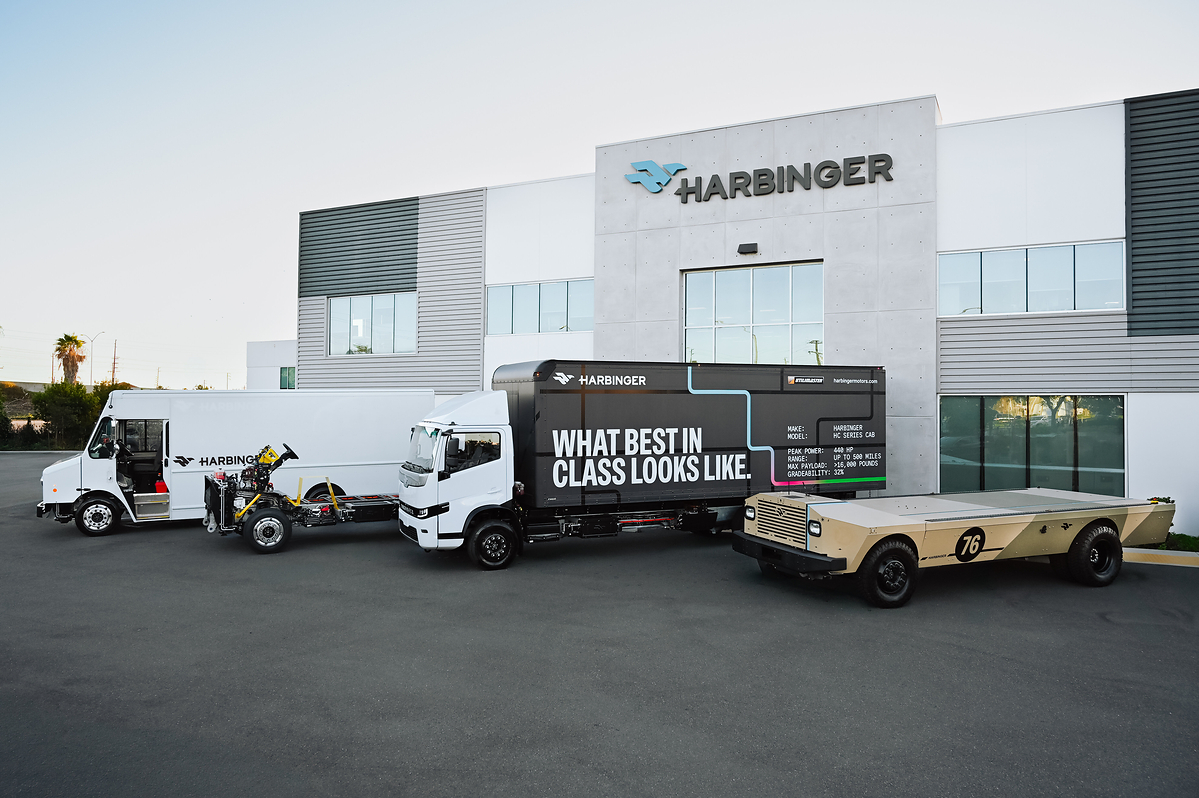
Electric truck startup Harbinger has secured more than $100 million in financing, according to TechCrunch, which reported the deal on 24 November 2026. The package includes a convertible note from Pinegrove Venture Partners and senior debt from Erebor Bank.
Erebor Bank is Palmer Luckey's bank. It launched in February 2026, and Harbinger now names it as its primary banking partner. The company tapped Erebor as a new capital source to diversify how it funds growth. That is a stated aim, not a completed rebalancing of its capital base.
Separately, Harbinger has raised $240 million in a Series D round co-led by Tiger Global, Capricorn's Technology Impact Fund, and Ridgeline. The reported figures for the financing and the Series D are distinct items.
On the commercial side, FedEx has ordered 2,000 trucks from Harbinger. An order of that size is a demand signal. It gives the maker something to plan production around and something to show lenders. It is a different thing from vehicles delivered and on the road.
In my view, the funding mix is the more instructive part of this announcement. A convertible note is a loan that can later convert into equity, and senior debt sits first in line for repayment. Each instrument carries a different claim on cash flow, a different dilution profile, and different covenants, the conditions a borrower must keep to avoid default. Naming one bank as primary banking partner concentrates the day-to-day relationship, even though the instruments are spread across several providers. For a capital-intensive hardware business, the debt layer often decides how quickly a manufacturer turns purchase orders into finished vehicles. Cells, vehicle inventory, and tooling must be paid for before the trucks are sold, and that gap can grow faster than revenue. The lender relationship is therefore a practical question as well as a financial one.
The broader context here is a sector in which electric commercial vehicle makers have had to finance production before revenue arrives, often by combining equity with asset-backed or project-style debt. A bank that is new to the market and lends alongside a founder's own network brings different terms and risks than a long-established syndicate, the group of banks that share a large loan. Readers who follow this space will want to watch the terms, the draw schedule, and whether the debt is tied to the FedEx order.
What this enables is fairly direct. A 2,000-vehicle order, backed by $240 million in new equity and more than $100 million in fresh financing, gives Harbinger room to expand production capacity and to fulfil the order on a timeline its lenders can underwrite. Whether the company turns that room into trucks delivered at scale is the question for the next few quarters.