Iran Threatens to Shut Down Regional Oil Flows as Conflict With the US Escalates
Iran's chief negotiator Mohammad Bagher Ghalibaf warned on Wednesday, July 22, 2026 that Iran would shut down regional oil flows and target infrastructure across the Middle East if US military attacks on Iranian territory continue. The conflict has now claimed 53 Iranian lives and 18 American service members.
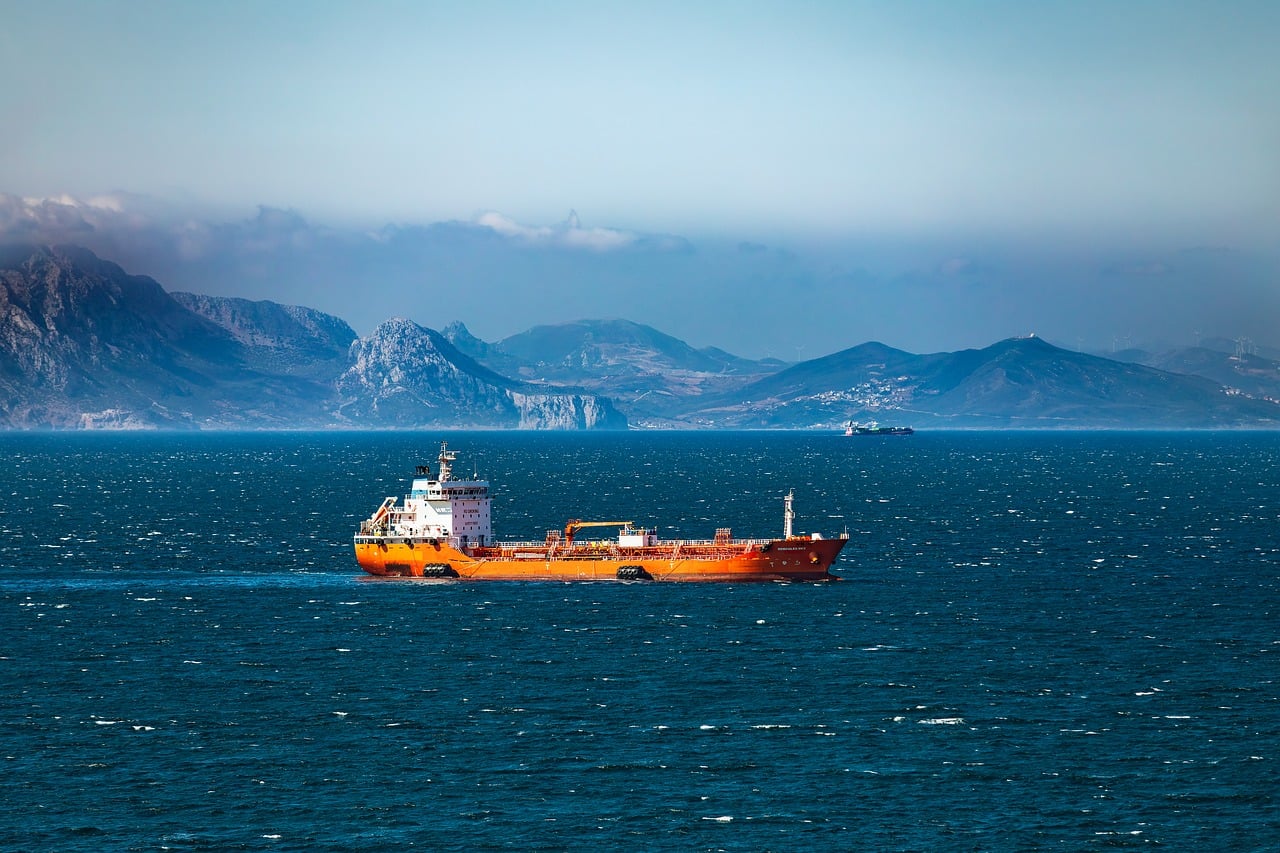
Ghalibaf, writing on X, stated: "In a region where we do not sell oil, no one will sell oil" and "If our security is not ensured, no infrastructure will be safe." He added that "the security of the strait is in the absence of American forces," referring to the Strait of Hormuz, a narrow shipping channel between Iran and Oman through which roughly a fifth of global oil supply transits (Al Jazeera; Al Jazeera Liveblog; DW).
The statement came after eleven consecutive nights of US strikes, some of which hit Iranian power plants and roads. Iran's Ministry of Health reported that US attacks since late June and early July have killed 53 people, including three children, and injured 590. The total US personnel killed during the war reached 18, according to the US military. Four of those deaths occurred in a single week: an Iranian attack on an air base in Jordan on July 17 killed three US service members, and a fourth soldier was killed in Erbil, Iraq on July 19 during a controlled detonation of an attack drone (Al Jazeera).
Iran has not confined its retaliation to US forces. It struck the US allies Bahrain, Kuwait, and Jordan, including hitting water and power plants in Kuwait. Iran's Foreign Minister Abbas Araghchi said Tehran would retaliate "an eye for an eye" against any future attacks. "Any aggression against Iran, including our infrastructure, will compel a powerful and decisive response," he stated (Al Jazeera).
Both Washington and Tehran have now abandoned the interim peace deal signed in June 2026, the same agreement whose viability was already in doubt. Press TV reported on May 29 that Trump's claims of a breakthrough with Iran amounted to unilateral political messaging, as Tehran maintained that no agreement had been reached (Press TV). On July 8, Press TV reported that Ghalibaf accused the US of committing major violations of the agreement (Press TV).
The Strait of Hormuz remains the conflict's most volatile flashpoint. Iran has insisted on maintaining control over the waterway. CENTCOM, the US military command responsible for the Middle East, stated the strait "remains open for transit" despite threats and attacks by Iran's Islamic Revolutionary Guard Corps, a powerful branch of Iran's armed forces. Beyond Hormuz, Iran-allied Houthis in Yemen declared a blockade of Saudi ports and threatened the Bab al-Mandeb Strait, another key shipping route connecting the Red Sea to the Gulf of Aden, prompting five tankers to change course in the Red Sea (Al Jazeera).
President Trump said on July 22 that the US would attack one power plant or bridge in Iran every time Iranian forces target a ship in the Strait of Hormuz, establishing a direct retaliatory formula that ties infrastructure strikes to maritime incidents (Al Jazeera).
Despite the intensifying exchange, diplomatic channels have not been formally closed. US Secretary of State Marco Rubio said on July 22 that the United States remains willing to negotiate over the Iran crisis (Reuters). US Defense Secretary Pete Hegseth disclosed the same day that the war has cost $37.5 billion (Al Jazeera Liveblog).
The conflict's origins trace back to at least early June. Press TV reported on June 3 that Iran launched retaliatory strikes against US military assets across the region after US attacks on an Iranian tanker and a telecom site (Press TV).
The broader context here is an escalation architecture in which both sides have bound their military actions to automatic trigger mechanisms. Trump's formula of one infrastructure strike per maritime incident, and Araghchi's "eye for an eye" pledge, create a ladder of retaliation with no obvious off-ramp. Think of it as two thermostats wired to each other: each side's response automatically raises the other side's setting, and neither has a manual override. The collapse of the June interim deal removes the last agreed framework for de-escalation, and Rubio's offer to negotiate stands against the reality of ongoing nightly strikes. With the Houthis extending the conflict to the Red Sea and Bab al-Mandeb, the war's geography now spans three critical chokepoints. Whether diplomatic engagement can resume before one of these triggers produces an irreversible escalation is the central question for the coming days.


