Madison Police Shoot and Kill a Man on Williamson Street, Echoing a 2015 Case
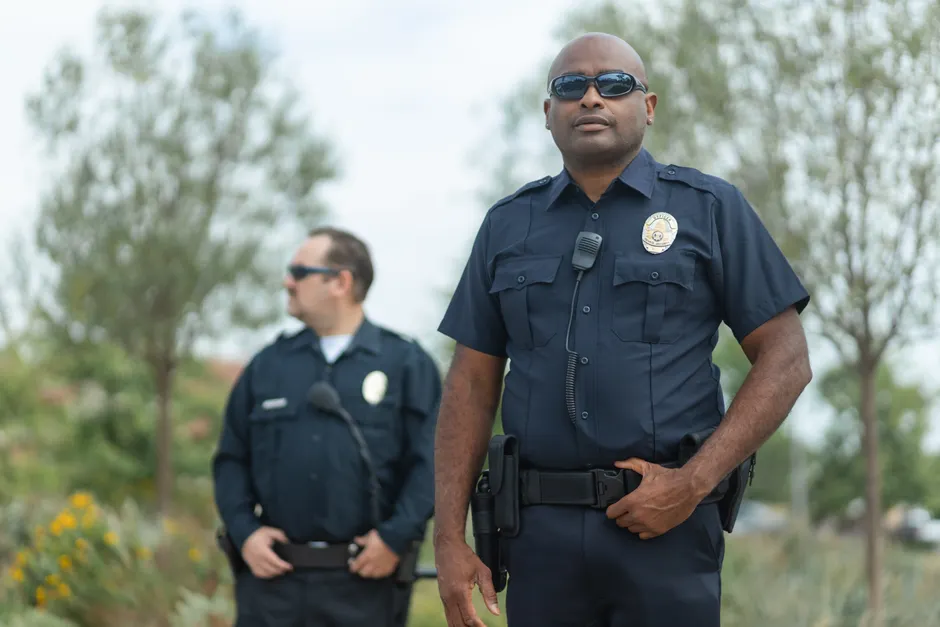
A Madison, Wisconsin police officer shot and killed a man on Wednesday, July 22, 2026, during an attempted arrest on the city's near east side, according to Police Chief John Patterson (Milwaukee Journal Sentinel). The shooting happened at or near the intersection of Williamson Street, less than two miles from the Wisconsin state capitol (WPR; The Guardian).
Patterson confirmed the shooting at a news conference held near Madison Fire Station 3, scheduled for approximately 3:45 p.m. that day (City of Madison). He said the dead man was in his 30s but did not release his name. Police also did not disclose the race of the officer who fired or the race of the man killed. Black community advocates in Madison, including Brandi Grayson of Urban Triage, said the man killed was Black (The Guardian).
Patterson said officers were responding to calls that someone was attempting to enter parked vehicles in the neighborhood. The suspect fled on a bike through nearby backyards before officers contacted him in the street. According to Patterson, the suspect pulled out a knife and injured an officer during a struggle. The officer who fired the lethal shots had been injured by the suspect with the knife, Patterson said. That officer was described as a veteran of the police force, but his name was not released. A second officer was also injured, though Patterson did not specify how; the other two officers involved were uninjured.
Cellphone footage captured the incident, showing three officers holding the man down before the officer fired three shots at close range. Sabrina Madison, the Madison city council president, called the videos of the shooting "both disturbing and painful" and said she expects a full, comprehensive, and transparent independent investigation.
The Wisconsin Department of Justice criminal investigation division will investigate the shooting, as is standard for officer-involved deaths in the state. A crowd formed near the scene on Wednesday, chanting "Arrest the cops!" (The Guardian).
The location carries a heavy local precedent. In 2015, a white Madison police officer shot and killed Tony Robinson, who was biracial, on the same street. The district attorney in that case did not file charges. That shooting prompted protests, scrutiny of the department's use-of-force policies, and sustained activism around racial disparities in policing in Wisconsin's capital city.
The Associated Press contributed to The Guardian's reporting.
The Williamson Street corridor where both the 2015 and 2026 shootings occurred sits at the center of Madison's near east side, a densely populated residential area that has seen demographic shifts and rising housing costs over the past two decades. The proximity of both incidents to the state capitol — under two miles — places them physically at the center of Wisconsin's governmental infrastructure, a fact that community organizers have historically leveraged to draw political attention to policing outcomes.
Patterson's decision to withhold the names of both the deceased and the officer who fired is consistent with standard practice during the early phase of an active investigation, particularly one that has been handed to an outside agency. The Wisconsin Department of Justice's role as the investigating body removes the Madison Police Department from determining the factual record of the shooting, though the department retains control over its internal personnel decisions regarding the officers involved.
The cellphone footage adds a layer of evidentiary complexity. The video shows three officers attempting to physically restrain the man before the shooting, which may bear directly on use-of-force continuum analysis — the framework police use to determine what level of force is appropriate given the threat an officer faces. Whether lethal force was deemed necessary given the number of officers present and the nature of the threat as described will likely be a central question. The footage could also shape public response in ways the 2015 Robinson case did not, as that incident predated the widespread availability of bystander video documenting such encounters in Madison.
Council President Madison's public statement, coming before the state investigation has produced findings, signals that elected officials are positioning themselves to demand process transparency rather than waiting for the investigative timeline to run its course. Grayson's identification of the deceased as Black, ahead of official confirmation, indicates that community networks are moving information through channels independent of police communications — a dynamic that has shaped public response to officer-involved shootings nationally since at least 2014.
The broader context here is that two unresolved questions now hang over the case. First, whether the state investigation will produce findings that satisfy the demands for transparency that Madison's political leadership is already articulating. Second, whether the footage will corroborate or complicate the sequence of events as Patterson described them at the news conference. The answers to both will likely determine whether this incident becomes a flashpoint or a managed review — and given the history of Williamson Street, the stakes for community trust are considerable.


