UNESCO Adds Six Sites in the West Bank and Lebanon to World Heritage and Danger Lists

On July 24, 2026, the UNESCO World Heritage Committee voted to add six locations in the occupied West Bank and southern Lebanon to both the World Heritage List and the List of World Heritage in Danger. The committee used an emergency procedure that allows simultaneous placement on both registers, a move reserved for sites facing immediate threat. The decision came during the 48th session of the committee, meeting in Busan, South Korea.
The listed sites are the archaeological site of Sebastia, in the West Bank, and five castles in Lebanon's Mount Amel region. The ancient Lebanese city of Tyre had been added to the endangered list earlier the same week.
All six locations were processed under Item 8B of the committee's agenda, which covers nominations to the World Heritage List, according to UNESCO official documents. Lebanon submitted its documentation to the committee on June 23, 2026. In UNESCO's records, Sebastia is classified under the "State of Palestine," and the nominations for both the Mount Amel Castles and Sebastia were handled under the same agenda item.
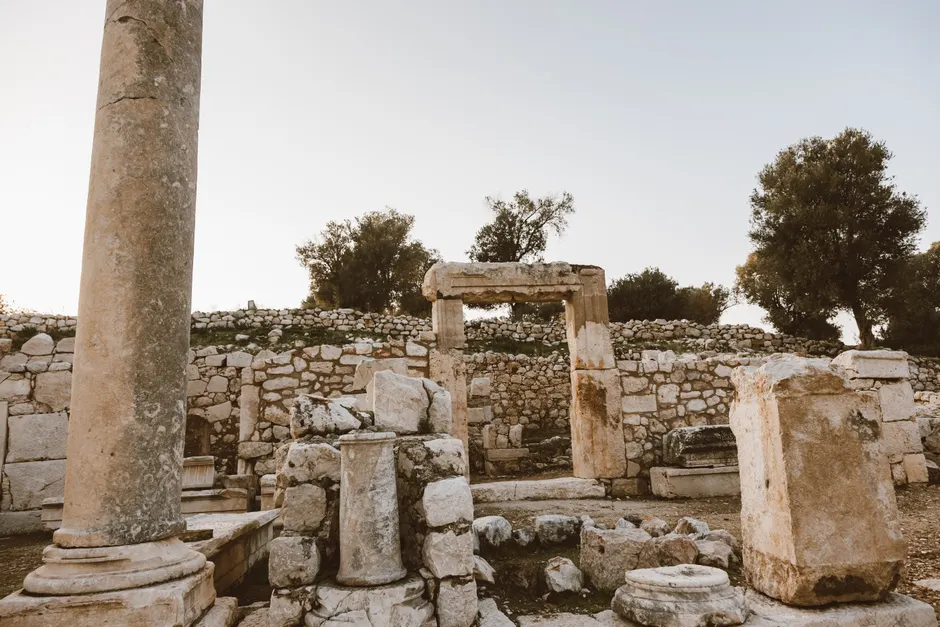
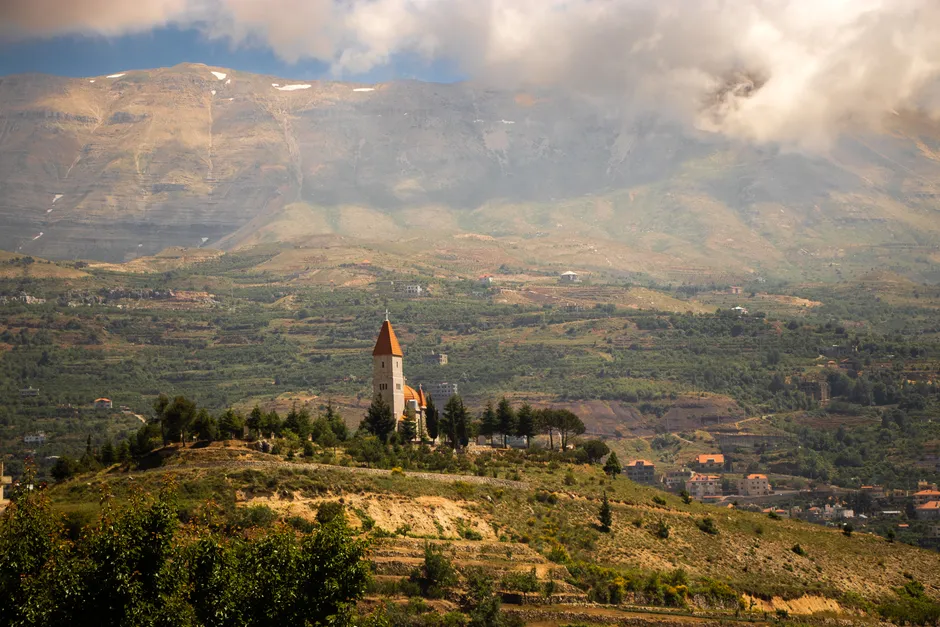
Sebastia sits on a hilltop near Nablus and is identified by historians as ancient Samaria, the capital of the biblical Kingdom of Israel. Palestinian officials first sought a World Heritage listing for the site in 2012, making the July 2026 inscription the result of a 14-year effort. The five Lebanese fortresses include Beaufort Castle, a medieval stronghold captured by Israeli forces in May 2026 during the war with Hezbollah. Lebanon's culture ministry stated that Israeli bombardment had already destroyed Shamaa Castle, one of the five listed fortresses, before the committee acted.
Israel's foreign ministry campaigned to have the listings rejected, but member states approved them regardless. Israel left UNESCO in 2019 and attended the Busan session only as an observer, which removed its ability to vote on the committee's decisions.
The broader context here is one of cultural heritage caught in active conflict. The emergency inscription procedure exists precisely for situations where sites face "ascertained or potential danger," and the simultaneous listing on both the main register and the danger list signals that the committee judged these sites to be under immediate threat, not merely of outstanding universal value. For Sebastia, that threat is tied to the conditions of Israeli occupation in the West Bank; for the Lebanese castles, it is tied to the physical destruction caused by the 2025–2026 Hezbollah-Israel war. Lebanon's assertion that Shamaa Castle was already destroyed means the endangered listing functions in part as a posthumous recognition, granting a destroyed site the protections and international attention that come with World Heritage status.
Israel's withdrawal from UNESCO in 2019, alongside the United States at the time, was itself rooted in disputes over how the organization handled sites in Palestinian territories. The Busan vote shows that Israel's absence from full membership has not stopped UNESCO from engaging with sites in areas under Israeli control. Instead, it has removed Israel's ability to shape those outcomes from within the institution. The classification of Sebastia under the "State of Palestine" in official UNESCO documents is, in this respect, as politically consequential as the heritage designation itself, reinforcing a diplomatic framing that Israel has opposed for over a decade.
For Lebanon, the Tyre and Mount Amel designations together place a substantial portion of the country's southern cultural landscape under UNESCO's protective umbrella at a moment when reconstruction and recovery from the war are still in early stages. The danger-listing opens a pathway to emergency international assistance funds and technical support, though the practical reach of such mechanisms in a post-conflict environment is limited by political and logistical realities on the ground.