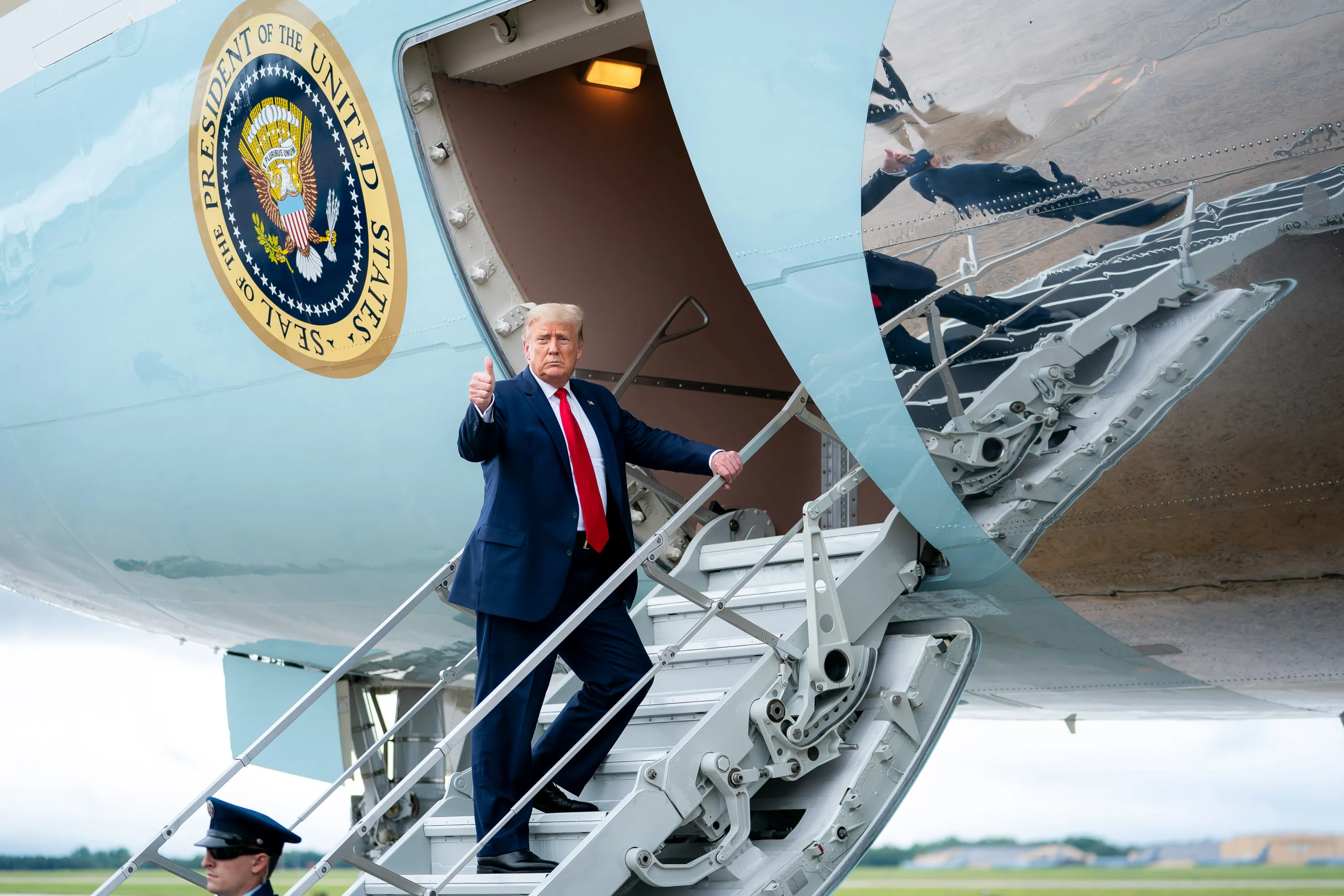
A Missile Threat in Ankara: Why Trump Switched Planes at the NATO Summit
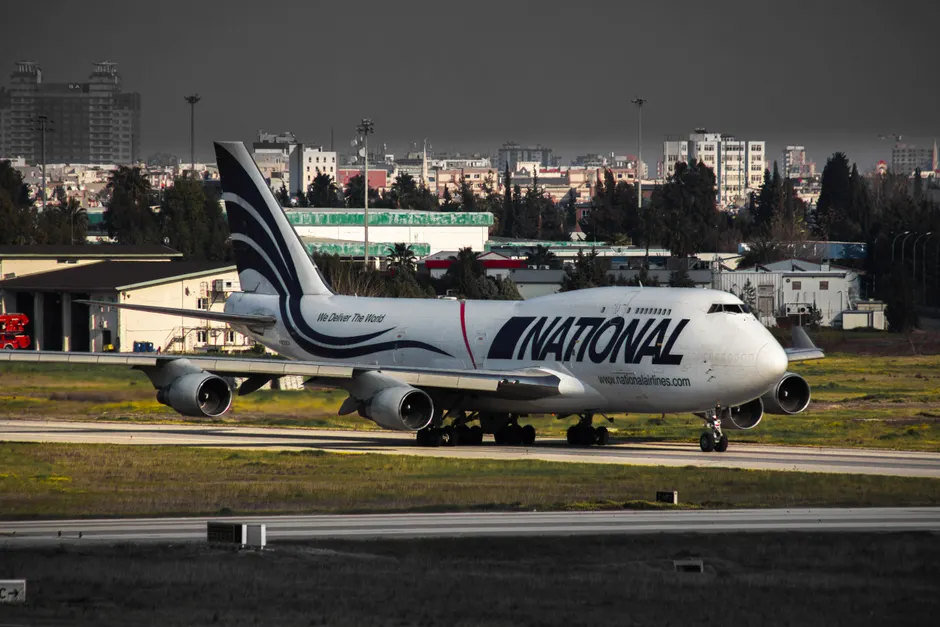
US officials identified a credible missile threat from Iranian-backed proxy forces targeting President Donald Trump and Air Force One during the NATO summit in Ankara, Turkey. The Secret Service recommended Trump switch aircraft before leaving the country, according to reporting by the New York Times and confirmed by CBS News (New York Times).
Trump had arrived in Ankara aboard a Boeing 747-8 donated by Qatar, which does not have the advanced defensive systems installed on the traditional Air Force One aircraft. Once the threat was identified, Trump said he would leave Turkey on the older plane instead. He did not give a detailed public explanation at the time, saying he would use the legacy aircraft "for old time's sake" (The Guardian). NPR reported that Trump flew part of the return trip on the older Air Force One. Both planes made an unscheduled stop at RAF Mildenhall, a UK base used by US troops, before continuing to the United States.
According to CBS News sources, the Secret Service decided to swap planes after receiving intelligence about a plan to fire a missile at the president's aircraft. US officials did not assess that the proxy forces were specifically targeting the Qatari-donated 747-8. The intelligence indicated the threat was aimed at Trump himself, regardless of which plane he was on (The Guardian).
The New York Times first reported the plane switch as a security precaution on July 8, 2026, more than two weeks before its detailed July 24 report naming the Iranian proxy threat. Euronews also reported on July 8 that Trump would leave Turkey on the older Air Force One rather than the Qatari-gifted aircraft. Trump departed Turkey on a Wednesday night aboard the legacy plane.
The plane-switch revelations surfaced as Trump was reportedly considering escalating attacks on Iran after a ceasefire — a negotiated pause in fighting — broke down. He vowed "major military punishment" for Tehran and its Houthi allies. Trump has previously spoken publicly about threats from Iran against his life and said he left standing orders for the US military to destroy Iran at unprecedented levels if Tehran assassinates him (The Guardian).
The reporting also intersects with a separate press-freedom dispute. Trump's Justice Department had previously subpoenaed New York Times reporters over their coverage of security risks involving the Qatari-gifted Air Force One replacement. The department dropped those subpoena efforts, as reported on July 23, 2026, one day before the detailed threat reporting was published.
The broader context here is a security architecture under strain on multiple fronts. The decision to switch planes mid-summit suggests that US protective intelligence viewed the missile threat as credible enough to override the logistical complexity of transferring a president between aircraft on foreign soil. The threat was directed at Trump personally rather than at a specific plane, which means the substitute aircraft was not, by itself, a solution. The legacy Air Force One carries defensive countermeasures — including systems to thwart missiles and secure communications hardened against interception — that the unequipped Qatari 747-8 lacks. But the switch also depended on the assumption that whoever was tracking Trump could not easily redirect the threat to the replacement plane, an assumption that rests entirely on the quality and freshness of the underlying intelligence.
The episode also raises questions about the decision to accept and deploy the Qatari-donated aircraft in the first place. The Justice Department's subpoena of NYT reporters covering security risks tied to the replacement plane suggests the administration viewed such reporting as damaging, even as the plane's operational limitations have now been exposed by an actual threat scenario. The timing — subpoenas dropped one day before the threat reporting went public — may reflect a calculation that continued legal pressure on reporters would be politically untenable once the government's own actions confirmed the very security concerns the reporters had been covering.
Meanwhile, the concurrent escalation rhetoric, including Trump's standing deterrence orders and his vow of "major military punishment" for Iran and its Houthi allies, places the Ankara incident within a cycle of retaliation and counter-retaliation that has already collapsed at least one ceasefire. The use of proxy forces for an operation targeting a head of state, if the intelligence holds up under further scrutiny, would be a serious escalation in the Iran-US confrontation, shifting from attacks on US military assets abroad to a direct attempt on the president's life. Whether the administration treats this as a red line crossed, or as leverage in an already destabilized negotiating environment, will shape the next phase of US-Iran military posture.