Romania Shoots Down Russian Drones Three Days in a Row, Raising the Stakes for NATO

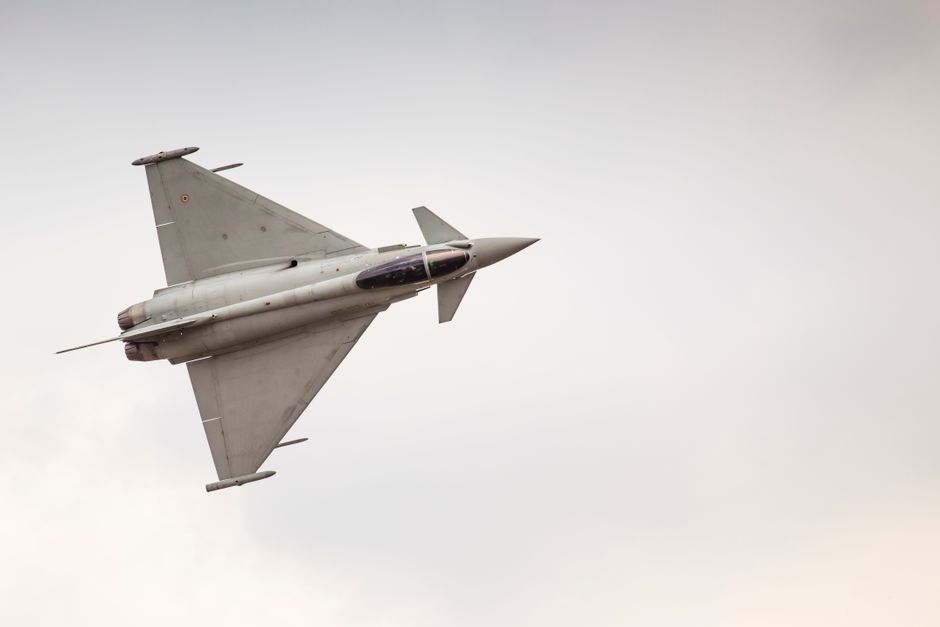
A Romanian F-16 fighter jet shot down a Russian drone over the Black Sea at 10:13 AM on Sunday, July 26, 2026 — the third consecutive day that Romania had intercepted an intruding drone in its own airspace. The Romanian Ministry of National Defence confirmed the engagement, which followed similar shootdowns on Friday, July 24 and Saturday, July 25. Romania summoned Russia's ambassador to Bucharest the same day over what Foreign Minister Oana Toiu described on social media as "repeated violations" of Romanian airspace (Al Jazeera).
The three-day sequence began on Friday, July 24, when a Romanian pilot shot down a drone that had entered national airspace — the first time Romania had ever done so, according to President Nicusor Dan (Reuters). An investigation identified Friday's drone as a Shahed model, the type Russia has used extensively in its war against Ukraine. The second drone, intercepted on Saturday, July 25, was shot down over a sparsely populated area of Romania (Reuters. The Sunday intercept was carried out by an F-16 over the Black Sea, with the Romanian Ministry of National Defence specifying the exact time as 10:13 AM (Romanian Ministry of National Defence).
President Dan called the repeated breaches "intolerable" (Reuters. The phrasing tracks closely with that of US Army Colonel Martin O'Donnell, a senior NATO military spokesperson, who called Russia's repeated airspace violations "unacceptable and intolerable" on social media. The alignment between Bucharest and a NATO military spokesperson suggests a coordinated allied response to the incidents.
The summoning of Russia's ambassador on July 26 was not the first such diplomatic protest Bucharest has made. The Romanian Ministry of Foreign Affairs previously summoned the Russian ambassador on April 25 regarding a Russian drone violation of Romanian airspace, and again on May 29 over the crash of a Russian drone. France separately summoned Russia's ambassador in late May to demand an explanation for a drone that struck a residential building in the Romanian city of Galati, injuring two people — the first such strike on a populated area in a NATO country (Reuters. In June, a maritime drone exploded in Romania's Constanta port.
The escalation trajectory is visible: from drones crashing on Romanian soil, to a residential strike causing casualties, to a port explosion, and now to three consecutive days of active intercepts by Romanian fighter jets. The Romanian Ministry of Internal Affairs also addressed public reports in June that its personnel were receiving a so-called "drone bonus" (spor de dronă), a sign that domestic pressure over the frequency of these incidents had reached the level of public budgetary scrutiny.
The broader context here matters for understanding NATO's Article 5 calculus. Article 5 is the alliance's mutual defense clause — an armed attack on one member is treated as an attack on all. Romania is a frontline NATO state on the Black Sea, sharing a 650-kilometre border with Ukraine. Russian drones targeting Ukrainian infrastructure along the Danube, particularly in the Odesa region, have repeatedly veered into Romanian airspace during attack runs. Until July 24, Romania's response had been limited to detection, tracking, and diplomatic protests. The decision to shoot down intruding drones across three consecutive days establishes a new operational baseline.
What remains unresolved is whether Russia will adjust its drone flight paths or tactics in response. The summoning of the ambassador, while a standard diplomatic tool, has produced no discernible change in Russian behavior across previous instances in April and May. The question now is whether sustained engagement by Romanian F-16s alters that pattern, or whether the violations continue and NATO is forced to consider next steps beyond rhetorical condemnation.
For now, the operational shift is clear. Romanian airspace is being actively defended with lethal intercepts, and the diplomatic channel has been exhausted to the point of routine.