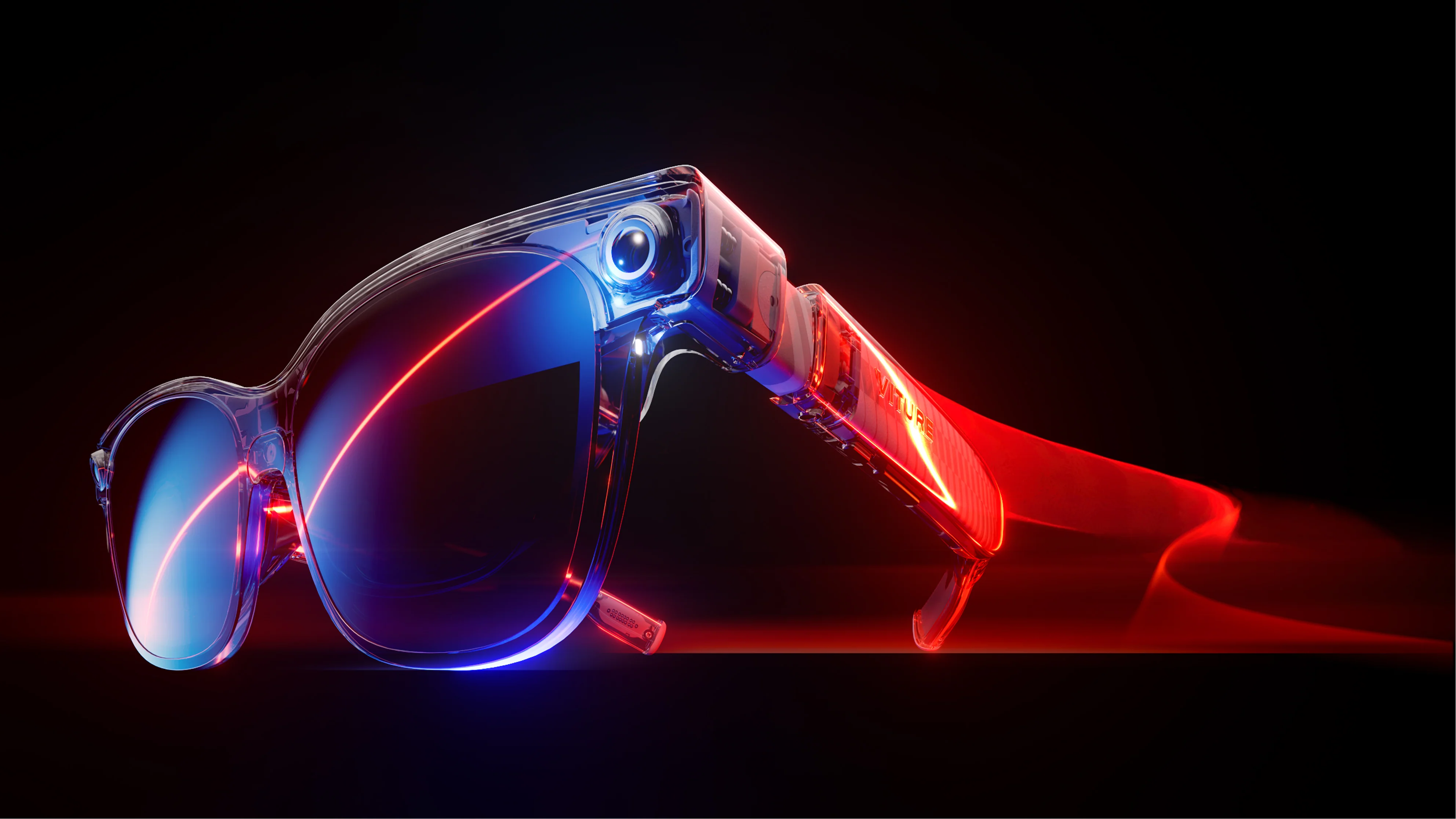
Viture Pro 2 AR Glasses Bring Adjustable Lenses to a $299 Price Point
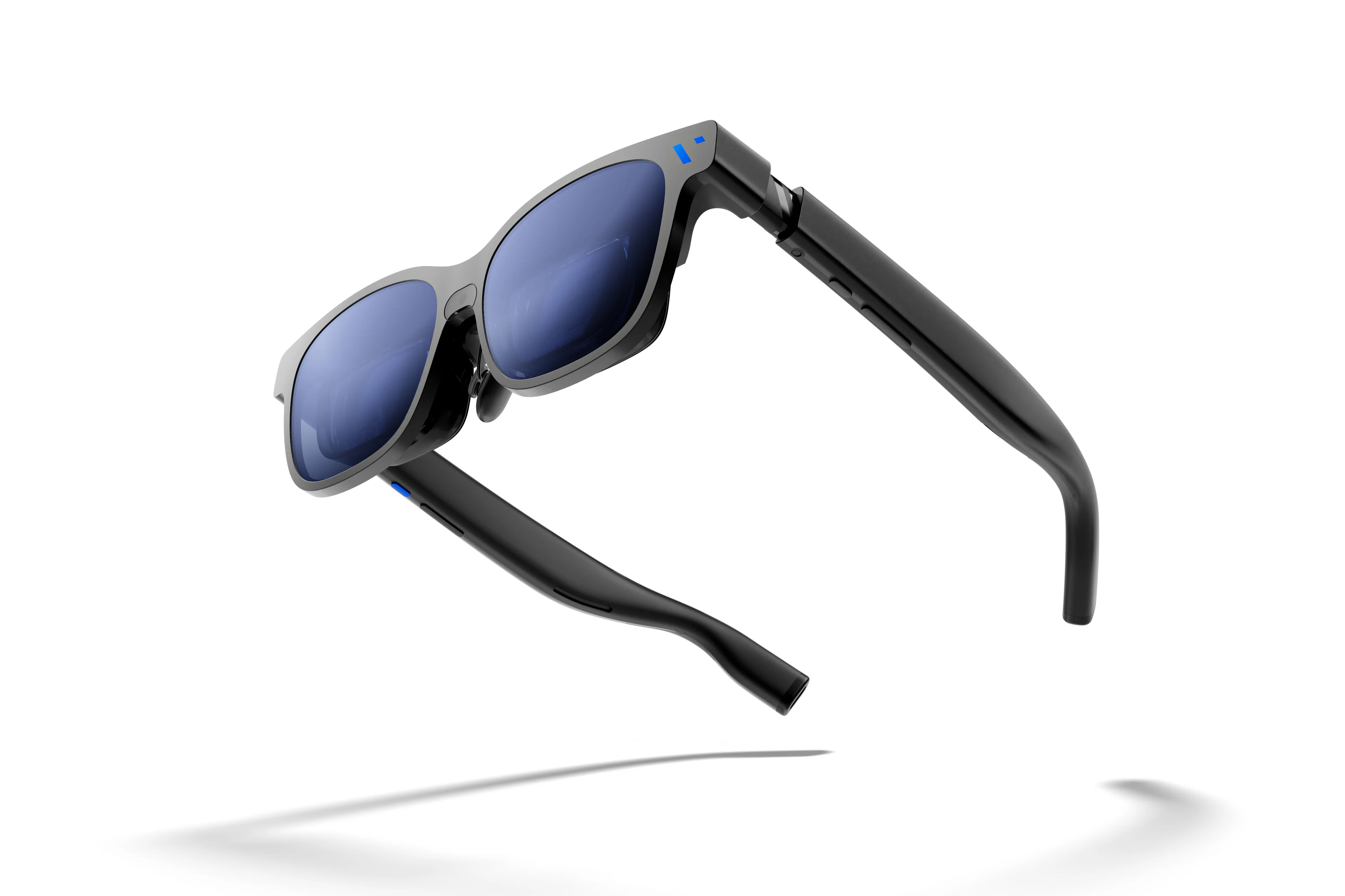
Viture's Pro 2 AR glasses arrive at $299.99 with diopter-adjusting dials on each eye, a feature previously limited to AR glasses priced around $400 or more. The inclusion of mechanically adjustable lenses at this price is the central hardware story, and according to The Verge's hands-on review, it produces screens that look sharper than models costing hundreds more. (The Verge)
The sharpness comes from diopter dials located above each eye that physically move the lenses, letting users correct for their own vision without prescription inserts. The Pro 2 also supports prescription lens inserts for those who need them. The result, per The Verge, is consistent sharpness across a 50-degree field of view, without the difficult-to-find sweet spot that plagues many AR displays. (The Verge)
That field of view is narrower than some competitors offer, and it is one of the trade-offs that comes with the price. The Pro 2 also lacks a three-degrees-of-freedom (3DoF) stabilization feature found in pricier glasses. 3DoF means the glasses can track head movement in three directions — pitch, yaw, and roll — allowing the virtual screen to stay fixed in space as you move your head. Viture's own Beast AR glasses, launched at CES 2026 in January, include 3DoF along with multiple tinting options and a wider field of view; the Beast XR variant carries a 58-degree FOV and a $549 price tag. (The Verge) (Viture)
The Pro 2 is, in functional terms, a screen-mirroring device. Its micro OLED displays mirror or extend another device's screen over a tethered USB-C connection at up to 1080p with a 120Hz refresh rate. There is no augmentation of virtual screen size or placement; the glasses render a fixed virtual display. Physical controls include buttons for volume, brightness, and color temperature adjustment. The glasses weigh 63 grams. (The Verge)
Build quality reflects the price in other ways. The Verge noted that the temple arms have more flex than pricier models, and reported heat on the right temple arm during extended testing sessions. (The Verge)
Viture's broader lineup illustrates where the Pro 2 sits. The Beast XR, at $549, pushes a 1200p 4K-like display at 120Hz with a virtual display size rated at 4M, a 58-degree FOV, a contrast ratio of at least 100,000:1, and 108% sRGB coverage. It supports per-eye resolutions of 3840x1200 and 1920x1200. (Viture) Viture's Luma series, comprising the Luma, Luma Pro, and Luma Ultra XR, features 4K-like Sony micro-OLED displays, electrochromic dimming, and HARMAN audio. The Luma Pro is described by Viture as the first XR glasses with customizable RGB lighting, a 152-inch virtual screen, and visuals 50% sharper than other Viture glasses. (Viture) (Viture)
The product hierarchy is straightforward. The Pro 2 trades advanced features for aggressive pricing, while the Beast and Luma lines carry the higher-end optical and display specifications.
The broader context here is one we have seen before in consumer hardware. Features that justify a premium at one price tier, diopter adjustment among them, migrate downward as manufacturing matures and component costs decline. The Pro 2's diopter dials, a 50-degree FOV, and micro OLED at 1080p/120Hz for under $300 would have been a difficult combination to hit even a year ago. Whether that is enough to matter depends on what users want the glasses to do: the Pro 2 is a personal display, not an AR platform. It mirrors and extends screens. For users whose primary need is a private, portable monitor, the sharpness and price combination is a genuine value. For anyone who wants spatial display manipulation, environmental anchoring, or a wider FOV, the Pro 2's feature set stops well short.
One concern worth noting is the heat issue on the right temple arm. Thermal management in wearables is a hard engineering constraint, and noticeable heat during extended use is the kind of thing that separates a comfortable secondary screen from a device that gets put down after 30 minutes. How significant this is in practice will depend on individual usage patterns and tolerance.
The broader trajectory for this category, though, is encouraging. AR glasses are getting lighter, sharper, and cheaper, and the Pro 2 is a concrete data point in that direction. The 63-gram weight, the diopter dials, and the sub-$300 price together lower the barrier for people who want to try a personal display without committing to a premium-tier device. That is not a transformation of what AR glasses can do. It is a widening of who can afford to find out.