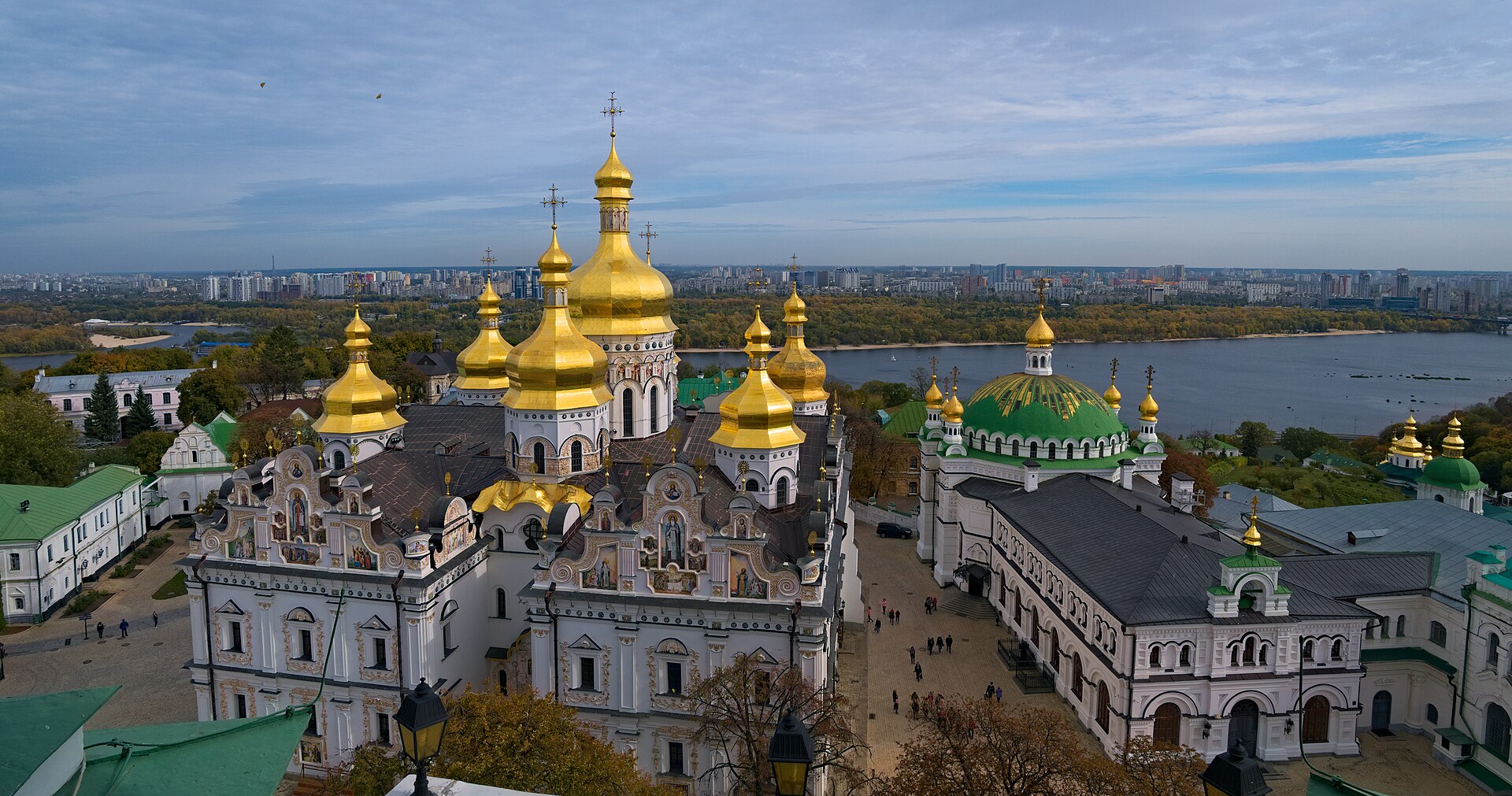
Russian Strike Sets Dormition Cathedral Ablaze; Moscow Blames Patriot Missile

A Russian drone struck the roof of the Dormition Cathedral at Kyiv-Pechersk Lavra on June 14, setting the 11th-century structure on fire, according to Reuters. The attack was the second blow to the UNESCO-listed monastery complex in 2026 — the Lavra was first hit in winter, but Ukrainian officials described the June strike as deliberate and precise, per a Reuters assessment published June 15.
Russia denied responsibility. Moscow attributed the cathedral damage to a U.S.-made Patriot surface-to-air missile, a claim Reuters reported on June 15 without independent corroboration. The counterclaim follows a well-established pattern in which Russia attributes collateral damage to Ukrainian air-defence intercepts — plausible in a technical sense when proximity fuze or debris impacts are involved, but difficult to verify without forensic evidence neither side has yet presented publicly.
President Volodymyr Zelenskiy framed the strike as an assault on the Christian community and on the cultural heritage of humanity, according to Reuters. The framing is deliberate. The Lavra sits at the centre of a long-running ecclesiastical dispute: Ukraine's government moved to evict the Ukrainian Orthodox Church of the Moscow Patriarchate from the complex in 2023, a process that was still unresolved when the fire broke out. Zelenskiy's invocation of universal heritage — rather than specifically Ukrainian identity — is calibrated to maximise pressure on European and Vatican audiences that have remained cautious about deepening involvement in the war.
The Dormition Cathedral's pedigree is hard to overstate on symbolic grounds alone. Founded in the 11th century, it has been destroyed and rebuilt more than once — most catastrophically when Nazi forces blew it up in 1941 during the German occupation of Kyiv, an act Moscow itself once cited as evidence of fascist barbarism. The cathedral was painstakingly reconstructed through the 1990s and 2000s and reconsecrated in 2000. Its UNESCO listing as part of the Saint-Sophia of Kyiv and Related Monastic Buildings ensemble means any verified intentional strike would engage obligations under the 1954 Hague Convention for the Protection of Cultural Property in the Event of Armed Conflict, to which Russia is a signatory.
Whether the June 14 strike constitutes an intentional attack on a protected site or results from a Patriot intercept over densely targeted airspace is the operative legal and diplomatic question. Under the Hague Convention and its 1999 Second Protocol, enhanced protection requires that a site not be used for military purposes — a condition Ukraine's critics have at times contested with respect to certain Lavra buildings, though no credible evidence of military use of the Dormition Cathedral itself has emerged. If attribution is confirmed, the case would likely be referred to the International Criminal Court, which already holds an arrest warrant for President Vladimir Putin on a separate issue.
The broader context here is the strategic logic of striking culturally legible targets. Infrastructure attacks — on power grids, water systems, and rail — are measurable in megawatts and tonnes. Strikes on landmark religious or cultural sites carry a different payload: they generate international press cycles, complicate Russia's positioning with Orthodox-majority and non-aligned states, and force Kyiv's allies to respond rhetorically even when action fatigue has set in. Whether or not the Lavra strike was the primary objective or collateral to another target, the political cost to Moscow is real.
Damage assessments were ongoing as of June 15. One person was injured during the broader Kyiv air attack in which the Lavra strike occurred, per Reuters. The extent of structural and fresco damage inside the cathedral had not been publicly confirmed. Ukraine's State Service for Special Communications and cultural heritage bodies were expected to conduct a formal assessment, with findings likely to feed into ongoing war crimes documentation efforts at the ICC and UN Human Rights Monitoring Mission in Ukraine.