U.S. Offers Iran a Sanctions Reprieve on Oil as Interim Deal Takes Shape

A sanctions waiver on Iranian oil sales has emerged as a core component of an interim deal to end hostilities between the U.S. and Iran, Reuters reported on June 18, 2026 — a striking pivot from an administration that spent the first year of Trump's second term building the architecture of maximum pressure.
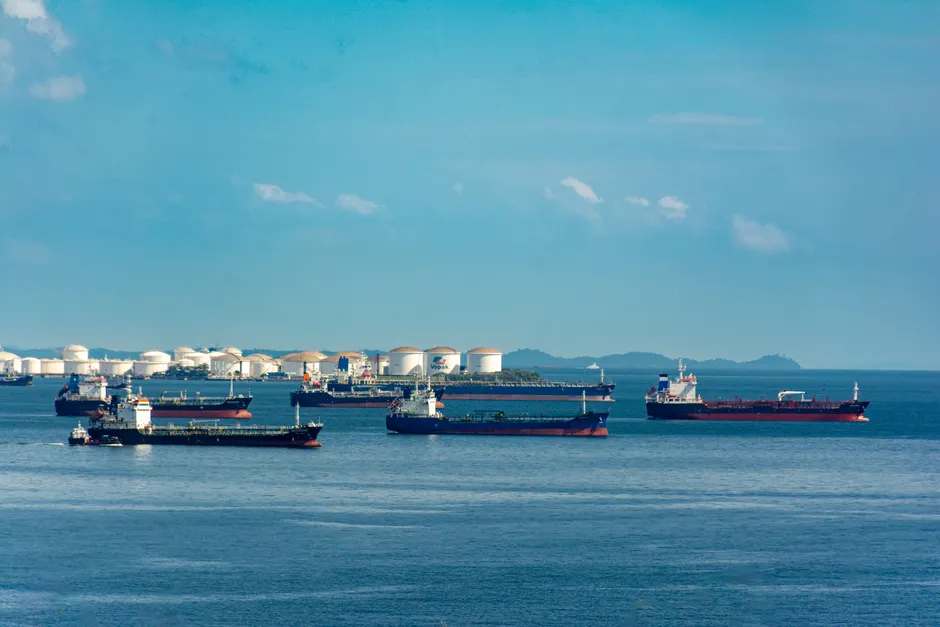
The reversal is sharp on paper. The February 2025 NSPM-2 explicitly held Iran responsible for Hamas's October 7, 2023 attacks and ongoing Houthi operations in the Red Sea, framing Iran's oil revenue as a direct funding stream for regional destabilization. The accompanying White House fact sheet articulated the goal plainly: drive Iranian crude exports to zero by modifying or rescinding existing sanctions waivers. As recently as May 2026, Treasury sanctioned eight vessels involved in transporting Iranian crude and petroleum products, according to Reuters. The enforcement posture looked, until recently, unambiguous.
The first public signal of a softening came in March 2026, when Treasury Secretary Scott Bessent said the U.S. was considering removing sanctions on Iranian oil stranded aboard tankers at sea — a logistically specific concession that hinted at broader flexibility. Reuters reported Bessent's comments on March 19. Stranded-cargo relief is a standard diplomatic instrument in sanctions negotiations: it allows a counterparty to monetize existing inventory without formally endorsing new production or export flows, giving both sides political cover.
That flexibility now appears to have expanded. The June 18 Reuters reporting on the interim deal suggests the waiver is no longer limited to stranded cargoes but extends to sanctioned oil sales more broadly — the precise mechanism through which Tehran earns the hard currency that funds its military and proxy networks.
The Broader Sanctions Picture
The Iranian oil waiver lands alongside a separate, quieter move in the global energy sanctions regime. The U.S. Treasury allowed its waiver on Russian seaborne oil to expire on June 18, 2026 without publishing an extension — a lapse Treasury did not formally announce. The two decisions pull in opposite directions: easing pressure on Iranian barrels while tightening it, at least nominally, on Russian ones.
The contrast matters for anyone modeling secondary sanctions exposure. Buyers of Russian crude who relied on the waiver's safe harbor now face reinvigorated legal risk, while buyers of Iranian crude may — depending on how the interim deal's waiver is scoped — gain a degree of protection they have not had since before JCPOA's collapse. The net effect on global oil flows is not yet clear, but the directional signals to Asian refiners, who are the primary customers for both Russian and Iranian discounted crude, are significant.
What Comes Next
The Trump administration's February 2026 executive order reaffirming a national emergency with respect to Iran — signed earlier this year — remains in force. That matters structurally: the national emergency declaration is the legal foundation for virtually all Iran sanctions authorities. Its continuation means the administration retains the ability to reimpose full pressure quickly if negotiations collapse, without requiring new legislation or a prolonged rulemaking process.
Interim deals in sanctions diplomacy are inherently provisional. The JCPOA experience between 2013 and 2015 — from the Joint Plan of Action through to the final agreement — showed that oil waiver mechanics can be renegotiated multiple times before a durable framework is reached, and that agreed interim terms do not reliably translate into final ones. The Trump administration's willingness to offer an oil waiver now likely reflects both tactical incentive — giving Tehran economic breathing room to stay at the table — and the administration's own preference for a negotiated outcome over an open-ended military posture.
What the waiver's precise scope covers, which entities or vessels it exempts, and whether it includes secondary-sanctions protection for non-U.S. buyers are the operative details that will determine whether it produces any real shift in Iranian export volumes. Those terms have not yet been made public.