US Reimposes Iran Naval Blockade Weeks After MoU Signing, IRGC Threatens Regional Energy Exports
US reimposes naval blockade on Iranian ports, collapsing June's MoU
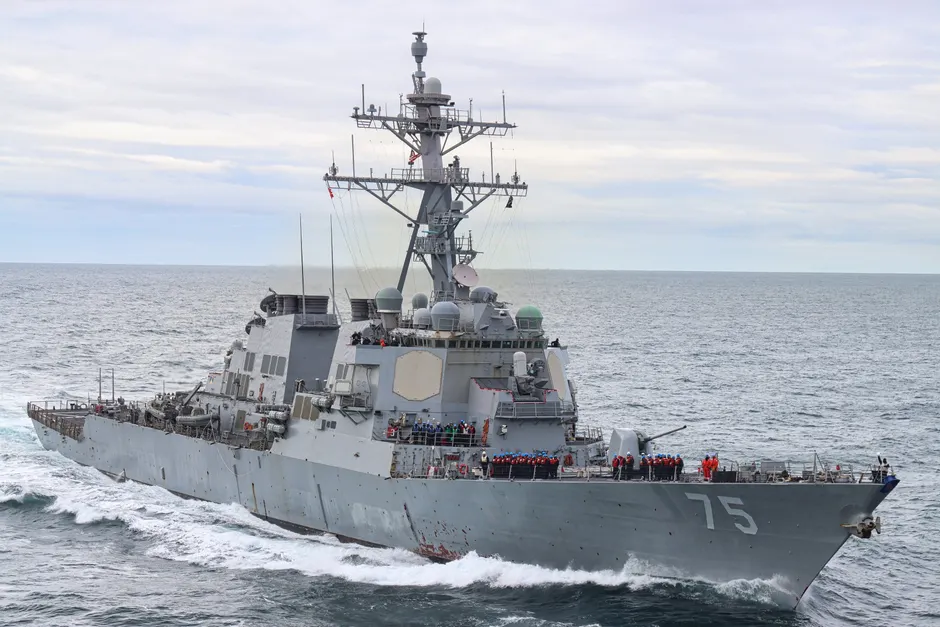
The United States has reimposed a naval blockade on Iranian ports, less than a month after Washington and Tehran signed a memorandum of understanding meant to de-escalate the confrontation in the Gulf Al Jazeera. CENTCOM said blockade operations officially resumed at 4 p.m. EDT (20:00 GMT) on July 14 CENTCOM, a timeline corroborated by Reuters' advance reporting that enforcement would begin that Tuesday Reuters and by CNN's citation of a same-day US military statement confirming the blockade had gone into effect CNN. US forces are now blocking maritime traffic to and from Iranian ports and coastal areas.
CENTCOM has tied the renewed blockade to what it describes as its latest wave of strikes on Iran, framed as a response to Iranian attacks on ships transiting the Strait of Hormuz Al Jazeera. The Associated Press similarly reported that the reimposed blockade responds to Iranian strikes on commercial vessels in the strait AP. Notably, the operational announcement has come through CENTCOM rather than a White House executive order, fact sheet, or presidential statement — no such document dated July 2026 authorizing a resumed blockade has surfaced, a departure from April, when the White House explicitly credited President Trump with directing the original blockade to counter "Iranian aggression" and restore safe passage through Hormuz White House, April 2026.
The collapse traces back to the MoU signed June 17 by Trump and Iranian President Masoud Pezeshkian, a 14-point document that both sides described at signing as a step toward a final settlement, with follow-on talks committed to within 60 days BBC. Point 4 of that text obligated the US to begin immediate removal of its naval blockade upon signing NPR. The White House's own June 19 release cast the agreement as reopening the Strait of Hormuz to free passage and ensuring Iran would "never obtain a nuclear weapon" White House, June 2026. That framing did not survive a month.
Iranian Deputy Foreign Minister Kazem Gharibabadi declared Tuesday that the MoU is no longer valid Al Jazeera. His statement did not specify whether Tehran regards Point 4's blockade-removal clause, the US strikes, or the underlying Hormuz attacks as the triggering breach — an ambiguity that leaves open which side will be assigned responsibility for the deal's failure in subsequent diplomatic accounting.
The IRGC responded to the blockade's reimposition with a threat to halt all energy exports from the Middle East entirely, stating that oil and gas exports from the region will be "either for everyone or for no one" Al Jazeera. That formulation extends the stakes well beyond Iran's own crude exports, implicitly threatening transit for Gulf producers who rely on the same shipping lanes through Hormuz — a chokepoint through which a substantial share of globally traded oil and LNG passes.
This is not the administration's first invocation of the blockade tool, nor its first threat of escalation beyond it. In April, Trump threatened to strike Iranian power plants and bridges alongside imposing the original blockade Reuters. In June, Secretary of State Marco Rubio told Indian External Affairs Minister Jaishankar that violations of the blockade and illicit transport of Iranian oil would not be tolerated State Department — a warning aimed squarely at third-country buyers, India among the largest historically, that continue purchasing discounted Iranian crude regardless of Washington's sanctions posture. And on July 10, before the blockade's formal reimposition, US officials told Reuters that Washington was demanding Iran publicly commit to halting attacks on Hormuz shipping and to keeping all transit lanes open Reuters — suggesting the blockade's return was already being prepared as leverage before Tehran's alleged attacks materialized.
The absence of a fresh presidential order behind this week's action is worth sitting with. Blockades of this kind carry weight as instruments of state coercion precisely because they are typically anchored in explicit executive authority — the April blockade was announced with Trump's name attached, the June agreement bore his signature, and Rubio's warnings to New Delhi were delivered as stated US policy. A CENTCOM-driven resumption, absent visible presidential sign-off in the public record so far, raises questions about whether this is being treated by Washington as a discrete new policy decision or as the automatic reactivation of standing rules of engagement once Iranian attacks on shipping resumed.
Whatever the internal process, the practical effect is that the MoU's central concession — blockade removal in exchange for de-escalation — has now been reversed within a month of signing, and both governments are trading accusations over who broke the deal first. The IRGC's threat to weaponize regional energy flows broadly, rather than confine retaliation to US or Iranian shipping specifically, signals that Tehran may be positioning the dispute as one the Gulf states and their oil-dependent customers cannot remain neutral bystanders to.