Dual Earthquakes Strike Venezuela, Toppling Buildings in Caracas as U.S. Mobilizes Aid
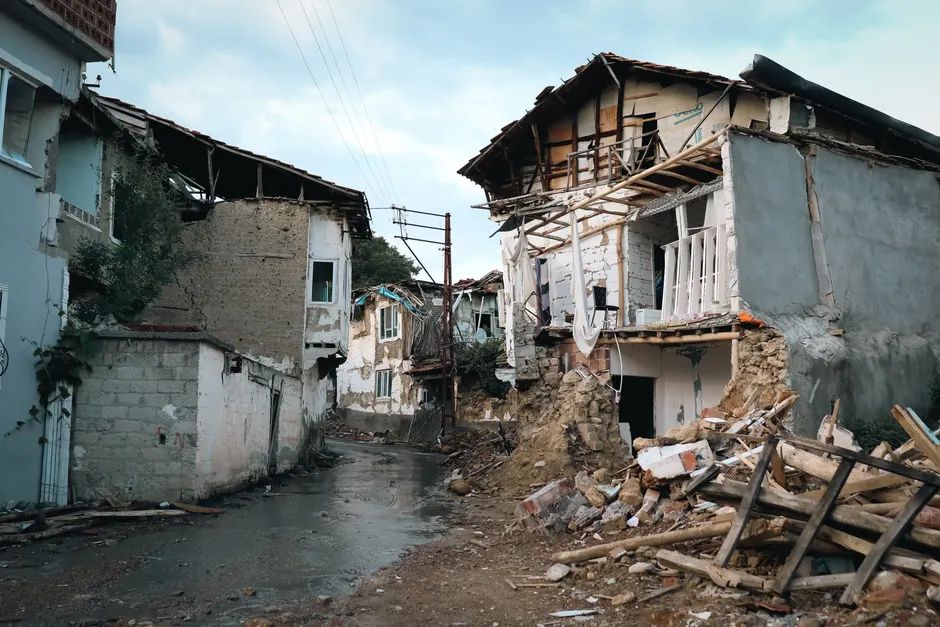
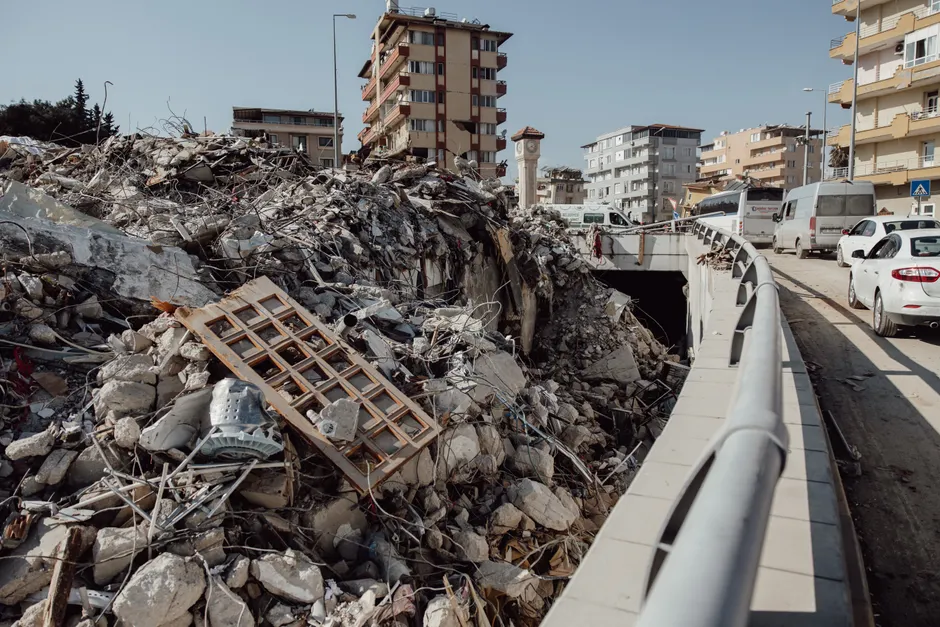
A 7.2 magnitude foreshock struck Venezuela on June 24, 2026, followed 39 seconds later by a 7.5 magnitude mainshock — a rapid seismic sequence that toppled buildings in Caracas and left people trapped in rubble, according to USGS and Reuters.
The mainshock was centered 28 km southeast of Yumare, in Yaracuy state — a region that sits along the complex transpressional boundary of the Caribbean and South American plates. A 39-second interval between events of that magnitude is seismologically significant: the foreshock would have been disorienting and structurally damaging on its own, leaving compromised buildings far more vulnerable to the mainshock that followed. In densely built Caracas, roughly 180 km to the east, that sequencing likely amplified casualties and collapse rates beyond what either event would have caused in isolation.
Venezuela's built environment carries decades of deferred maintenance. Enforcement of seismic building codes has been inconsistent at best, and years of economic contraction have left much of the capital's housing stock — particularly informal settlements on hillsides — in a state that increases vulnerability to ground motion. The country also lacks the emergency-response infrastructure that wealthier nations deploy automatically after large seismic events: heavy rescue equipment, trained urban search-and-rescue (USAR) teams, and functioning logistics chains.
That context makes the U.S. announcement of mobilized assistance notable on two levels. Operationally, Washington's USAID and its partner agencies maintain pre-positioned disaster response assets in the region, and the speed of a mobilization announcement within 24 hours of a major seismic event suggests those mechanisms activated quickly. Diplomatically, the offer lands inside one of the more adversarial bilateral relationships in the Western Hemisphere. The U.S. and Venezuela have operated without resident ambassadors for years, with sanctions regimes, asset freezes, and competing political recognition claims defining the relationship since at least 2019. Disaster diplomacy — the conditional or unconditional extension of humanitarian assistance across hostile state relations — has a mixed track record. It occasionally opens durable channels; more often it produces a brief, transactional opening that closes once the immediate crisis recedes.
How Caracas responds to the U.S. offer will carry its own signal. The Maduro government has historically been selective about accepting Western aid, weighing the domestic political optics of receiving assistance from an adversary against the practical scale of need. A refusal channels aid through multilateral actors like PAHO or the UN OCHA system; acceptance, even partial, would represent an unusual operational contact point between the two governments.
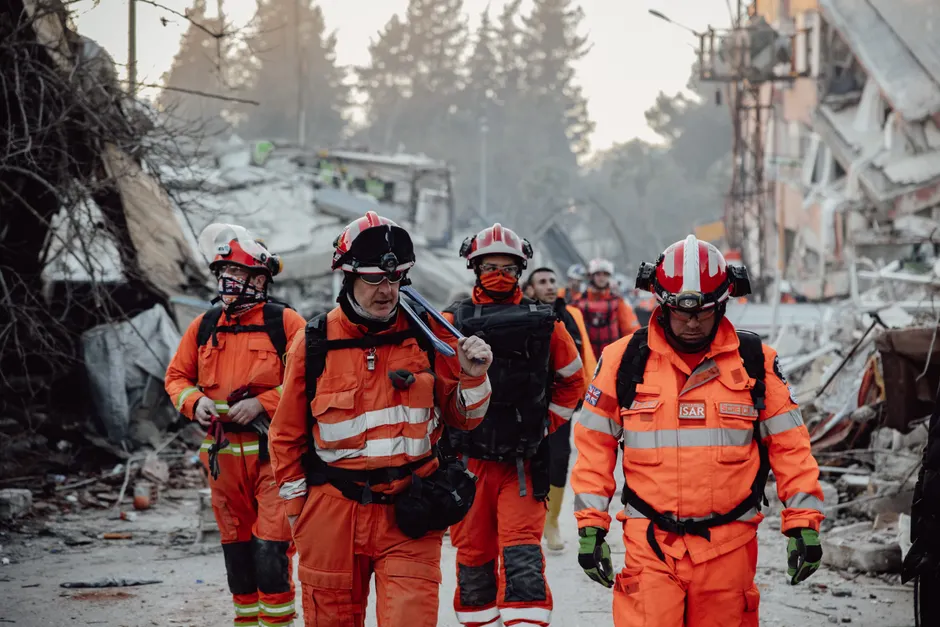
The immediate priority is the search-and-rescue window. Survivability for people trapped in structural collapse drops sharply after 72 hours. With the mainshock occurring on June 24, that window closes around June 27. The scale of the collapse in Caracas — a megacity of roughly 3 million — and the likely inadequacy of domestic heavy rescue capacity make international USAR deployment the decisive variable in the coming days.
Aftershock risk is elevated. Following a 7.5 mainshock, sequences routinely include M6+ aftershocks in the first 24–72 hours, which complicates rescue operations in partially collapsed structures and discourages survivors from remaining in damaged buildings. Emergency managers will be balancing active rescue against the real-time hazard of secondary collapse.
The broader regional picture matters for the response trajectory. Colombia, Trinidad and Tobago, and Brazil are the most proximate states with meaningful emergency capacity and less fraught diplomatic relationships with Caracas. Regional coordination through CELAC or bilateral channels may prove a more frictionless pathway for heavy equipment and personnel than a direct U.S.-Venezuela operational link — whatever Washington's announcement ultimately means in practice.
What is already clear: Venezuela faces a mass-casualty disaster with constrained domestic response capacity, and the geopolitical architecture around the country complicates the fastest possible international response. The coming 48 hours will determine both the human cost and the diplomatic shape of the aftermath.