Venezuela Double Earthquake Kills at Least 920, Hundreds Still Missing

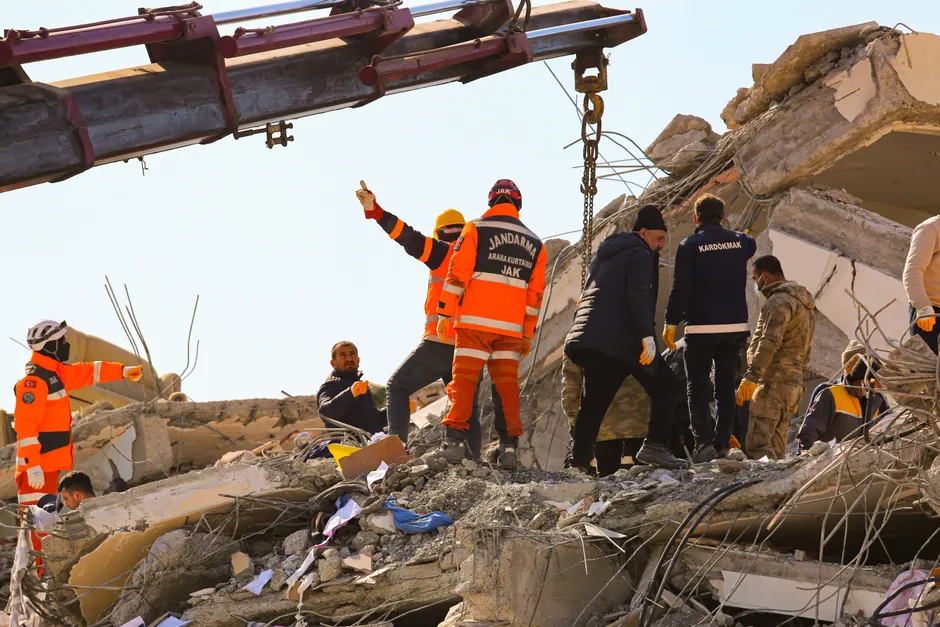
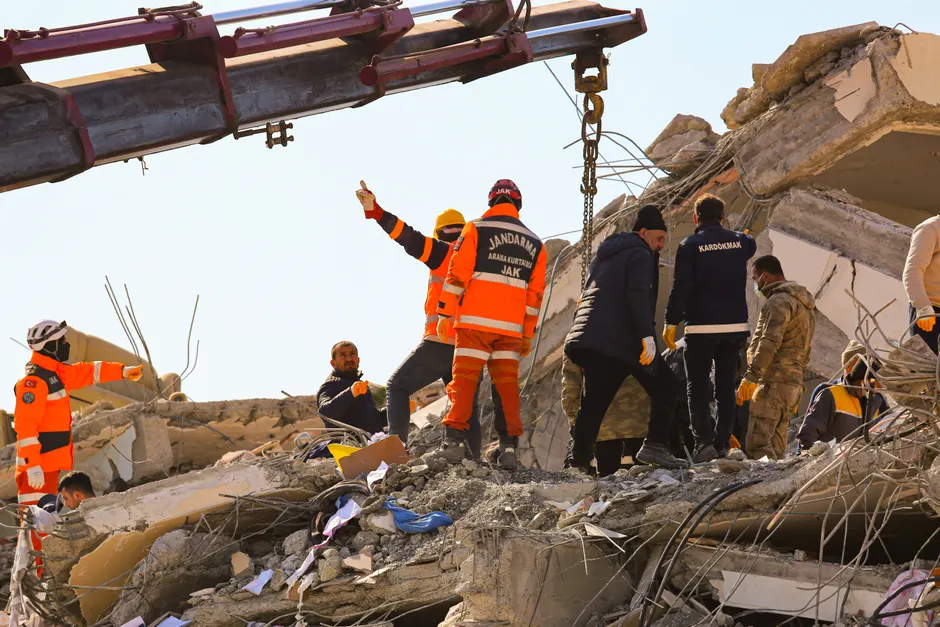
A rare double earthquake struck Venezuela on June 26, 2026, killing at least 920 people and injuring 3,360 more, according to authorities — figures confirmed by AP News as of June 27. Hundreds remain unaccounted for, with search and rescue operations still active across the affected zones.
The sequential seismic events — a double earthquake, meaning two distinct mainshocks in close temporal proximity rather than a mainshock-aftershock sequence — concentrated destruction across the Caracas metropolitan area and the coastal state of La Guaira. The geographic pairing is particularly punishing: La Guaira sits on a narrow coastal strip between the Caribbean and the Avila mountain range, leaving little room for lateral displacement of debris or for rapid ingress of heavy rescue equipment.
Search and Rescue Under Pressure
Reuters reported that foreign rescue teams had joined the recovery effort as of June 26, supplementing domestic emergency services that have operated under severe resource constraints for years. Venezuela's civil protection infrastructure has been substantially degraded by the country's prolonged economic contraction, meaning the response capacity in place before the first tremor was already below the threshold most seismically active nations maintain.
Residents did not wait for formal coordination. Independent search operations were underway by June 27, according to AP News, with civilians digging through rubble in neighborhoods where official teams had not yet arrived. This pattern is common in high-casualty urban earthquakes — Port-au-Prince in 2010, Kahramanmaraş in 2023 — and typically accounts for a meaningful share of early survivors pulled from collapse structures.
With hundreds still estimated as trapped or missing, the coming 72-hour window is critical. Survival rates in pancake-collapse structures fall sharply after that threshold, and La Guaira's terrain complicates the logistics of moving heavy extraction equipment quickly.
Structural and Political Context
Venezuela sits along the Caribbean-South American plate boundary, a seismically active zone where oblique convergence produces both strike-slip and compressional stress. The country has a documented history of destructive earthquakes — the 1812 Caracas earthquake and the 1967 Caracas earthquake both caused mass casualties — yet enforcement of modern seismic building codes has been inconsistent at best, and Venezuela's construction stock in dense urban areas carries known vulnerability to lateral ground motion.
The political dimension cannot be separated from the relief operation. Venezuela's government has had a complicated relationship with international humanitarian assistance, at times restricting or conditioning foreign aid on political grounds. The visible presence of foreign rescue teams signals that at least an operational channel is open, but the terms and scope of that access — and whether it will extend to the broader humanitarian needs that will follow the acute emergency phase — remain unclear.
The injury count of 3,360 also points toward a sustained medical burden. In a health system that was already reporting chronic shortages of medicines, surgical supplies, and specialist personnel before June 26, the treatment pipeline for crush injuries, traumatic amputations, and internal trauma will be strained quickly. The window for international medical support is narrow and front-loaded: field hospitals and surgical teams are most effective in the first two weeks post-event.
The death toll of at least 920 will almost certainly rise. In high-density urban collapse events, official counts lag reality by days, sometimes weeks, as debris is cleared and missing-persons reports are reconciled against recovered victims. The combination of a double mainshock, vulnerable building stock, a mountainous coastal corridor with constrained access, and an under-resourced emergency system means Venezuela is managing one of the more difficult post-earthquake environments in the Western Hemisphere's recent record.