Uganda Discharges Last Ebola Patient, Begins 42-Day Countdown to Declaration

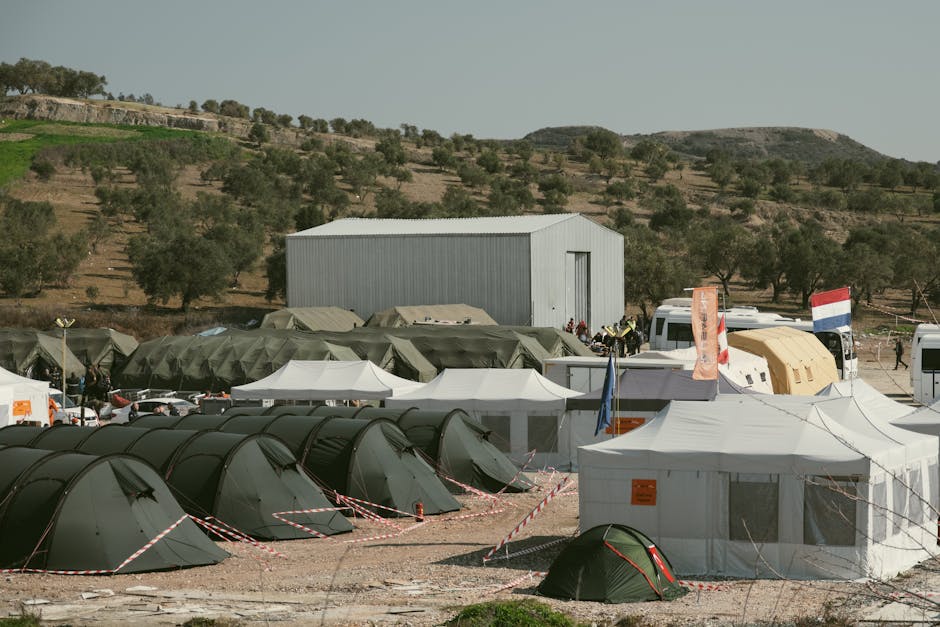
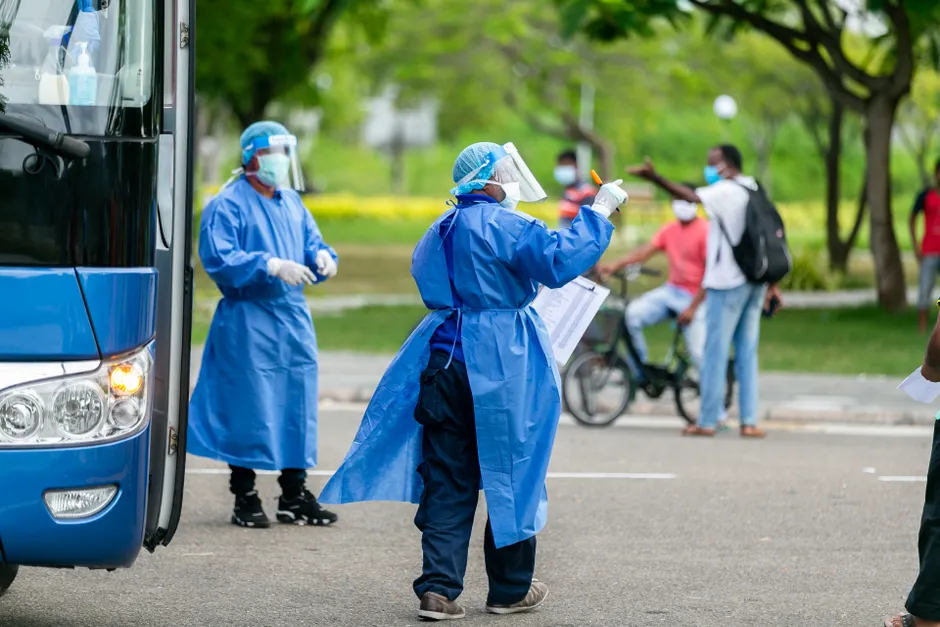
Uganda discharged its last confirmed Ebola patient from Mulago National Referral Hospital's isolation centre in Kampala on July 16, 2026. The patient, a Congolese national, had been receiving care at the facility as part of an outbreak that infected 20 people in Uganda and claimed two lives. The discharge triggers a 42-day countdown required by the World Health Organization before Uganda can be officially declared Ebola-free. Under WHO guidelines, countries must complete two consecutive 21-day incubation periods without a new case before an outbreak can be declared over. Uganda's health minister, Dr. Chris Baryomsi, confirmed the discharge, which was also announced in an official Ministry of Health press release published on the government's dedicated Ebola Virus Disease daily updates portal. The WHO Regional Office for Africa independently confirmed the last patient discharge and the start of the 42-day countdown. Uganda declared its outbreak on May 15, 2026, nearly two months after closing its border with Congo on or around January 4, 2026, in an effort to limit the spread of the disease. The epicentre of the broader Ebola outbreak affecting both Uganda and the Democratic Republic of Congo is in Congo's Ituri province. As of July 14, 2026, the DRC outbreak, caused by the Bundibugyo strain, had 2,073 confirmed cases and 796 deaths since first being declared by the WHO on May 17, 2026. Uganda's 20 confirmed infections included 15 Congolese nationals, four health workers, and one driver. The case fatality rate of Uganda's outbreak was less than 10%, among the lowest recorded in Ebola outbreaks. The relatively low mortality rate raises questions about the specific clinical management protocols applied and the viral load of the Bundibugyo strain compared to other Ebola variants. However, because no licensed vaccine exists for the Bundibugyo strain, containment relied entirely on rapid isolation, contact tracing, and cross-border surveillance rather than ring vaccination strategies. Oxford University's Oxford Vaccine Group recently launched the world's first Phase I clinical trial of BD-Ebov, a vaccine candidate targeting the Bundibugyo strain, though this intervention remains in early-stage evaluation and was not available during the active outbreak period. The cross-border dynamics of the outbreak prompted diplomatic engagement. Presidents Yoweri Museveni of Uganda and Félix Tshisekedi of DRC agreed on closer cross-border cooperation and signed a bilateral memorandum of understanding. Uganda sent health experts to DRC as part of this cooperation. Despite these bilateral efforts, 15 countries continue to maintain either partial or full travel restrictions on Uganda after the outbreak. The United States imposed a travel ban on non-U.S. citizens who had been in DRC, Uganda, or South Sudan, with the CDC temporarily restricting U.S. entry. Canada banned entry for travelers from Uganda and South Sudan for 90 days starting May 27, 2026. Uganda itself suspended all direct flights to and from the DRC and restricted bus and boat border crossings during the outbreak. Africa CDC warned that travel restrictions could increase public health risks by driving movement underground and highlighted what it termed 'deeper structural injustice' in global health governance. The WHO's representative in Uganda, Dr. Kasonde Mwinga, is overseeing the final surveillance period. If no new cases emerge, Uganda will complete the required 42-day countdown in late August 2026. The broader context here is the tension between sovereign public health measures and international coordination during infectious disease emergencies. The persistence of travel restrictions from 15 countries, even as Uganda enters its countdown period, illustrates how political and economic risk assessments often lag behind epidemiological timelines. For global health professionals, the Uganda discharge offers a case study in managing a cross-border outbreak without the benefit of a licensed vaccine, while navigating the friction between bilateral cooperation and third-party travel restrictions.