Trump Threatens to Seize Frozen Iranian Assets for Strait of Hormuz Damages, Tehran Calls It "Incendiary"

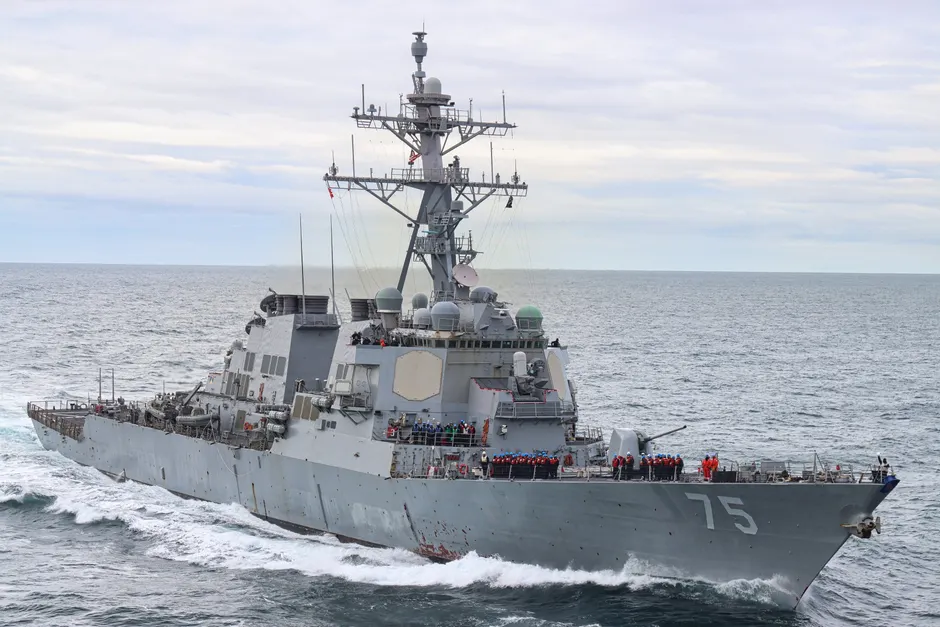
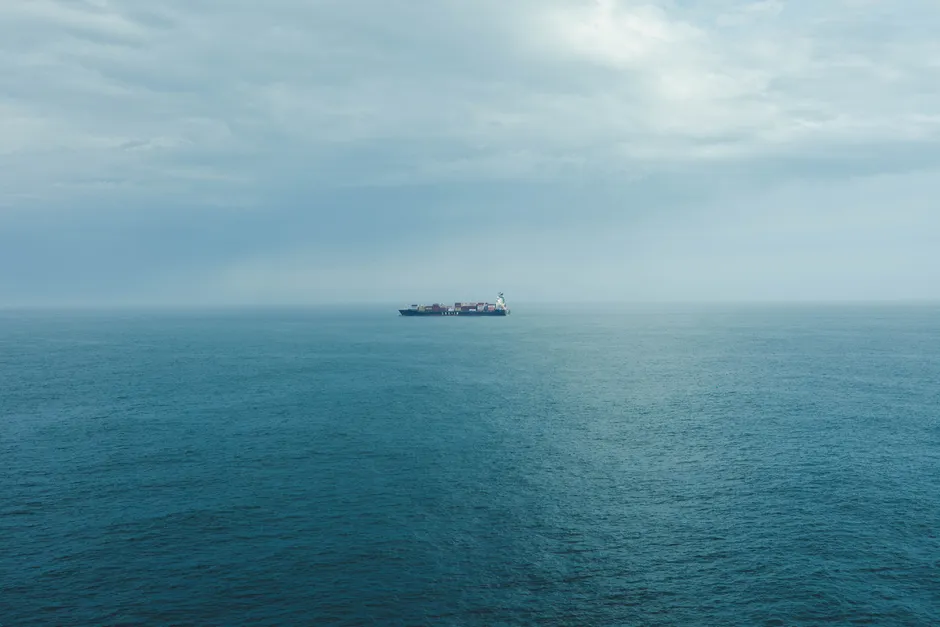
Donald Trump threatened on July 23, 2026, to use frozen Iranian assets under US control to pay for any damage to ships and cargo transiting the Strait of Hormuz, drawing an immediate condemnation from Tehran and reopening one of the most volatile fault lines in US-Iran relations.
Writing on his Truth Social platform on Thursday, Trump stated that damages would be paid for by "Iranian Money that the United States has in its possession, and controls." He described the seizure of Iranian assets as "the fair and equitable thing to do" (Al Jazeera).
Iranian Foreign Minister Abbas Araghchi fired back the following morning. In a post on X on Friday, July 24, Araghchi condemned the comments, calling the seizure of another country's assets to "pay for unrelated future claims" an "incendiary precedent." He warned that "once governments normalise confiscation, no one's assets are safe" and that the "ensuing chaos will not be pretty or peaceful" (Al Jazeera).
The exchange lands on terrain that was already contested. The frozen assets had been a central issue in a memorandum of understanding signed between Tehran and Washington in June 2026 as a pathway to end the war. That MoU has since collapsed. In a CNN interview published June 5, 2026, Mohsen Rezaei, an adviser to Iran's supreme leader, said talks between the two governments were deadlocked over $24 billion in frozen Iranian assets and warned that the impasse could lead to a wider war (CNN).
The scale of the frozen assets is substantial. Some estimates put the total at approximately $100 billion (Al Jazeera). The US first froze Iranian funds in 1979, after American citizens were taken hostage at the US embassy in Tehran. During Trump's previous presidency, tens of billions of dollars worth of Iranian funds were locked in overseas financial institutions.
The assets are not concentrated in a single jurisdiction. Iran has more than $7 billion in funds for oil shipments frozen at two South Korean banks, the Industrial Bank of Korea and Woori Bank, under US sanctions (Iranian Ministry of Foreign Affairs). In 2022, Iran paid its delinquent United Nations membership fee using a portion of those frozen funds in South Korea. The Iranian ambassador to Seoul later confirmed the $7 billion figure publicly and urged Korea to release the funds (Iranian Embassy in Seoul).
More recently, Iran's Consulate General in Hong Kong published a press statement on July 20, 2026 asserting that the release of Iran's frozen assets was being obstructed by conditioning their return on the exclusive procurement of American goods (Iranian Consulate in Hong Kong).
The broader context here is that Trump's Truth Social post does not merely restate existing sanctions policy. It articulates a framework for unilateral asset confiscation tied to a hypothetical future event, damage in the Strait of Hormuz, rather than to any adjudicated legal claim. The distinction between freezing assets, which suspends access pending resolution, and seizing them outright, which transfers ownership, is central to the international legal debate Araghchi is invoking. The US has historically operated freezes under executive authority and sanctions architecture, while outright seizures have required specific legal mechanisms, often tied to terrorism judgments or congressional authorization.
Araghchi's language about normalizing confiscation is calibrated to resonate beyond the bilateral US-Iran dispute. The principle of sovereign asset immunity, the idea that one state cannot simply expropriate another's property without a recognized legal basis, underpins the global financial system's willingness to park central bank reserves and sovereign funds in foreign jurisdictions. If Washington were to unilaterally redirect frozen Iranian assets to compensate private shipping interests, it would test the line between sanctions enforcement and confiscation in ways that could unsettle other sovereign asset holders watching from Beijing to Riyadh.
The collapse of the June MoU removes whatever diplomatic scaffolding had previously contained the asset dispute within a negotiation framework. Rezaei's June warning that the deadlock could lead to a wider war now reads as a preamble rather than a worst-case scenario. With the Strait of Hormuz carrying roughly a fifth of global oil consumption, any incident there, whether a targeted interception or a cargo fire, would give Trump the pretext he has publicly described.
Whether Trump's statement constitutes a policy directive or a rhetorical positioning remains unclear. What is clear is that both sides have now placed the frozen assets question at the center of their public posturing, and neither has signaled a pathway back to the negotiating table that collapsed in June.