Gironde Wildfire: 220,000 Evacuated as Saumos Fire Sweeps Toward Lège-Cap-Ferret
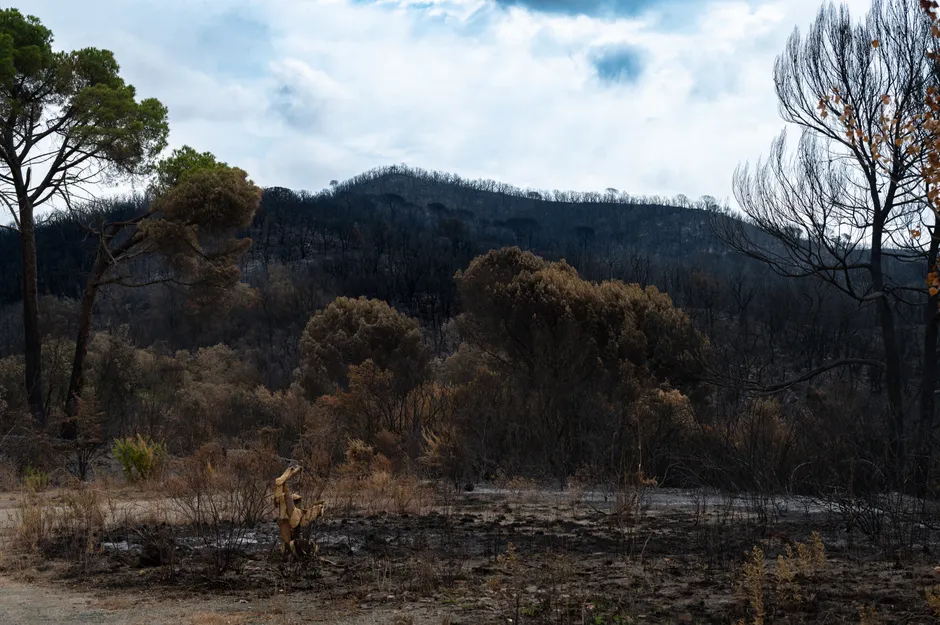
A forest fire declared on July 22, 2026, on the commune of Saumos in Gironde burned an area four times the size of Paris and forced 220,000 people to evacuate, according to Interior Minister Laurent Nuñez (PBS NewsHour). The fire progressed northwest toward the communes of Le Porge and then Lège-Cap-Ferret, triggering mass evacuations across the Atlantic coast peninsula.
By 21h00 on the day the fire started, it had already consumed more than 800 hectares of forest (Gironde Prefecture). The Gironde department had been placed under orange forest-fire vigilance (vigilance orange feux de forêt) during the incident (Gironde Prefecture).
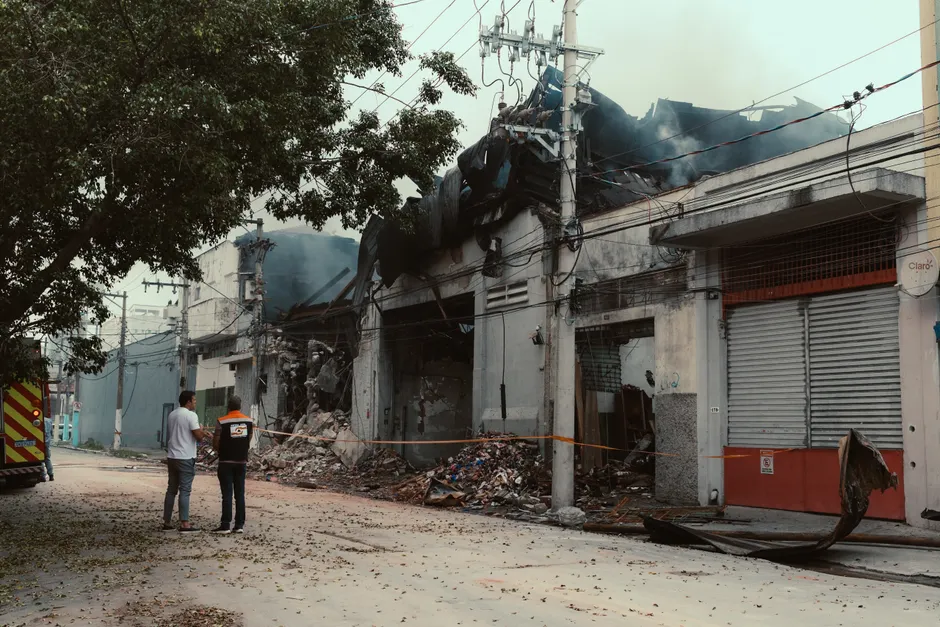
Le Porge bore the brunt of the civilian impact. The town was evacuated as flames approached, forcing the majority of its 3,500 residents to leave their homes. The French national police (police nationale) was mobilized across Gironde, a department facing numerous fires simultaneously, including at Le Porge and several campsites (Police Nationale).
Firefighters contained the vast wildfire in southwestern France by early August, allowing nearly 200,000 people to return home (ABC News). Reintegration was authorized on Monday, August 3, for the communes of Lège-Cap-Ferret and Le Porge, with the exception of all campsites, which remained off-limits (Gironde Prefecture). The prefecture also issued an attestation form for Le Porge residents related to the wildfire situation, likely serving insurance and administrative purposes.
The gap between the 220,000 evacuees cited by Interior Minister Nuñez and the nearly 200,000 who returned after containment suggests a residual population still displaced or otherwise unable to return, particularly in campsite areas and zones where the fire's perimeter had not yet been fully secured. The exclusion of campsites from the reintegration order is consistent with the elevated risk profile of these facilities, which are typically embedded in densely forested areas and serve transient populations whose evacuation and re-entry pose distinct logistical challenges.
The mobilization of the police nationale alongside firefighting services reflects a multi-agency crisis response architecture in which law enforcement handles evacuation enforcement, perimeter security, and re-entry control. The Gironde prefecture's communication throughout the incident, via situation updates and formal attestation documents, indicates a coordinated information-management strategy. The reintegration authorization, issued as a formal prefectural communiqué rather than a rolling advisory, signals a structured transition from emergency response to recovery.
Gironde has experienced significant wildfire events in recent years, and the Saumos fire fits a pattern of large-scale forest fires in southwestern France's pine-dominated landes landscape. The commune of Saumos sits within the Landes de Gascogne forest, Europe's largest man-made woodland, where monoculture maritime pine plantations create high fuel loads and rapid fire propagation corridors. The fire's progression from Saumos toward Le Porge and Lège-Cap-Ferret followed a northwest axis along the peninsula separating the Atlantic Ocean from the Arcachon basin, a trajectory that placed both permanent residents and seasonal tourists in its path during peak summer occupancy.
The placement of Gironde under orange vigilance during the incident aligns with Météo-France's tiered alert system, where orange denotes a dangerous meteorological event requiring heightened preparedness. That the fire escalated from ignition to over 800 hectares within a single day, under a vigilance level short of the maximum red alert, raises questions about the calibration of threshold-based warning systems relative to observed fire behavior. The rapid spread also underscores the operational limitations of pre-positioning resources under intermediate alert levels, particularly in a department confronting multiple simultaneous ignition points.