Iran and Israel Pause Fighting, But the Deal Is Fragile—Here's What It Means for Your Money

Iran and Israel Pause Fighting, But the Deal Is Fragile—Here's What It Means for Your Money
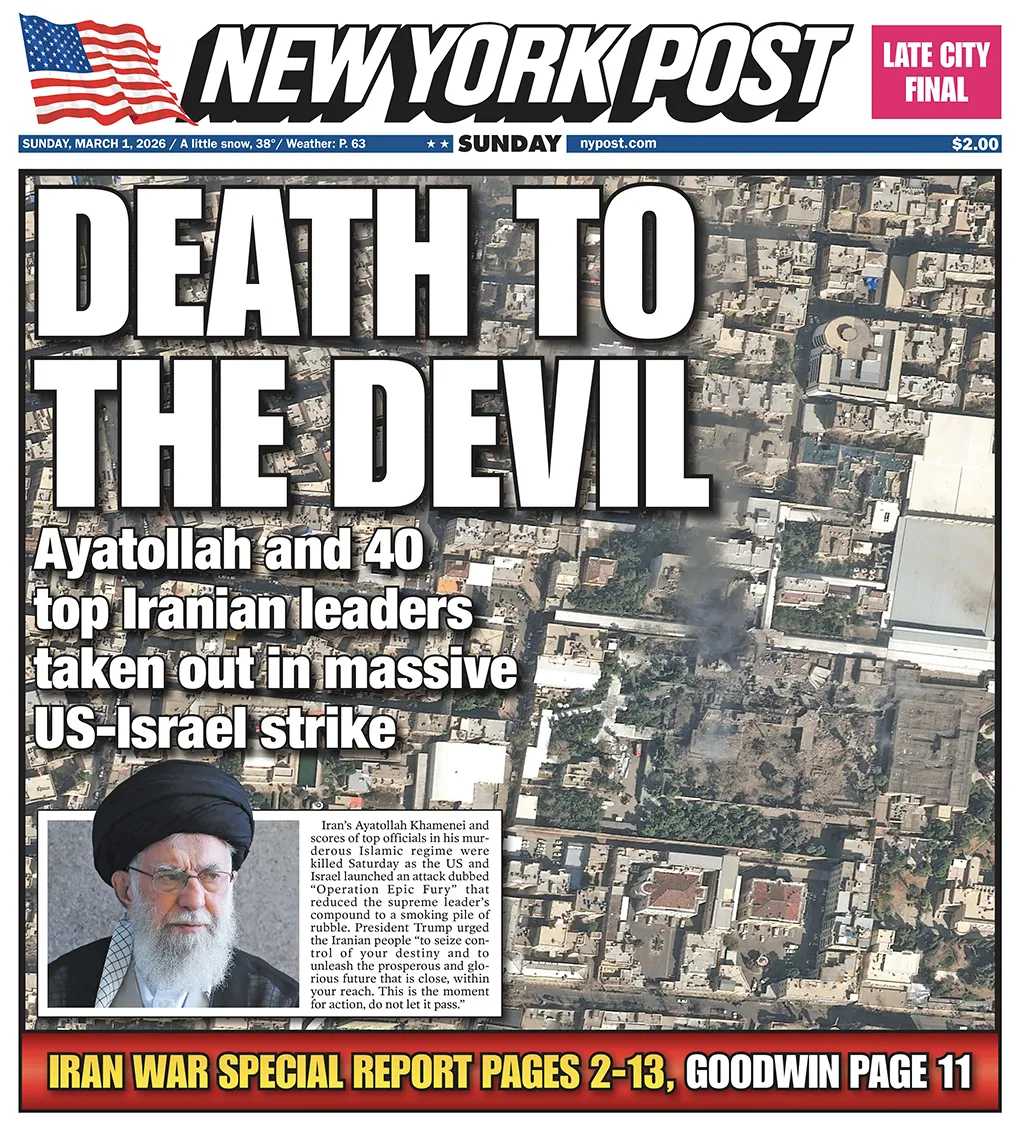
On June 8–9, 2026, Iran and Israel announced they had stopped attacking each other. This came after their first direct exchange of missiles since April 2026, when both countries agreed to a ceasefire framework, according to Reuters and AP.
But don't mistake this pause for a lasting peace deal. Both sides have simply agreed to step back and reactivate an agreement that was already showing cracks. This has happened before—and it could happen again.
The Agreement in April: What Was Actually Decided
On April 8, 2026, the White House announced that Iran and Israel had agreed to stop striking each other. The deal included reopening the Strait of Hormuz—a critical shipping route we'll come back to. On the same day, Israel's government said it would pause its attacks on Iran for two weeks, with one major caveat: the ceasefire did not apply to Hezbollah, a militant group based in Lebanon.
That caveat matters enormously. Israel was explicit that it reserved the right to keep fighting Hezbollah while claiming the ceasefire with Iran applied elsewhere. This contradiction—ceasefire with Iran, but open season against Hezbollah, which Iran backs—is the weak point in the whole arrangement.
A separate ten-day ceasefire between Israel and Lebanon was announced on April 16, 2026 at 17:00 EST, per the State Department, to allow time for negotiations.
The Deal Starts to Break: Early June 2026
By the first week of June 2026, both sides were accusing each other of violations.
On June 2, Iran's Foreign Ministry accused the United States and Israel of breaking ceasefire terms. On the same day, Iran's parliament speaker warned that nuclear talks could be suspended if Israeli attacks on Lebanon continued. This warning linked two separate negotiation tracks—Lebanon and nuclear talks—showing Tehran's strategy: comply on one front, and we'll negotiate on the other.
On June 3, the United States, Lebanon, and Israel issued a joint statement from high-level talks. The fact that the three were talking together suggests the diplomatic machinery is still running, even though the ceasefire was fraying.
Iran's Foreign Minister, Abbas Araghchi, called the original U.S.-Israel strikes a failure and said Iran was ready to talk—but only if there was genuine mutual respect. This pattern—tougher rhetoric on one hand, diplomatic doors left open on the other—is how Tehran has operated since spring.
Why the Strait of Hormuz Matters to Your Wallet
This might sound like distant politics, but there's a direct line from this conflict to your energy bills and investment returns.
The Strait of Hormuz is a narrow waterway between Iran and Oman. Roughly 20% of all oil traded globally passes through it. When Iran closed the Strait in March 2026 following U.S. and Israeli strikes, oil and gas prices jumped sharply, compounded by an Iranian attack on Qatari energy infrastructure. A sustained closure isn't just an inconvenience—it's a major supply shock that ripples through the entire global economy.
In plain terms: if the Strait stays closed, energy is scarcer and more expensive. When energy gets expensive, inflation rises and economic growth slows. Central banks then face a bind: raise interest rates to fight inflation (which slows the economy further) or hold steady and risk inflation spiraling. A March 2026 Bloomberg analysis laid this out directly.
The reopening of the Strait as part of the April ceasefire agreement was therefore not just diplomatic theater. It was the single most important economic relief valve in the whole deal—the act that removed the acute risk premium (extra charge) that traders had built into oil prices.
We Have Seen This Pattern Before
This isn't the first time a ceasefire has held on paper while the ground situation remained contested. The 2006 Lebanon War between Israel and Hezbollah ended with a UN Security Council resolution that was formally agreed to but immediately disputed on implementation. Both sides claimed the other was breaking the rules, yet the written framework stayed in place.
The current situation has the same fragile quality. The April 2026 ceasefire is nominally intact, re-stabilised by the June pause, but operationally disputed. The Hezbollah carve-out creates a legal and military grey zone that nobody has resolved.
Where Things Stand Now
The June halt simply restores the April status quo. It does not solve the Hezbollah question, which remains the most immediate flashpoint. It does not erase Iran's stated willingness to retaliate if the ceasefire is broken. And it does not address the nuclear diplomacy track, which Iran has explicitly tied to Israeli conduct in Lebanon.
For people watching their investments and energy costs, the key questions are: Does the Strait of Hormuz stay open? Can the Israel-Lebanon ceasefire hold? And is there real progress on the U.S.-Iran diplomatic channel?
Back in March 2026, Israel laid out its core demand plainly: Iran must stop striking countries in the region. That condition remains outstanding. The ceasefire framework built on it is still standing—but only barely.
The fundamental problem is not new, and it has not been solved: Israel says it will keep fighting Hezbollah, Iran backs Hezbollah, and neither side has agreed to change that arrangement. Until one side negotiates differently or one side uses force to break the stalemate, the risk of another escalation—and another potential shock to oil prices and your wallet—stays higher than it would in a genuine peace.