A Massive Earthquake Raised Mindanao's Seabed — Here's What That Means

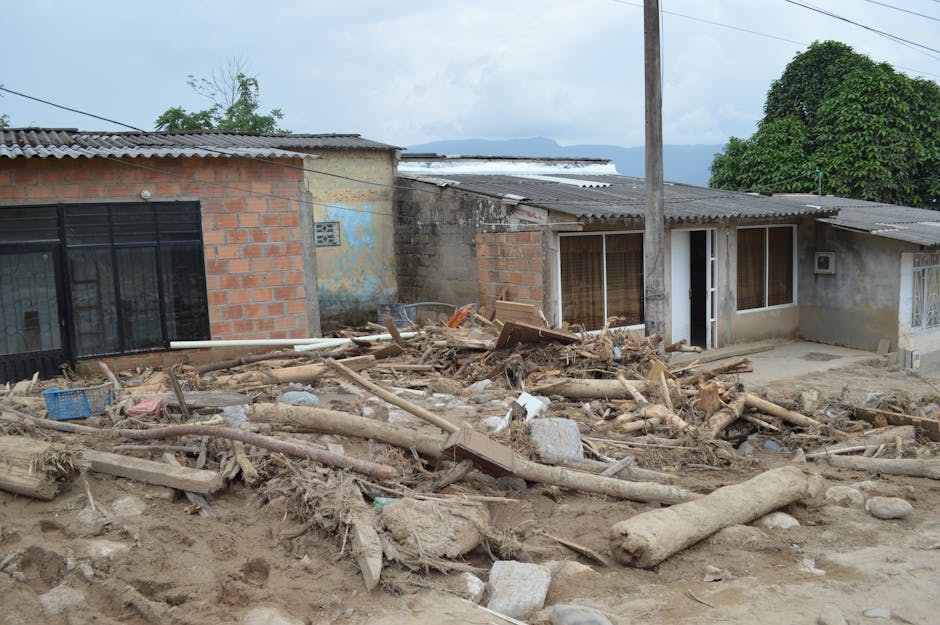
On June 8, 2026, a major earthquake struck south of Mindanao, killing at least 61 people and destroying buildings in General Santos City. Something unusual also happened: the seabed rose by up to two metres and stayed there.
The USGS located the earthquake's centre 26 km southwest of Kablalan, in Sarangani province. Initial damage forecasts were lower than what actually occurred. By June 14, The Straits Times and the Japan Times reported on the extent of coastal changes, and PHIVOLCS confirmed that the shoreline had retreated as the land beneath it rose.
Why Did the Seabed Rise?
When two pieces of the Earth's crust collide, one often slides up and over the other — like a credit card being pushed under a table. That's what happened here. The Philippine Sea Plate and the Eurasian Plate collide near Mindanao at roughly 8–10 cm per year. When the pressure built up enough, one section suddenly thrust upward, lifting the seafloor with it.
A two-metre rise in the seabed is not small. It changes the underwater landscape, can expose shallow coral reefs, and can strand fish farms that were floating in deeper water the day before. The land along the coast also moved seaward — the shoreline effectively retreated because the ground beneath it had been pushed higher.
The Damage on Land
General Santos City was hit hardest. Older buildings made of brick and stone collapsed more easily than newer structures. The ground itself made the shaking worse — softer soil, like alluvial clay near the bay, amplifies earthquake motion the way a trampoline amplifies a jump.
At least 61 people died, though that number may rise as rescue crews finish searching collapsed buildings. Initial earthquake reports came out within minutes, but the full picture of damage took days to emerge.
What Happens Now
After a very large earthquake, smaller earthquakes called aftershocks follow — sometimes for months. These can be strong enough to collapse buildings already weakened by the main quake. That is the biggest risk over the coming weeks.
The seabed uplift also matters for tsunamis. When the seafloor moves upward by two metres, it can push the ocean and create a tsunami. The records available so far don't confirm whether a tsunami occurred on June 8, but PHIVOLCS, which monitors the Pacific, would have sent warnings immediately if one started.
The Mindanao region has experienced major earthquakes before — in 1976 and 2019. Those events led to better building codes and warning systems. This 2026 earthquake will lead to even stricter rules about how and where coastal buildings can be built.