China Tests Nuclear-Armed Submarine Missile in the Pacific
China Tests Nuclear-Armed Submarine Missile in the Pacific
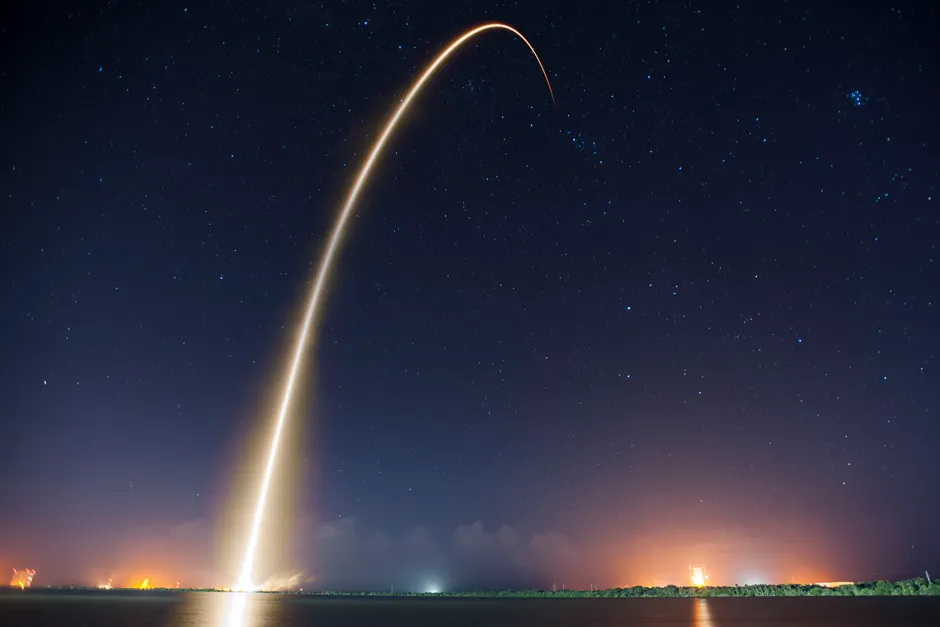
China's military launched a submarine-based nuclear missile over the Pacific Ocean on July 6, 2026, and announced it publicly the same day. The launch was confirmed by Xinhua News Agency, the state news outlet, in a report from reporters Yu Xiaoquan and Sun Fei.
The missile was a submarine-launched ballistic missile, or SLBM — basically, a nuclear weapon fired from underwater rather than from land or air. The missile carried a test warhead: a dummy payload built to match the weight and shape of a real nuclear weapon, with sensors inside to measure how the system performed. No actual nuclear warhead was involved.
Why the announcement matters
For decades, China has kept its nuclear weapons program largely secret. The military rarely confirms when it tests these missiles, and when it does, it waits weeks or months before saying anything. A same-day public announcement is unusual. It suggests the test was not something Beijing wanted to hide — in fact, the opposite.
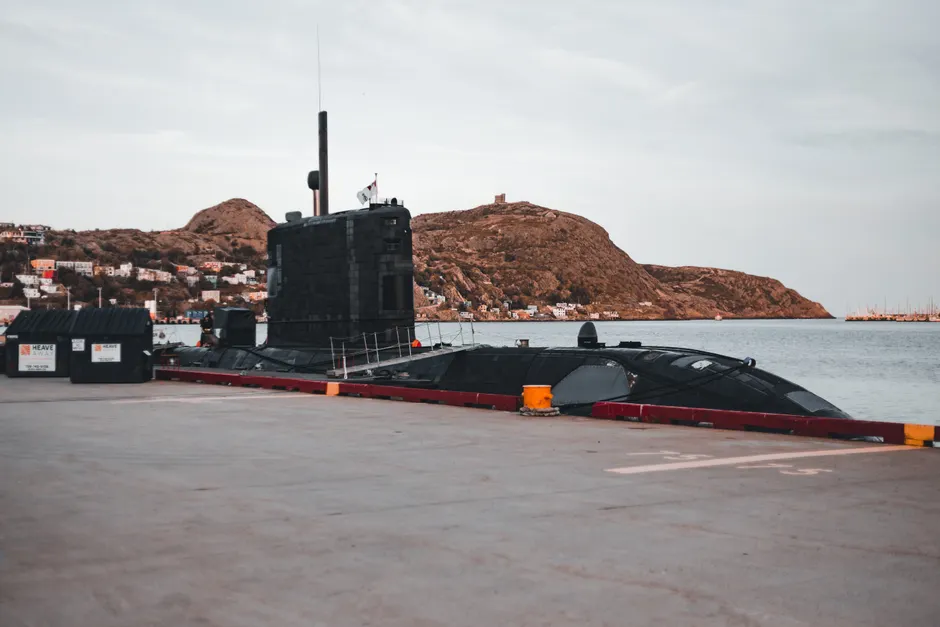
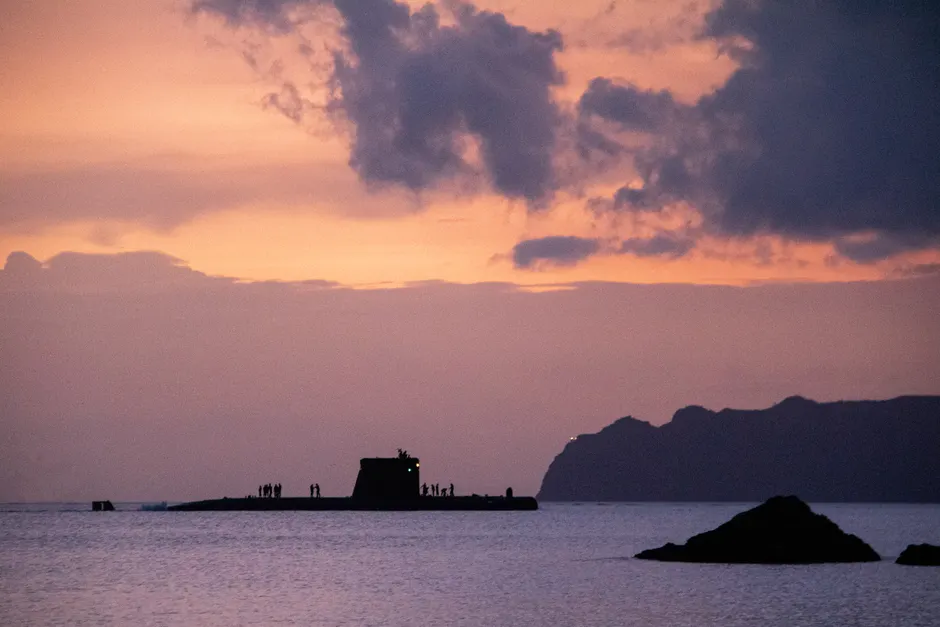
The submarine type and missile model were not specified in the announcement. China operates Jin-class submarines, which carry the JL-2 missile. Newer submarines under development are expected to carry the more advanced JL-3. Both types are central to how China plans to maintain a nuclear deterrent that survives a first strike by another nation.
What this test involved
A training simulation warhead is standard practice for this kind of test. It lets the military check whether the entire system works — whether the submarine can launch properly, whether the missile flies correctly, whether crews are trained and ready — without needing to test an actual nuclear weapon. Think of it like a flight simulator for pilots: it validates the system without the real stakes. These tests are different from live warhead trials, which weapons treaty monitors can distinguish.
The Pacific is a natural testing ground. Its vast open waters provide space to fire a missile its full distance without endangering populated areas, and they allow China to place instruments downrange to collect data on how the missile performs.
The strategic picture
China has been expanding its underwater nuclear force over the past decade. The reason is fundamental to how nuclear deterrence works: if a country can hide submarines with nuclear missiles in the ocean, the thinking goes, an enemy cannot destroy them all in a first strike. This gives a country the ability to strike back even after being attacked. China has historically relied on land-based missiles, which are easier to target and destroy. Submarines are mobile and harder to find, so they offer greater security.
U.S. military command in the Indo-Pacific region, along with allied intelligence services, have been closely watching this expansion. They track how many submarines China has, how often they sail, and how reliable their missiles are.
What comes next
The open announcement itself sends a message. Unlike the secrecy that has surrounded most of China's nuclear build-up, a public announcement — especially one timed and released deliberately — is similar to how the United States and Russia have long announced their own strategic military exercises. It could signal that China is shifting toward more transparent messaging about its nuclear capabilities, as a way to deter war by making its strength clear. Or it could be a one-time decision tied to current political conditions. The official announcements do not explain which.
No U.S. or allied government statement had been released at the time this was reported. The test will almost certainly be studied by Pentagon analysts in light of current tensions over Taiwan, broader U.S.-China competition, and China's ongoing nuclear modernization — all subjects the Pentagon regularly reports to Congress about.
How Washington and its allies respond — whether through formal diplomatic protests, behind-the-scenes talks, or public statements — will itself send a signal about how they view the current state of the U.S.-China relationship. The test and the response to it are both forms of communication in a tense strategic relationship.