China Tests Submarine Missile in Pacific Ocean—Here's Why That Matters
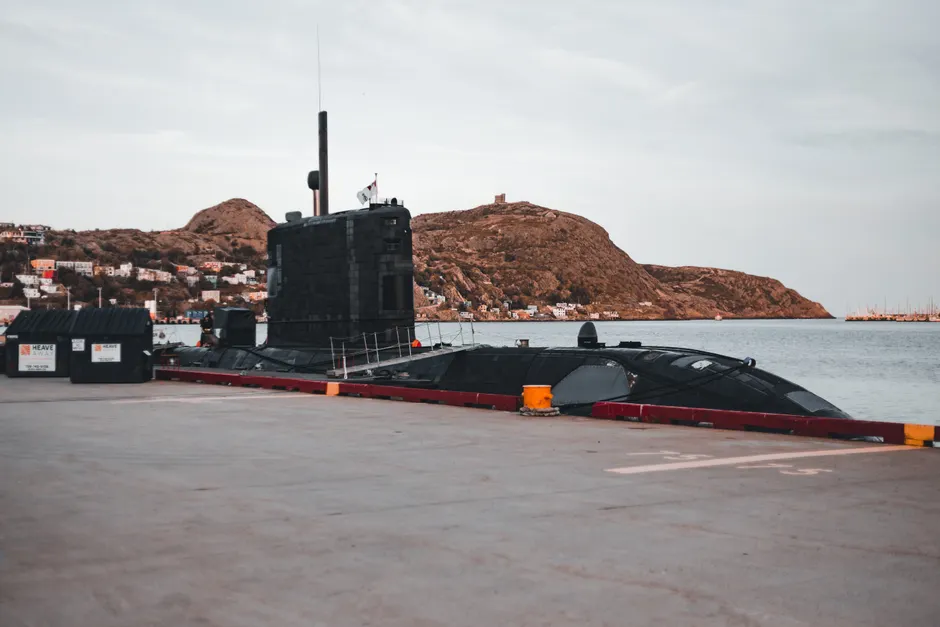
China announced Monday that its military tested a submarine-based missile in the South Pacific. The test, confirmed by China's Ministry of National Defense, launched from a nuclear-powered submarine in the South China Sea at 12:01pm and sent a missile carrying a dummy warhead across the Pacific Ocean.
A submarine-launched missile is a weapon fired from under the water, which makes it powerful for military strategy: submarines can hide beneath the ocean, making them difficult to attack first. This test checked whether China's submarines can reliably deliver these weapons — a core part of any country's nuclear deterrent.
Australian news outlets reported China was preparing this test just 24 hours before it happened, according to Reuters. This suggests news of the test spread quietly through defense circles in the region even though the exact timing stayed secret. The test coincided with the start of a large China-Russia naval exercise called "Joint Sea-2026" based in the eastern Chinese port of Qingdao, CBS News reported.
The timing matters because Australia was simultaneously working on new defense agreements with Pacific Island nations, according to The New York Times. Australia and the Solomon Islands responded quickly. Within one day of the test, the two countries issued a joint statement criticizing China and pledged to strengthen their security relationship, Reuters reported.
This is China's second publicly announced long-range missile test into the Pacific in less than two years, according to The Guardian. That is unusual. China normally keeps its military missile tests secret. The fact that China announced this one publicly suggests Beijing wanted the world to know about its capabilities.
Here is what stands out: China could have tested this missile quietly, as it has done with most tests in the past. Instead, it chose to tell the world. That choice itself is the real story. Announcing a missile test—especially during a time when the United States and its allies are building closer ties with Pacific Island nations—sends a message about China's military power and reach. It is a way of signaling strength without firing at anyone or causing physical harm.
The quick response from Australia and Solomon Islands tells us something as well. Both countries had prepared statements to release immediately after the test. That tells analysts these governments saw the test coming and took it seriously. It was not a surprise or a minor event.