US Marines Board a Ship at Sea as Fighting With Iran Escalates

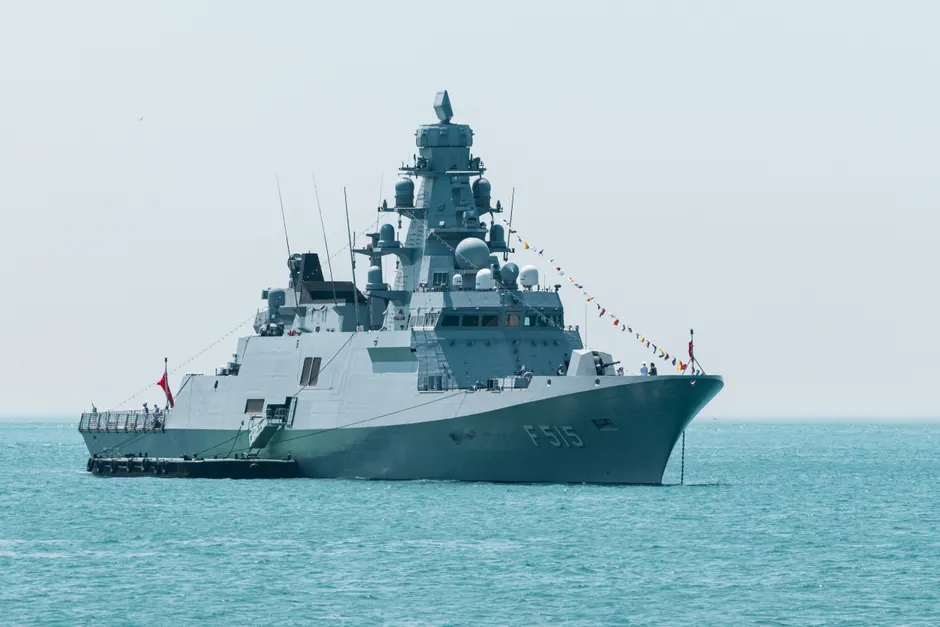
US Marines boarded an oil tanker called the M/T Wen Yao in the Gulf of Oman on July 16, 2026. The US military said it was a "verification boarding" — meaning troops physically went onto the ship to check whether it was following the rules of a US naval blockade. A blockade is when a military force stops ships from entering or leaving a specific area. US Central Command, the part of the military that runs operations in the Middle East, announced the operation on X, the social media platform.
It was the first time Marines had boarded a ship under this blockade since May 20, 2026, when another tanker, the M/T Celestial Sea, was boarded and let go in the same waters.
The blockade started at 8pm GMT on Tuesday, July 14, 2026. Since then, the US military says it has turned away three commercial ships that tried to pass through. On July 15, a US aircraft fired on and disabled an empty oil tanker that tried to break the blockade.
The area in question includes the Strait of Hormuz, a narrow strip of water between Iran and the Arabian Peninsula. About a fifth of the world's oil normally travels through it. Lloyd's List Intelligence, a service that tracks shipping data, reported that cargo shipments through the strait dropped by almost a quarter in early July. Some ships are turning off their tracking devices so others cannot see where they are. Many vessels are not moving at all.
The trouble goes back to the spring. Around 1,600 ships and 20,000 crew members were stuck in the Gulf as of April 13, 2026. At least three tankers were damaged and one crew member was killed around March 1, when Iran struck back after US and Israeli attacks on Iran. Oil shipments through the strait had briefly recovered after the US and Iran signed a ceasefire — an agreement to stop fighting — in June 2026. The current fighting wiped out those gains.
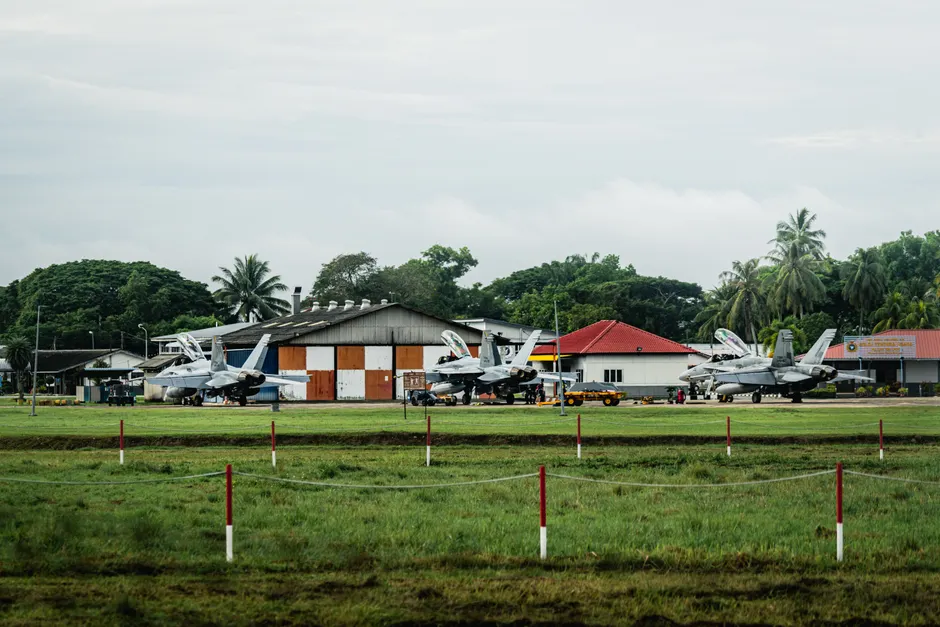
On the same day as the boarding, the US expanded its airstrike campaign. Strikes on July 16 hit areas around Tehran, Iran's capital, and Semnan province, where Iran builds ballistic missiles and runs its space program. US aircraft also struck several other provinces and Qeshm Island. The bombing has now lasted six nights in a row as of July 16. A wave of strikes on July 12 hit more than 80 military targets in Iran. US forces destroyed a port tower and several bridges. At least seven people were killed in strikes on bridges in the southern city of Bandar Khamir. In Bandar Abbas, a strike on a residential neighborhood wounded seven people; an attack on the city's train station wounded two; and two bridges west of the city were hit, killing three and wounding nine.
Iran has fired back beyond its own borders. Tehran launched attacks on Bahrain, Qatar, and Kuwait in response to the expanded airstrikes. Kuwait was hit by missiles and drones on July 16 and early July 17. Reporters from the news agency AFP in Doha, Qatar's capital, said they heard several explosions early on July 17. Officials there warned that the security threat level was "elevated." Bahrain's government told citizens to take shelter on July 17. Iranian state media said Iran's army was targeting US helicopters and planes at a military base in Bahrain.
More groups are getting pulled in. Reuters reported that Iran asked the Houthis — an armed group that controls part of Yemen — to be ready to shut down the oil shipping route through the Red Sea if the US attacks Iran's energy infrastructure. Saudi Arabia bombed the airport in Sana'a, Yemen's capital. In response, Houthi leader Abdul Malik al-Houthi threatened to attack Saudi oil and critical facilities if Saudi Arabia got involved in Yemen. Houthi missile strikes on Saudi Arabia followed.
The bigger picture is worrying. With fighting now spreading between Saudi Arabia and the Houthis, Iran attacking three neighboring countries, and the US blockade still in place, the conflict could expand across several areas at once — the Strait of Hormuz, the Red Sea, and the Persian Gulf coast.
In a primetime address on July 16, Donald Trump said the US was "winning big in Iran." The speech came as the airstrikes expanded to include bridges, a port tower, a train station, and a residential neighborhood. The growing list of targets and the rising casualties on both sides suggest the June ceasefire has been fully replaced by an ongoing military campaign with no announced plan to wind it down. For shipping companies, the boarding of the M/T Wen Yao means the blockade is now being enforced by physically boarding ships that may not be complying, not just by turning them away or disabling them as happened earlier in the week.