Severe Storms Hit Chile: What Happened and Why It Matters

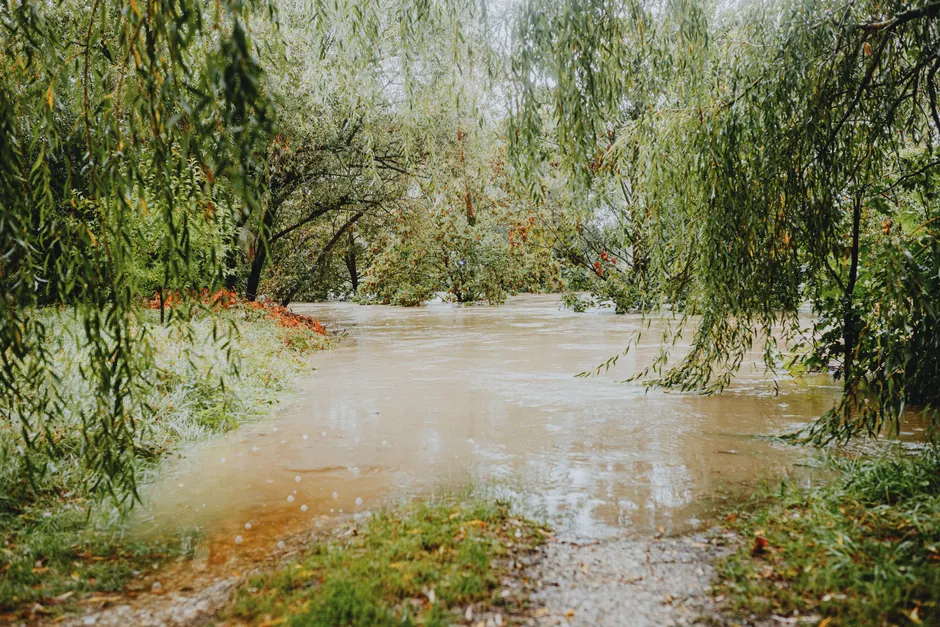
At least three people have been killed and hundreds forced from their homes after heavy rain and strong winds hit central and southern Chile around mid-July 2026. More heavy rain was expected on July 17 (Al Jazeera).
Chile's disaster relief agency, called SENAPRED, reported 466 people in shelters as of July 17. Another 158 people were cut off by rising water, mostly in the Coquimbo region. SENAPRED head Alicia Cebrian said seven people were injured. More than 200 people were evacuated, and about 20 homes were destroyed or badly damaged (Reuters). A storm surge — this is when strong winds push seawater inland onto land that is normally dry — hit Chile's central coast, affecting the Biobío region (Yahoo News).
The three people who died were killed in different ways in different parts of the country. A worker clearing a road was killed in Negrete. A person fell while cleaning a roof in Temuco. A third person was killed by an electric shock in Santiago (Al Jazeera).
SENAPRED ordered people to leave the Campamento Ribera del Rio area near Talagante because river levels were rising. Schools in some areas stopped classes on July 17. Codelco, a large mining company owned by the Chilean government, stopped work above ground at its Andina mine because of the storms (Al Jazeera).
President José Antonio Kast, who took office in March 2026, said on July 17 that he was traveling to the Biobío region to see the flood damage for himself. The floods came less than six months into his time as president. Kast had already been involved in the government's response: on July 14 he checked on improvement work on a canal in Maipú, and on July 15 he visited more drainage works and told the public about preparations for the storm, urging people to take care of themselves (Al Jazeera; Presidencia de Chile).
SENAPRED's update on July 17 at 10:35 AM reported 79 people directly affected in the La Araucanía and Biobío regions specifically (SENAPRED). The agency's larger numbers for shelters and displaced people cover a wider area, including Coquimbo, Santiago Metropolitan, Biobío, and La Araucanía.
The storm hit communities from Coquimbo in the north to La Araucanía in the south — about 1,000 kilometers apart. Codelco's decision to stop work at Andina, one of the country's biggest copper mines, shows the economic side of the disaster. Chile produces more copper than any other country in the world, and the Andina mine is in the Valparaíso Region, which means the storms disrupted mining far from the areas most visibly damaged by floods and seawater.
Why does this matter beyond the immediate damage? Chile's shape and location make it especially vulnerable to big winter storms. The country is long and narrow, squeezed between the Pacific Ocean and the Andes mountains. When storms roll in, the mountains funnel rain into narrow valleys, causing rivers to overflow. At the same time, coastal areas can get hit by seawater pushed inland by the storm. In Biobío, both things happened at once: seawater flooded the coast while rain caused rivers to overflow inland.
The timing is also a test for President Kast, who only took office in March. The president before him dealt with major protests and debates over changing the country's constitution. Now Kast faces a natural disaster early in his term. His visits to check on drainage systems before the worst flooding suggest the government knew the storm was coming and tried to prepare. Whether those preparations were enough, given the lives lost and people displaced, is something SENAPRED and other agencies will likely look into after the event.