Ontario Is on Fire — Here's What's Happening and Why It Matters Beyond Canada
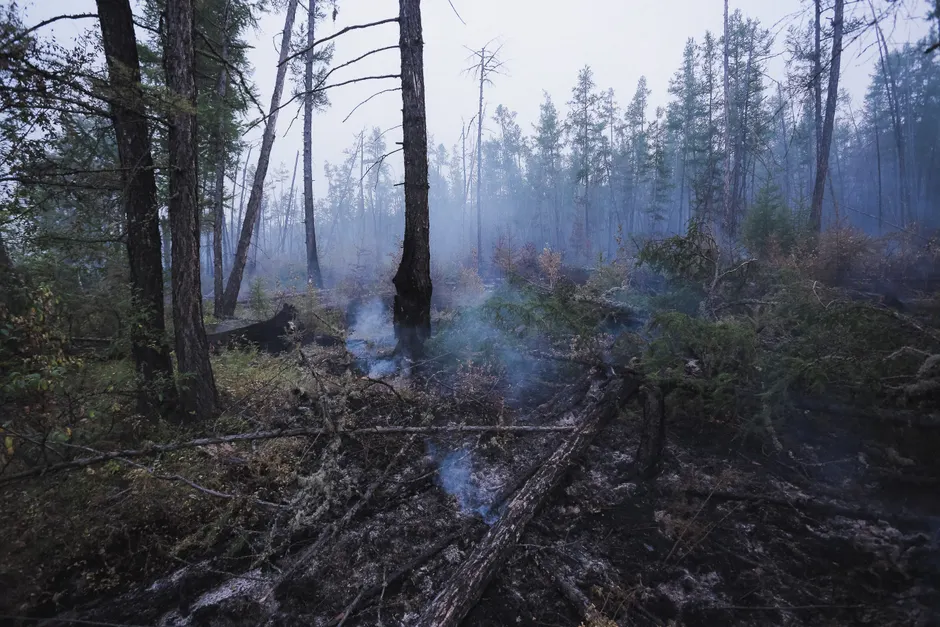
Dozens of wildfires are burning across Ontario and they are not stopping. The fires have forced people to leave their homes, shut down roads, and created dangerous air that stretches from northwestern Ontario all the way into southern Ontario and the United States, the New York Times reported on July 17, 2026 (New York Times).
Ontario's official forest fire website, updated July 17, 2026 at 8:00 p.m. EDT, reported two new wildfires in the Northeast Region. But the most serious situation is in the Thunder Bay-Ignace District. That is where the Fort Frances 14 wildfire has led to a series of emergency orders.
The Ontario Ministry of Natural Resources issued an Implementation Order on July 17, 2026, for areas near the Fort Frances 14 fire. An Implementation Order is a legal order that blocks people from entering certain areas to keep them safe. Think of it like police tape around a dangerous building, but on a much larger scale. This order started at 12:01 a.m. EDT on July 17 and bans all travel on certain roads and Crown lands — lands owned by the government — in the area (Ontario Forest Fires). An Evacuation Order (IO 2026-009-TBI08) — a directive telling people they must leave immediately — was also in effect as of 7:00 a.m. EDT the same day for parts of the Thunder Bay-Ignace District. An expanded Evacuation Alert, which tells people to be ready to leave at any moment, was issued for areas near Fort Frances 14. It covers over 30 townships and many roads. People who need a permit for an exemption can call 807-475-1471.
A shelter for people who had to leave their homes was set up at Fort William Gardens Arena, 901 Miles St E, Thunder Bay. It offers places to sleep, food, water, space for pets, hygiene kits, and medical help. Running a shelter like this is complicated: officials have to move people out of remote areas, keep people off dangerous land, and keep a full-service shelter running in a city building.
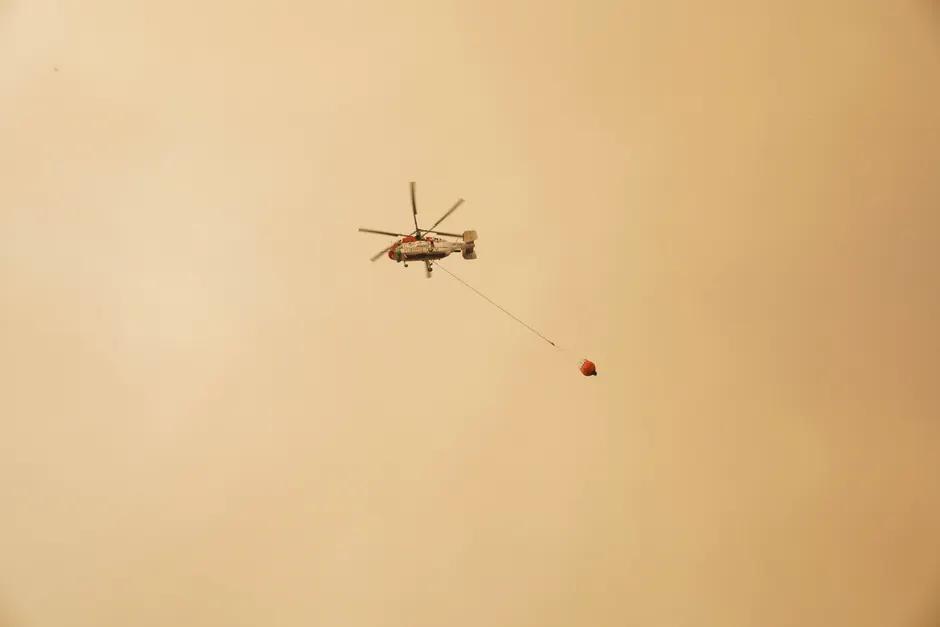
Smoke from the fires has traveled very far from where the fires are actually burning. Environment Canada issued an orange-level air quality warning for Toronto because of smoke from the northwestern Ontario wildfires (CBC). The smoke turned the sky yellow over London, Ontario on July 15, 2026, and heat mixed with smoke to create dangerous conditions across southwestern Ontario (CBC). The smoke also caused poor air quality and made it hard to see across much of southern Ontario (CBC).
The Canadian Press, in a video published July 15, 2026, reported that smoke from the Ontario wildfires reached Toronto. The fires were described as "Out of Control." The report also showed video of a wildfire getting dangerously close to a CN train in Ontario (Canadian Press/YouTube). CBC has published a 2026 Canadian wildfire tracker with maps and charts showing where the fires are, how much land has burned, and how the smoke is affecting air quality (CBC).
The New York Times also reported that health concerns are growing in the U.S. because of smoke drifting from the Ontario fires. This adds a cross-border element to what is already a major emergency across Ontario.
The law behind Ontario's wildfire response changed recently too. On January 1, 2026, the province's Forest Fires Prevention Act was replaced by the Wildland Fire Management Act (ERO Ontario). The new law gives the government the same emergency powers being used right now in the Thunder Bay-Ignace District, including the ability to issue Emergency Area Orders, orders restricting travel on Crown land, and Evacuation Orders.
The broader context here is that this is a crisis happening on many fronts at once. Firefighters are battling blazes in the north. Officials are managing the evacuation of entire communities. Roads are shut down. And the smoke has affected people hundreds of kilometers away from any actual fire. Because the smoke is drifting into the U.S., American health agencies are now dealing with air quality problems caused by Canadian wildfires. The fact that several emergency orders all took effect within hours of each other on July 17 suggests the situation around Fort Frances 14 is changing so fast that the province is adjusting its response almost in real time.