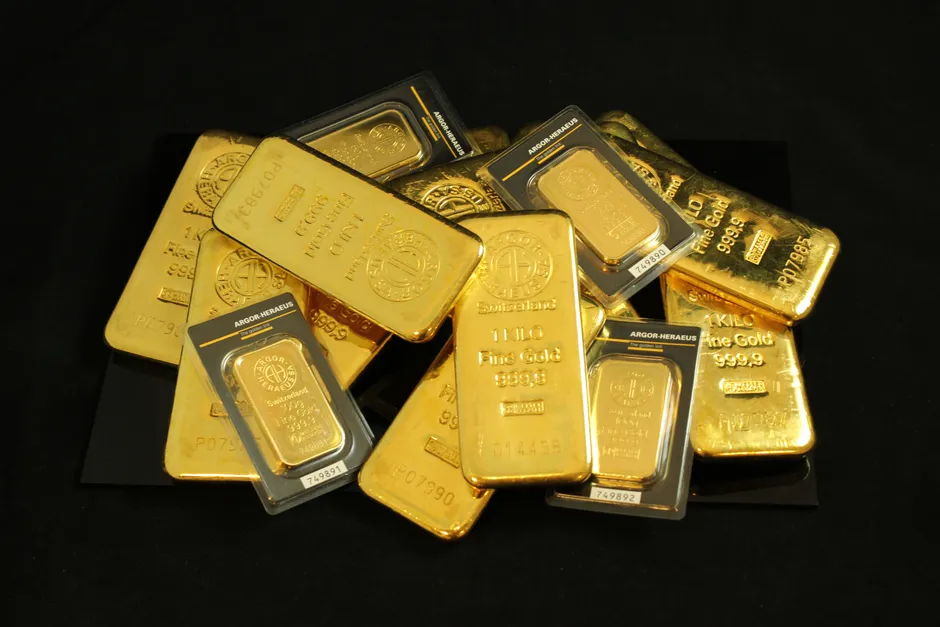
Gold Just Hit $4,000 an Ounce — Here's Why It Matters for Your Money
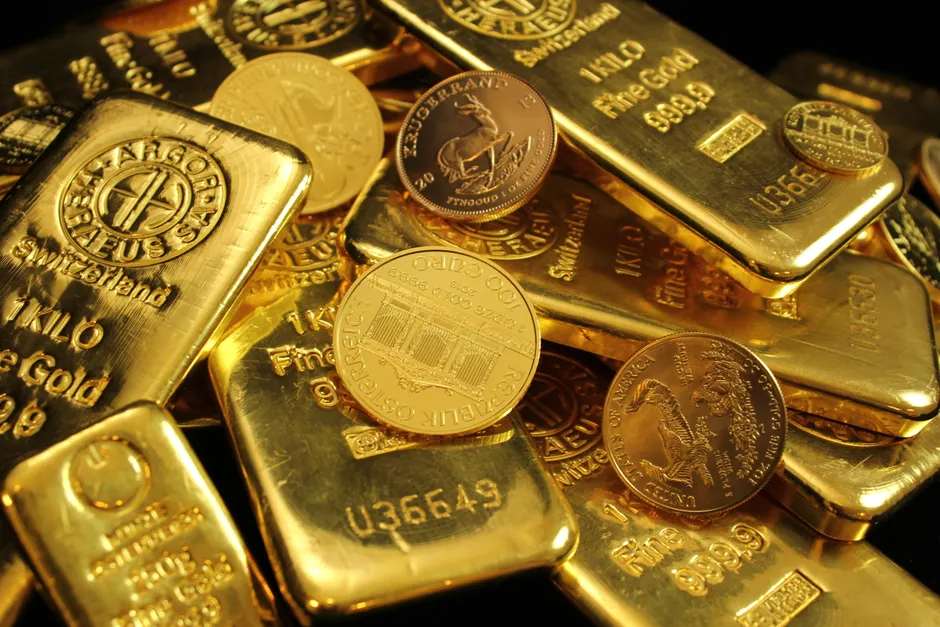
Gold crossed $4,000 per ounce in October 2025, according to Reuters reporting from October 10, 2025 Reuters. An ounce of gold is a standard measurement in the precious metals market. The price had been climbing for months, pushed up by three main forces: central banks (government banks that manage a country's money supply) buying large amounts of gold, strong demand from buyers across Asia, and a combination of lower U.S. interest rates and global political uncertainty. ANZ Research, in its gold outlook published December 16, 2025, predicts the price could reach USD 4,800 in 2026 ANZ Research.
China's central bank started buying gold again in October 2024 after a six-month break, according to ANZ Research's December 12, 2024 note. That followed a buying spree of about 290 tonnes in early 2024, documented by ANZ in a June 2024 report ANZ Research. For context, a tonne of gold is worth tens of millions of dollars. The Q1 figure alone placed the People's Bank of China among the world's biggest sovereign gold buyers. ANZ's February 2025 research then reported China's gold imports at 100 tonnes for December 2024, showing that alongside official government purchases, large amounts were also flowing to private buyers and institutions ANZ Research.
ANZ expects global central bank gold purchases to stay near 800–850 tonnes, a pace that has held since 2022. Their February 2025 research states that central bank buying will continue to anchor gold demand in 2025 and beyond. To put that in perspective, government buying at these levels absorbs about a fifth of all the gold mined each year, which provides a built-in floor under the price that doesn't depend on investors speculating.
Physical demand across Asian retail channels has reinforced the upward price trend, though with some ups and downs. Reuters reported on April 4, 2025 that Chinese physical gold demand rose as trade-war worries drove safe-haven buying Reuters. By August 1, 2025, Reuters noted that demand in key Asian hubs had improved slightly after a price dip, though volatility continued Reuters. The pattern is typical of Asian physical markets: price dips attract bargain-hunters, but sharp rallies temporarily dampen buying. What changed is the type of demand. Reuters reported on January 12, 2026 that investors in China and India have shifted toward purchasing bars and coins rather than jewellery, driven by surging prices that squeezed jewellery makers' margins and pushed consumers toward investment-grade gold Reuters.
ANZ attributes gold's rally to mounting geopolitical, economic, and financial uncertainties combined with the Federal Reserve's cycle of cutting interest rates. The bank's notes span from June 2024 through December 2025, with the most recent projection (USD 4,800 for 2026) an upward revision from earlier targets, though the specific prior figures are not detailed in the available research excerpts. Each successive note from ANZ has either maintained or raised its bullish outlook on gold.
The interplay between physical and speculative demand is worth understanding. As Reuters has reported, while physical demand (people buying actual gold) provides underlying support to prices, speculative trading is what largely drives day-to-day price moves. Think of it like a house: the foundation is built by central banks and retail buyers who take physical delivery, but the market price on any given day is set by traders buying and selling gold contracts on financial exchanges. These include COMEX futures (contracts to buy or sell gold at a set price on a future date), over-the-counter derivatives (privately negotiated contracts), and exchange-traded products like gold ETFs.
The risk for anyone focused only on physical-demand stories is that speculative trading can reverse sharply, even when big structural buyers are still in the market. But it works the other way too: if central banks keep buying 800–850 tonnes a year and Asian retail stays tilted toward bullion over jewellery, any speculative sell-off would hit a higher floor than in past cycles.
The broader question for anyone following gold is not whether it rises from $4,000 but how much of the climb to $4,800 is already reflected in today's price. ANZ's target implies roughly 20% upside from the October level. Whether that is achievable in 2026 depends on the pace of Federal Reserve rate cuts, whether central banks keep buying at projected rates, and whether geopolitical risks stay elevated or ease. What is known: central banks are buying, Chinese imports remain large, and Asian retail has shifted toward investment-grade gold. What is already priced in: the market has factored in a Fed rate-cutting cycle and ongoing geopolitical risk. The gap between what is known and what the market has already accounted for is where the real question lies.