The U.S. and Saudi Arabia Just Made a Nuclear Deal. Here's What's Going On.
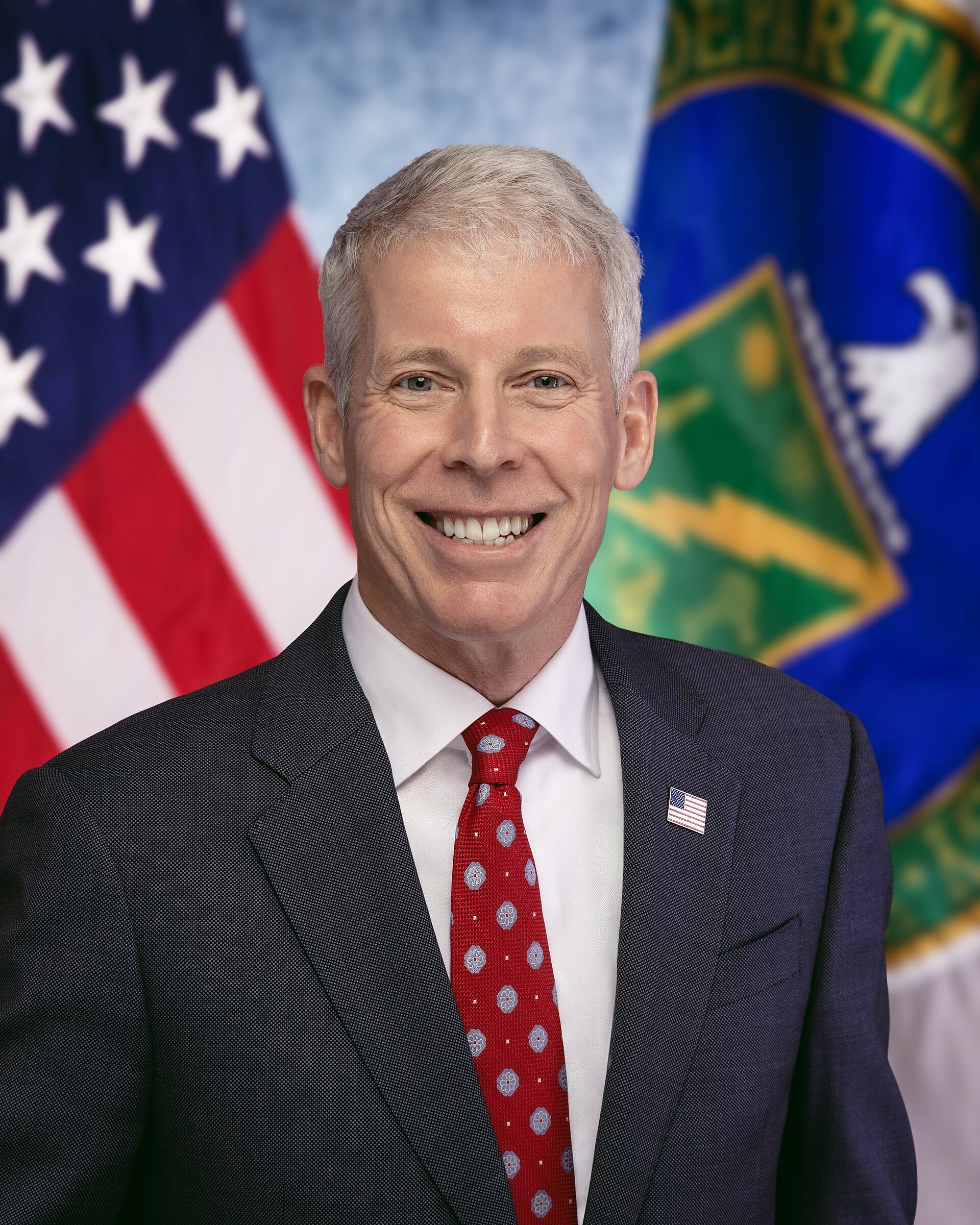
On July 22, 2026, the United States and Saudi Arabia announced an agreement to cooperate on civil nuclear energy. President Donald Trump personally approved the deal, and Energy Secretary Chris Wright called it a "decades-long, multi-billion-dollar partnership" (Al Jazeera).
The agreement is built on something called a "Section 123 agreement," which is the legal permission slip the U.S. needs before it can share nuclear materials, equipment, or technology with another country. It comes with rules: the partner country has to allow inspections, keep the nuclear material secure, and agree to limits on what it can do with spent fuel. A separate safeguards agreement adds another layer of monitoring. But the announcement did not say whether Saudi Arabia would be allowed to enrich uranium — that is, process raw uranium into the concentrated form that fuels nuclear power plants — on its own soil (Al Jazeera).
That question matters a lot. Uranium enrichment is a dual-use technology: the same process that makes fuel for power plants can, at much higher concentration levels, produce material for nuclear weapons. Saudi Arabia has insisted for years on the right to enrich uranium domestically. The United States has resisted that demand, pointing to an earlier deal with the United Arab Emirates in which the UAE agreed to never enrich uranium itself — a benchmark known as the "gold standard."
The biggest detail in the new agreement comes from the Wall Street Journal's reporting: a key provision would have U.S. companies build a uranium-enrichment facility inside Saudi Arabia, but only if a joint U.S.–Saudi study concludes that it is a good idea. If the study gives the green light, it would be a break from the gold-standard approach. The Trump administration said the deal would create U.S. jobs, strengthen global rules against nuclear weapons spread, and deepen the partnership with Saudi Arabia. The agreement now goes to Congress for review, where lawmakers would need a joint resolution of disapproval — a high bar — to block it (WSJ; Al Jazeera).
The two countries have been working toward this deal for a long time. The United States first entered sustained nuclear talks with Saudi Arabia in 2012 (DOE, 2019). In May 2025, they signed an agreement to cooperate on critical mineral supply chains (DOE). A separate nuclear energy cooperation document appeared on the Energy Department's website dated June 30, 2026 (DOE). Secretary Wright and the Saudi energy minister actually signed the civil nuclear deal back in November 2025, according to a DOE retrospective, so this week's announcement formally unveils an agreement that was months in the making (DOE, January 2026).
The deal also fits into a wider regional effort. On June 25, 2026, a U.S.–Gulf Cooperation Council ministerial meeting took place in Manama. The GCC Secretariat has been reviewing a joint U.S.–Gulf program called SMR-FIRST, which helps Gulf states build the regulatory know-how to deploy advanced, smaller-scale nuclear reactors (SPA; SPA). That program shows the bilateral deal is part of a bigger picture of nuclear infrastructure development across the Gulf.
The broader context here is that three things are colliding at once. The U.S. wants to sell its nuclear technology abroad. Saudi Arabia, under its Vision 2030 plan to diversify its economy beyond oil, wants to build large-scale nuclear power plants. And the international system that tries to stop the spread of nuclear weapons has to manage who gets enrichment technology in one of the world's most volatile regions. The deal's enrichment provision, even though it is contingent on a study, will draw scrutiny from nonproliferation advocates and from countries like Israel and the UAE, who may worry it sets a precedent that weakens the gold standard. Congress, which has historically opposed Saudi enrichment ambitions on a bipartisan basis, will now weigh a deal that openly considers allowing it.
The administration's argument is that having U.S. companies on the ground, under U.S. safeguards, is better than letting Saudi Arabia work with other partners under weaker rules. Whether Congress accepts that logic, and whether the joint study ultimately recommends domestic enrichment, will determine whether this agreement strengthens U.S. influence over Saudi Arabia's nuclear program or becomes a flashpoint in the debate over who gets to enrich uranium. Congress can now either let the deal proceed by doing nothing, or try to block it with a joint resolution — setting up a debate that will involve committees overseeing nuclear commerce, foreign affairs, and intelligence.