The US and Saudi Arabia Just Signed a Nuclear Deal — Here's What's Going On
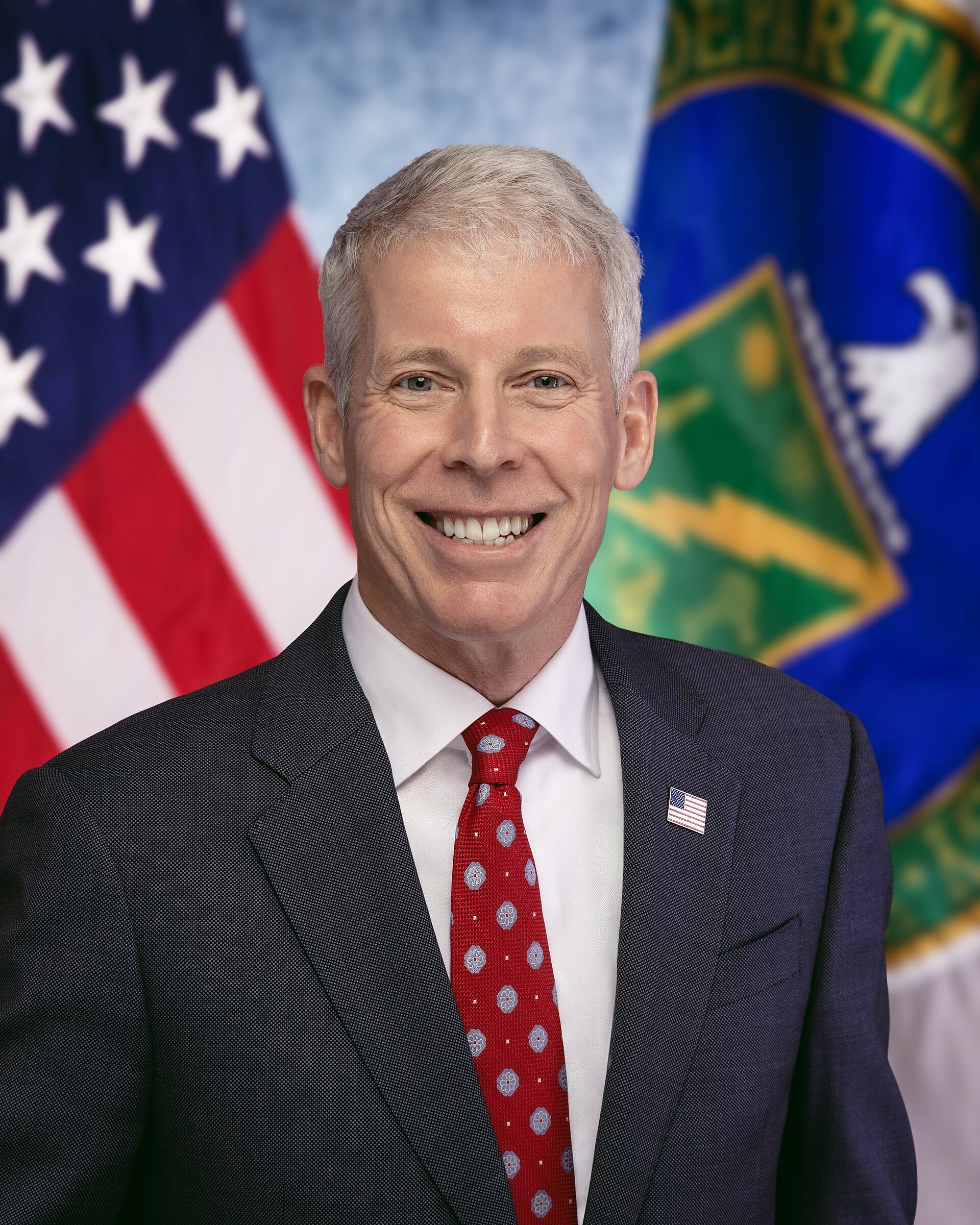
On July 22, 2026, the United States and Saudi Arabia signed a nuclear cooperation deal. This deal creates the legal rules for sending nuclear material, technology, and know-how from the US to Saudi Arabia. US Energy Secretary Chris Wright and Saudi Energy Minister Prince Abdulaziz bin Salman signed two documents: a "peaceful nuclear cooperation agreement" and a "bilateral safeguards agreement," according to The Guardian.
The US Department of Energy announced the partnership the same day, calling it part of a "decades-long, multi-billion-dollar partnership" in a press release at energy.gov. Secretary Wright said the agreements "uphold the highest standards of nuclear safety and nonproliferation" and credited President Trump for an "American nuclear renaissance." The DOE described the deal as a way to sell more American nuclear technology abroad, create well-paying US jobs, and strengthen the country's energy and national security.
CNN described the agreement in a July 17 report as a baseline legal framework that allows US companies or the government to send nuclear material and technology to Saudi Arabia (CNN). A safeguards agreement was signed alongside it. A safeguards agreement is a set of rules and checks meant to make sure nuclear material is only used for peaceful purposes, like generating electricity, and not for building weapons. However, the specific inspections this agreement requires have not been publicly detailed.
The DOE's announcement quoted officials saying: "Today is a historic day for the United States and the Kingdom of Saudi Arabia. We've come together on a deal for civil nuclear cooperation" (DOE). Westinghouse CEO Dan Sumner, in a statement to CBS News, called the deal a "landmark step" for energy security, US industry, and economic growth.
The agreement now heads to Congress for review. Under a law called Section 123 of the US Atomic Energy Act, deals like this one go through a review period during which lawmakers can vote to block the deal. The Guardian reports that the agreement could face pushback from legislators, though the specific reasons for objection have not been spelled out yet.
The timing stands out. The United States is currently at war with Iran. Defense Secretary Pete Hegseth, speaking to the Senate appropriations committee on July 21, 2026, said the conflict has cost $37.5 billion and asked for more funding. Saudi Arabia is a regional rival of Iran. The nuclear deal with Saudi Arabia lands in the middle of this active conflict. The DOE materials do not make any direct connection between the two.
The broader context here is worth understanding. The US and Saudi Arabia have been discussing a nuclear cooperation agreement for years. Past American administrations had to balance Saudi requests for a domestic nuclear energy program against concerns about the spread of nuclear weapons. The Section 123 agreement is the standard tool Washington uses to manage these transfers. It requires the partner country to agree to safeguards, which usually include inspections by the International Atomic Energy Agency and limits on enrichment and reprocessing. Enrichment means concentrating uranium so it can fuel a nuclear reactor, or at much higher levels, be used in a weapon. Reprocessing means extracting plutonium from used reactor fuel. What the safeguards agreement signed alongside this deal actually requires, beyond what Secretary Wright described, will be closely examined by experts who track the spread of nuclear weapons and by congressional staff.
For the US nuclear industry, the agreement opens a door to a market Saudi Arabia has said it wants to build at a large scale. Westinghouse's public support for the deal shows the interest of American reactor manufacturers in selling to Gulf countries. The DOE's emphasis on jobs and exports lines up with the administration's focus on growing American industry.
The congressional review period is the next step. Lawmakers have historically used these reviews to question the nonproliferation conditions, the scope of what technology is being transferred, and the strategic reasons for nuclear cooperation with a given partner. Given the active conflict with Iran and the weight of the Saudi-Iranian rivalry, the review is unlikely to be a formality.