Spain Is on Fire: Why Thousands of People Had to Leave Their Homes

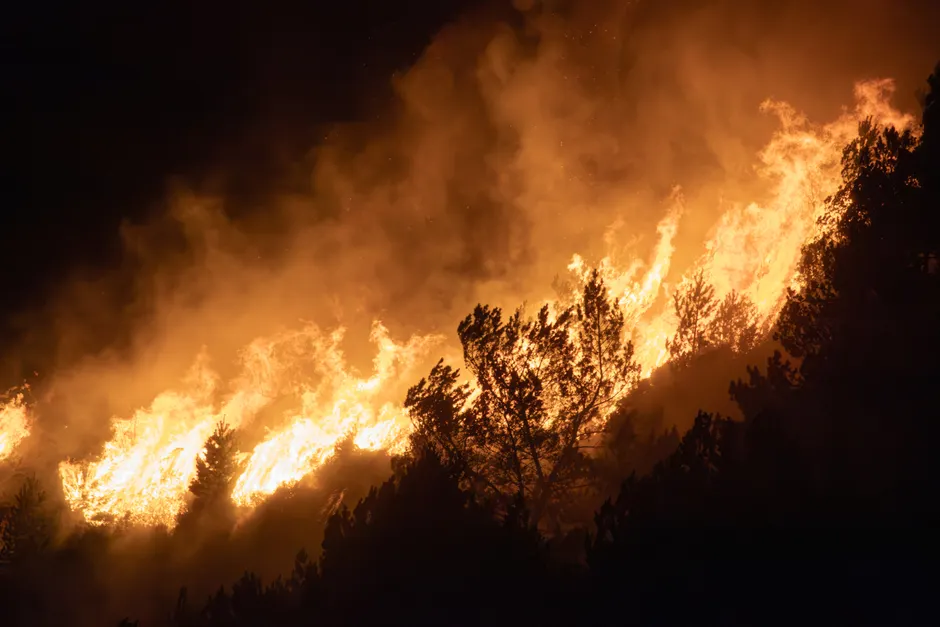
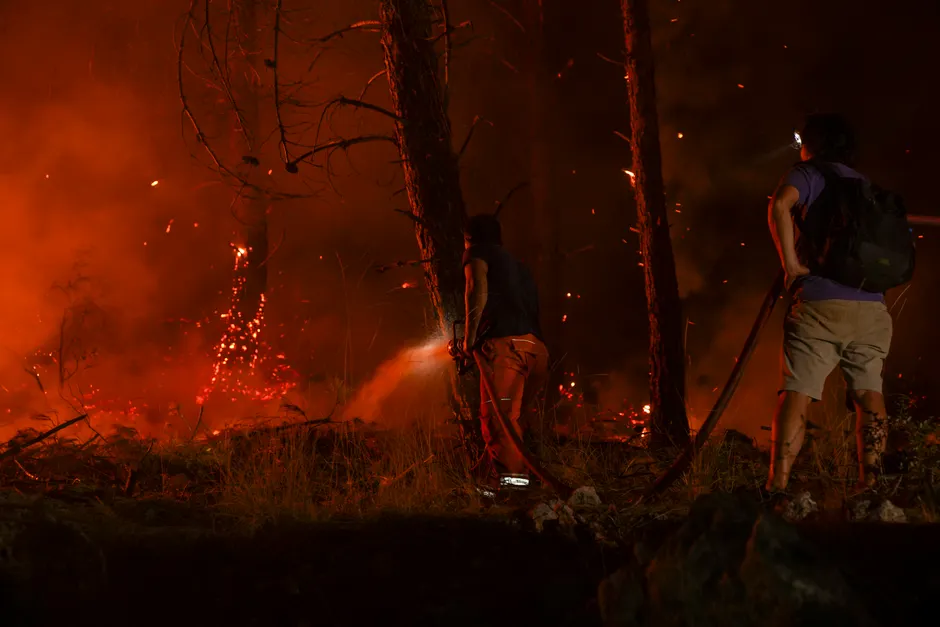
Spain declared a national emergency on July 24, 2026, because of huge wildfires near Madrid and Avila. Fires across the middle of the country and southern Europe forced thousands of people to leave their homes and killed at least one person.
By July 25, more than 30,000 people had been forced from their homes in the Madrid area alone. Another 20,000 were told to stay inside and not go outdoors, because the situation was too dangerous to even evacuate safely (Reuters). The Associated Press said the total number of people evacuated in central Spain was about 70,000, with some 34 villages emptied of residents (AP).
Among the hardest-hit areas were Villa del Prado, San Martin de Valdeiglesias, Pelayos de la Presa, and Aldea del Fresno, where more than 10,000 residents were evacuated as fires moved toward the southwestern edge of metropolitan Madrid (Reuters). Spain's prime minister visited emergency services coordinating the Madrid firefighting effort on July 25 (AP).
A man died in a wildfire near Valencia, authorities reported on July 24, the first confirmed death in this fire cycle (Reuters).
The emergency declaration came after days of worsening fire activity. Spain's largest wildfire of 2026 had been burning for a fifth day as of July 20, and in the central province of Guadalajara, a forest fire continued uncontrolled for a sixth day by July 21, forcing more than 1,200 people to evacuate (Reuters). The EU's Copernicus wildfire monitoring service reported that 104,423 hectares (about 258,000 acres) had burned across Spain in 2026 as of July 20, a number that has almost certainly grown since (Reuters).
The crisis goes beyond Spain's borders. Wildfires across southern Europe have displaced more than a quarter-million people, according to AP reporting, with France also fighting major blazes (AP). That scale of displacement puts this among the largest wildfire-driven population movements in recent European memory.
A national emergency declaration lets Spain's central government take charge of coordinating firefighting resources across its regions, which normally handle their own emergencies. Think of it as calling in reinforcements from every direction, including military units, when local crews can no longer keep up. The shelter-in-place orders, where people were told to stay indoors, mean authorities decided some areas were too dangerous to leave or to be outside in, so residents had to wait it out inside until conditions improved.
The wind is a big part of the problem. Officials warned that high winds could make fighting the Spanish wildfires harder, by grounding planes and helicopters that drop water and by carrying embers ahead of the main fire to start new blazes. Wind-driven fires are especially hard to control in Spain's central mountain ranges, where steep hills, thick plant growth after a wet spring, and long stretches of heat create conditions for fires to spread fast.
The Copernicus numbers are important context. The 104,423-hectare count as of July 20 only captured the early phase of what has since grown into a national-scale event. The Guadalajara fire alone had been burning uncontrolled for six days by then, and the Madrid and Avila fires that triggered the emergency declaration were still getting worse. The total burned area for 2026 will be much higher once the current fires are contained and measured.
The broader context here matters for understanding what comes next. The key things to watch are whether the winds in the coming days let firefighting aircraft fly, whether military units can build containment lines around the fires near Madrid, and whether the broader southern European fire emergency draws on EU help through a program called rescEU. The displacement of a quarter-million people also raises immediate questions about whether there is enough temporary shelter, and longer-term questions about whether it is wise to rebuild homes in fire-prone areas that were once forest.