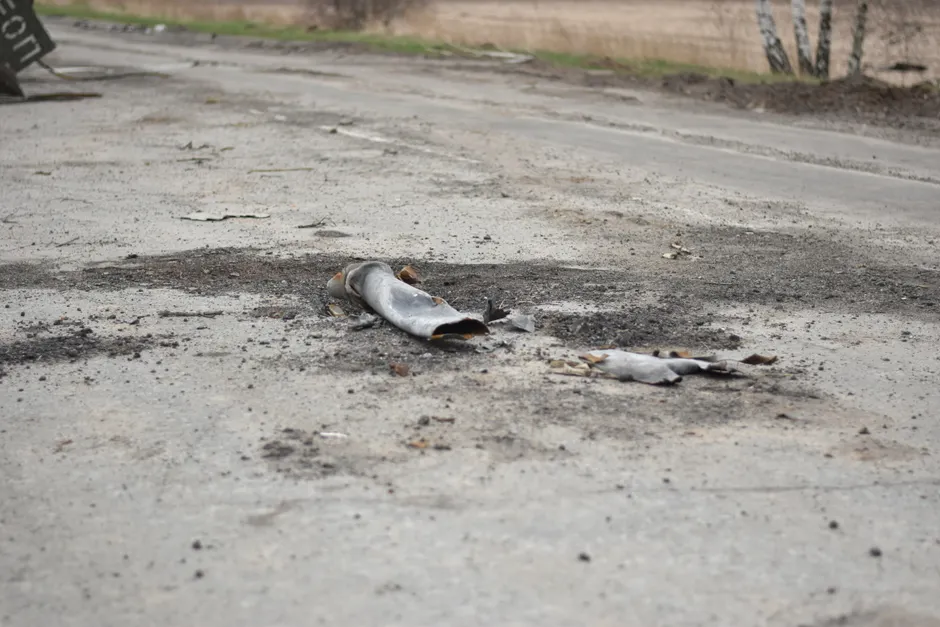
A Russian Missile Landed in Poland. Here's What Happened and Why It Matters.
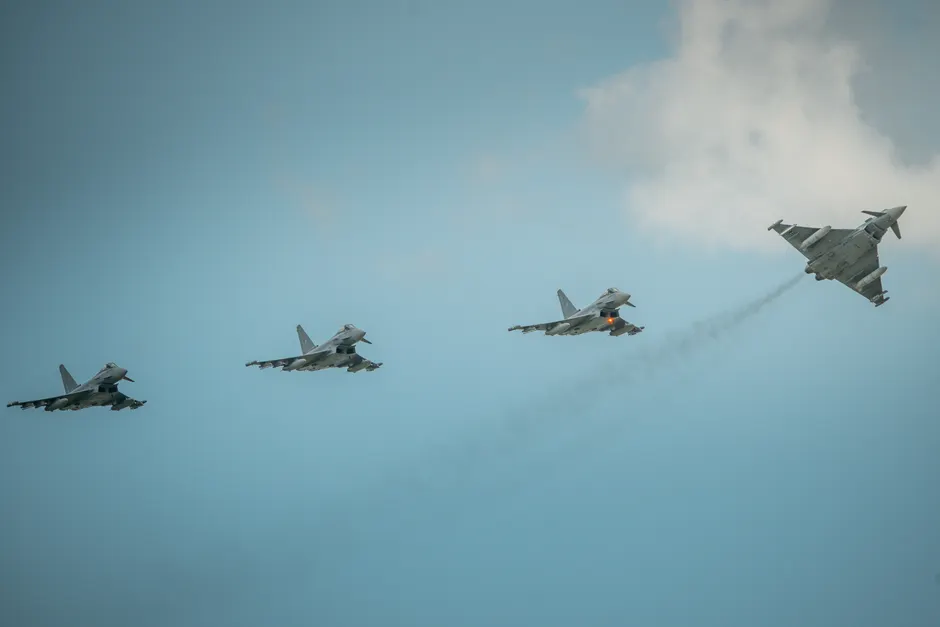
A Russian missile flew into Polish airspace and exploded in the eastern village of Tarnawa-Kolonia on 30 July 2026. NATO responded by sending F-16 fighter jets into the sky, along with a refuelling plane and a radar plane designed to detect threats from far away. Al Jazeera
The missile was part of a large overnight Russian attack on Ukraine using ballistic missiles and drones. That attack killed at least eight civilians and injured more than 50. Al Jazeera Ukrainian forces intercepted only one of nine Russian ballistic missiles during the assault, according to Reuters. That low rate raises the question of whether the missile that reached Poland simply flew past its target by mistake.
Polish Prime Minister Donald Tusk visited the crash site and told reporters that "Everything indicates" the object was a Russian missile. Al Jazeera Ukraine's Foreign Minister Andrii Sybiha said on social media that the weapon was a Russian Kh-101 cruise missile — a type of missile fired from a bomber plane that travels below the speed of sound and can fly more than 2,000 kilometres. Al Jazeera
The explosion happened in the Lublin region, near Poland's border with Ukraine. Smoke rose from the area after impact. Polish authorities said no one was hurt and no buildings were damaged, though the blast left a wide crater in the ground. Al Jazeera; AOL
NATO Secretary-General Mark Rutte said Poland and NATO activated their air and ground defences and called the incident a reckless act by Russia. Al Jazeera A NATO spokesperson confirmed the jet scramble and said the alliance will continue to take all necessary measures to defend its territory. Al Jazeera
NATO also assessed that there were no reasons to believe Poland was intentionally targeted. Irish Times This matters because of how NATO's defence agreement works. The treaty has two key parts. Article 4 lets member countries hold meetings when a member's territory is threatened. Article 5 is the more serious one — it says an armed attack on one member is treated as an attack on all of them. But an accidental border crossing and crash does not, by itself, count as an armed attack under Article 5. By separating the jet scramble from any talk of collective defence, NATO appears to be signalling the seriousness of the violation without pushing toward a direct military clash with Russia.
The broader context here is the ongoing danger that Russia's large-scale strikes on western Ukraine create for NATO's eastern edge. When Russia fires cruise missiles at targets near the Ukrainian city of Lviv, those missiles fly close to Polish territory. A missile that malfunctions or goes off course can cross into Poland in minutes. Poland has been building up its air defences since the war in Ukraine began, working more closely with NATO's air command centre. The quick F-16 response reflects that preparation. But shooting down a cruise missile flying low and fast over your own territory is very difficult, especially when you cannot tell right away whether the missile is heading for a target in Ukraine or drifting into Polish airspace. The two can look identical until the final seconds of flight.
Rutte's choice of the word "reckless" rather than "deliberate" lines up with NATO's formal assessment. It signals that the alliance sees the incident as a result of Russia's intense bombing pace and willingness to take risks, not a planned test of NATO's defence commitment. That wording leaves room for a diplomatic response to the violation of Polish airspace, without forcing the alliance toward military escalation.
For Poland, the incident strengthens the case for spending more on air defence systems and working even more closely with NATO command. For Ukraine, it is a reminder that when Russian missiles land near NATO borders, it helps Kyiv's argument: Russian barrages threaten not just Ukraine but the security of the entire alliance.