The U.S. and Japan Team Up to Prop Up the Yen

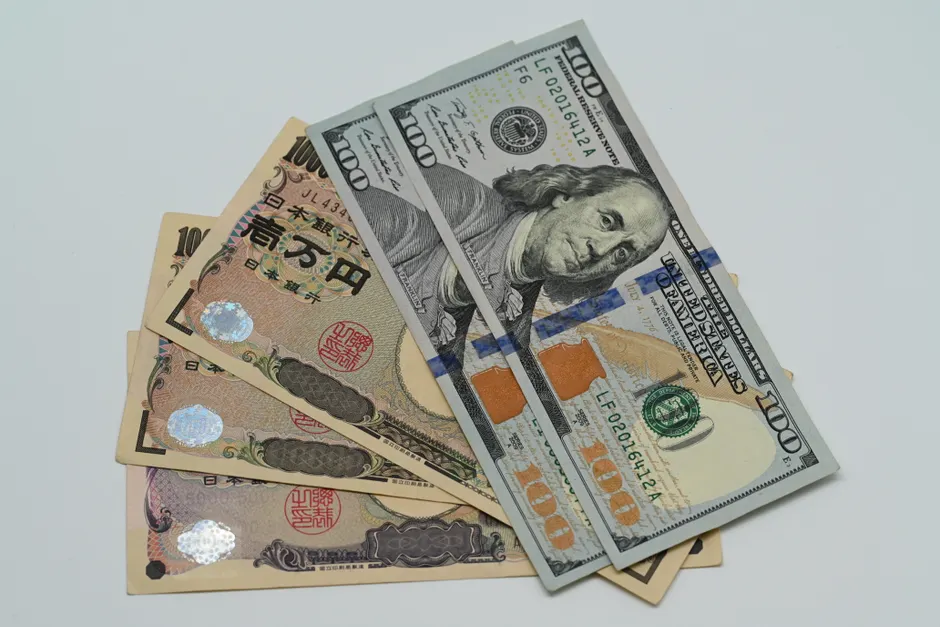
Japan's government confirmed that it teamed up with the U.S. Treasury on Friday, August 1, 2026, to buy yen in the currency market. The joint operation cost as much as $58.97 billion. The yen had been sitting near its weakest level against the dollar in 40 years (Reuters).
The yen had weakened to 159.22 per dollar the day before the intervention, according to Reuters (Reuters). Think of exchange rates like a seesaw. When the yen goes down, the dollar goes up. A weak yen makes Japanese exports cheaper for foreign buyers but makes imports like food and fuel more expensive for people in Japan. When the yen falls too far, the government can buy yen and sell dollars from its savings to push the currency back up.
Japan spent a record 11.7 trillion yen (about $73 billion) on yen-buying in July 2026, Reuters reported (Reuters). The $58.97 billion joint operation with the U.S. on August 1 was part of that monthly total, meaning the teamwork with Washington made up a big chunk of July's record spending.
U.S. Treasury Secretary Bessent said the joint action countered disorderly yen movements (Business Times). The goal was to warn off speculators who had been betting the yen would keep falling (Reuters). Washington's participation was the first time the U.S. helped Japan buy yen in more than a decade (CNBC).
The backdrop to this teamwork included earlier tensions in 2026. Volatility in Japanese government bonds had rattled U.S. bond markets and irritated Secretary Bessent (Business Times). Those earlier tensions make the cooperation on August 1 notable: the two governments agreed on currency policy despite past friction over bond-market spillovers.
Japan has said it will not hesitate to take further action on the yen (Reuters; Investing.com). That warning, combined with U.S. participation, signals that both countries see the yen's weakness as a shared problem, not just Japan's.
Separately, Japan's foreign exchange reserves, the savings it uses for currency intervention, stood at about $1.29 trillion at the end of June 2026. That was down $18.4 billion from the end of May, according to Ministry of Finance data published July 7 (MOF). These reserves are held by the Foreign Exchange Fund Special Account and the Bank of Japan to stabilize the currency market (MOF). The June drawdown happened before the August 1 joint action and likely reflects earlier solo yen-buying during the month.
Japan's Ministry of Finance also publishes detailed statistics on its intervention operations, with scheduled release dates for different periods. August 2026 dates are set for April-June 2026 daily data (MOF), which should provide day-by-day detail on how much Japan spent and when, during the period leading up to the joint action.
The broader context here is that several forces pushed the yen to multi-decade extremes and eventually pulled the U.S. into a coordinated response. When Japanese bond volatility spilled into U.S. Treasury markets earlier in 2026, it likely raised the political stakes for Washington. When Bessent calls yen moves "disorderly," he is using a specific term from IMF rules. It suggests the U.S. Treasury judged that the yen's price had moved beyond what economic fundamentals could justify and posed a broader risk.
The scale of intervention, about $73 billion for July, is large but not unprecedented for Japan. What is new is U.S. participation. A decade-long gap since the last joint operation means traders have no recent playbook for how ongoing coordination might work or how Japan's reserve spending will evolve. The reserve base of roughly $1.29 trillion gives Japan room to keep intervening, but each operation shrinks the savings available for future use and tells the market that both governments are losing patience with yen speculators.
For market professionals, the key thing to watch is whether the Ministry of Finance's April-June daily data, when published in August, reveals how often and at what yen levels Japan intervened before the joint action. That detail will help set expectations for where authorities might step in again.