Google Health and Apple Health Can Finally Share Data Both Ways
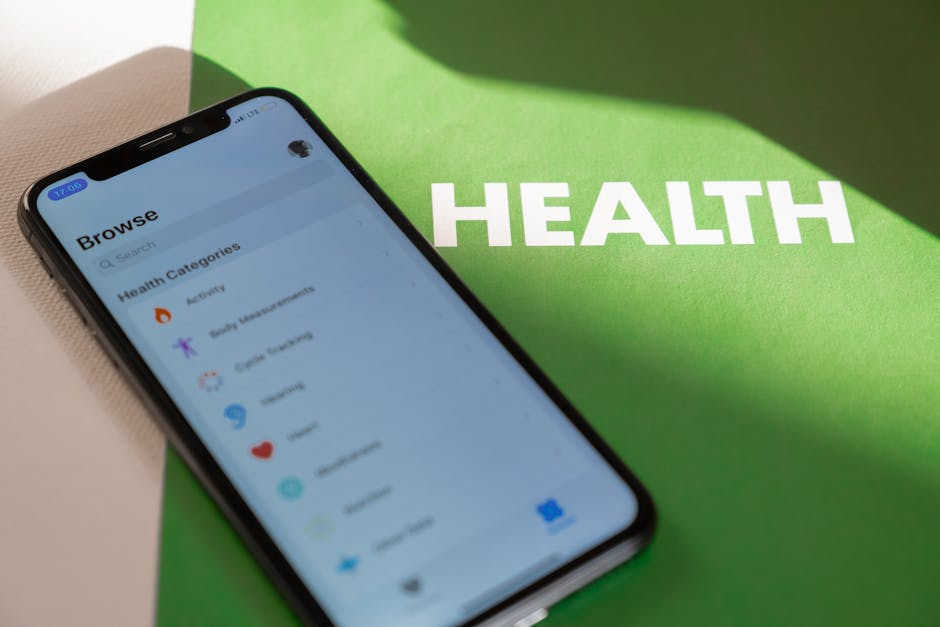
Google has released an update to its Google Health app that lets it share data with Apple's Health app on iPhone in both directions. This means information from Fitbit devices can now appear in Apple Health without needing a separate app to move it across. Apple Health data can also go back into Google's app.
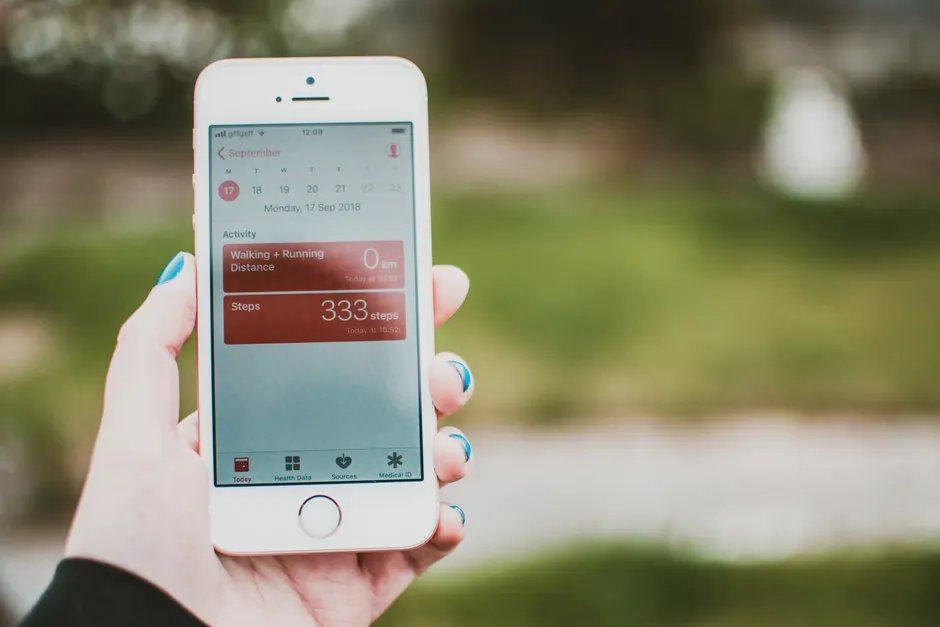
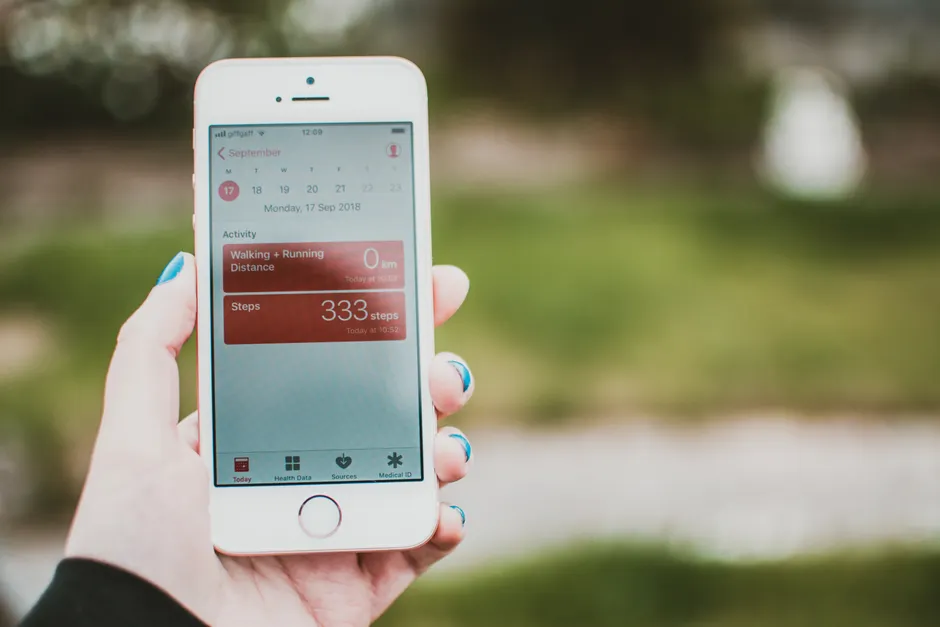
The syncing covers exercise records, sleep data, vitals, and steps, according to 9to5Mac. Previously, getting data to move between the two apps only worked one way.
To turn it on, users tap their profile icon in the Google Health app, select "Partner apps," and choose Apple Health, as The Verge reports. Google's support page describes a consent screen titled "Sync Google Health with Apple Health" that appears after going to "Add connections," tapping Apple Health, and tapping "Get started."
Before this update, people who wanted Fitbit data in Apple Health had to use third-party apps like Power Sync for Fitbit or Fitbit to Apple Health Sync. Those apps acted as a bridge, pulling data from one service and pushing it into the other. This sometimes caused delays, accuracy problems, and in some cases required a paid subscription.
Google Health replaced the standalone Fitbit app in May, bringing Fitbit wearable data under a Google-branded health platform. That change drew complaints about the app's AI health coach, its interface, and other issues, which Google has since partly addressed, according to The Verge.
Alongside the two-way Apple Health sync, Google announced that US users can now use Smart Health Links to share medical records with a doctor or family member through a web link or QR code. This feature is part of the same update and broadens the app beyond fitness tracking into sharing actual medical records.
The broader context here is about two big companies making their health systems talk to each other. Apple's Health app has been the main place iPhone users store health data since 2014. Google's version has gone through several names and forms on Android, from Google Fit to Health Connect to the current Google Health app. People who own Fitbit devices but use iPhones have been asking for this kind of direct connection for years. Google's $2.1 billion purchase of Fitbit made that combination of devices more common, but until now the software did not keep up.
There is a regulatory angle worth flagging. Both Google and Apple have gone through FDA approval processes for health features in their wearable devices, such as detecting atrial fibrillation, an irregular heart rhythm. As these apps collect more medically useful data and add sharing features like Smart Health Links, the boundary between casual fitness tracking and regulated medical information gets harder to see. Google's new ability to share records via QR code steps further into territory that has traditionally involved hospitals, doctors, and other organizations bound by health privacy laws.
For everyday users, the most noticeable change is that third-party sync apps are no longer needed. Apps like Power Sync for Fitbit filled a real need, but they ran outside of Google's and Apple's own systems. If something broke, data could stop flowing and neither company would take responsibility. A direct, official connection removes that risk, though it also means Google and Apple have more control over the data path.
For developers who built those third-party bridge apps, this update shrinks the need for their work. Google Health is becoming a general health data platform rather than just a companion for Fitbit devices.
The update is rolling out now through the App Store. Users who do not see the Apple Health option under "Partner apps" may still be waiting for the update to reach them.