A Dangerous Ebola Outbreak Is Spreading in Africa—Here's What You Need to Know

A Dangerous Ebola Outbreak Is Spreading in Africa—Here's What You Need to Know
The World Health Organization has declared an emergency due to Ebola disease in the Democratic Republic of the Congo and Uganda. This is a big deal. It means the outbreak has crossed from one country into another, and global health agencies are treating it as a serious international crisis.
Ebola is a virus that causes severe illness and often death. It spreads through direct contact with blood or body fluids of infected people. On May 15, 2026, tests confirmed the first cases in a region of the Congo called Ituri Province. Now cases have been found in neighboring Uganda and in other provinces within the Congo.
What We Know So Far
Health officials have identified over 500 suspected cases with about 130 suspected deaths. However, only 30 of these cases have been confirmed through laboratory testing. The virus involved is called Bundibugyo — a particular type of Ebola for which doctors currently have no approved treatment or vaccine.
The outbreak started spreading at least two months before anyone detected it. That means the virus was quietly transmitting between people for a while before doctors realized what was happening.
Where It's Spreading
The outbreak began in smaller health zones, but it has now reached major cities like Butembo and Goma. These are important trade hubs where many people move in and out. This geographic spread is concerning because busy cities make it much harder to stop a disease from spreading.
The World Health Organization director described the situation as a "catastrophic collision of disease and conflict." This captures a real problem: the region is dealing with armed conflict and gang violence on top of a health crisis, which makes it much harder for doctors and health workers to do their jobs safely.
What's Being Done to Stop It
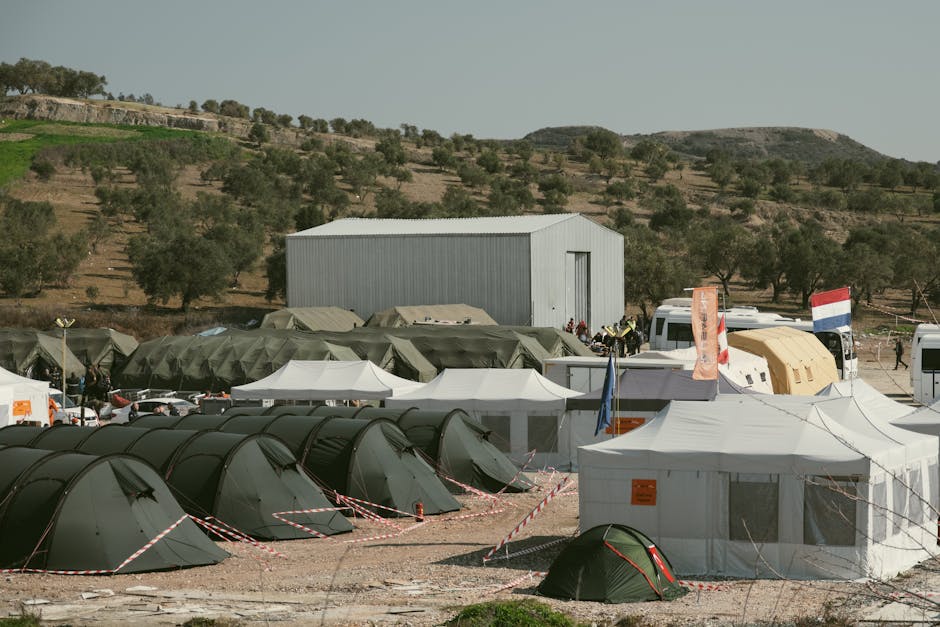
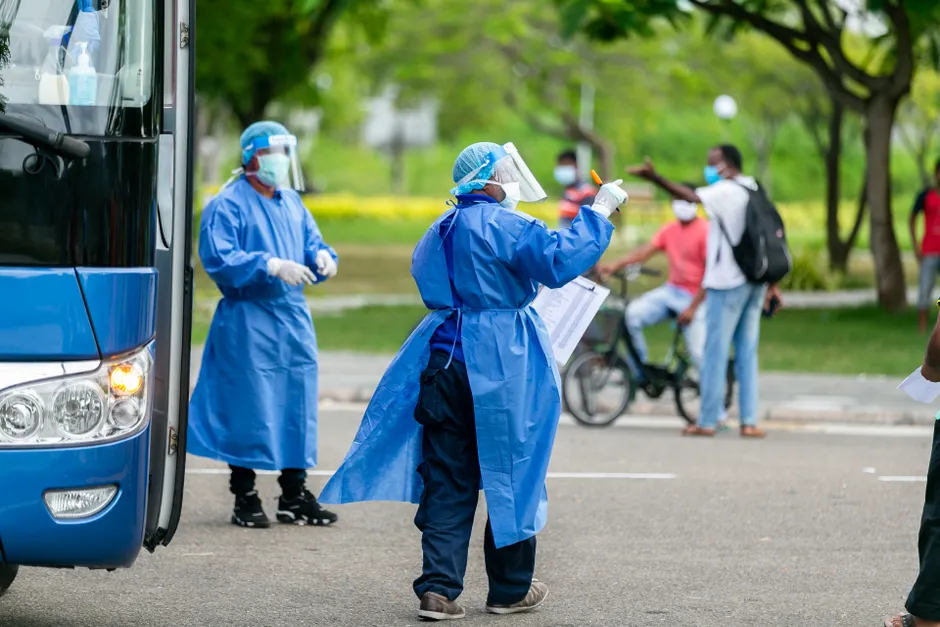
Health organizations have set up emergency response teams. They're sending testing kits to hospitals so doctors can quickly identify who has Ebola. The Congo's government is building three treatment centers in Ituri Province to isolate and care for sick patients.
The European Union has sent supplies like protective masks, gloves, and medical equipment to help response efforts. Local leaders have put rules in place: funeral wakes and large gatherings of more than 50 people are now banned. The goal is to reduce chances for the virus to spread.
One major problem: some people showed up at regular hospitals with Ebola symptoms before anyone knew they had Ebola. Those hospitals were not set up to protect other patients and staff. This pattern of accidental spread at hospitals has made past outbreaks in this region harder to control.
A Bigger Picture Problem
The Congo is actually dealing with two separate Ebola outbreaks at the same time right now. The one in Ituri Province is new. But there's also an older outbreak in Kasaï province that started in September 2025, caused by a different strain of Ebola called Zaire. Managing two different outbreaks in two different places with two different virus types is extremely challenging.
The Congo has had 15 Ebola outbreaks since 1976. This current situation involves two more — making them the 16th and 17th. The country sits in a region where Ebola naturally emerges from animal populations from time to time, so this is not entirely new, but it is always serious.
Why Security Makes Everything Harder
Eastern Congo is an unsafe region with active armed groups and conflict. During the last major Ebola outbreak from 2018 to 2020, armed groups attacked health centers and clinics hundreds of times. They destroyed vaccination programs and stopped contact tracing — the process of finding and monitoring people who were near sick patients.
Some suspected Ebola cases are in areas controlled by rebel groups, which means aid workers and doctors cannot reach them safely. When people don't trust health organizations — often because of past violence or poor experiences — they're less willing to get help or let health workers check on their families. This distrust and lack of security create a trap: the virus keeps spreading because people can't or won't seek treatment, and that makes people even more afraid.
The broader context here is that this pattern played out before during the 2014-2016 Ebola outbreak in West Africa, where fear, weak hospitals, and social breakdown helped the virus spread for years.
What About Other Countries?
Uganda has had confirmed cases, which is why it's included in the emergency declaration. The border between the Congo and Uganda is porous — people and goods cross it regularly — so the virus can follow those same pathways.
The United States Centers for Disease Control says there have been no Ebola cases connected to this outbreak reported in America. The CDC has had an office in the Congo since 2002 and continues to monitor the situation. Other international groups like UNICEF are helping on the ground with sanitation, clean water, and teaching communities how to protect themselves.
What's Missing That Could Help
Here's the hard truth: doctors have no proven medicine to treat Bundibugyo Ebola and no vaccine to prevent it. That means the only tools available are the old ones: keeping sick people isolated, finding everyone they contacted and watching them for symptoms, and getting communities to trust health workers enough to cooperate.
The World Health Organization says the risk at the national level is "very high." The fact that they declared an international emergency only three weeks after cases were confirmed shows they believe this is spreading faster than normal containment methods can handle.