A Fast-Moving Wildfire Forced an Entire B.C. Town to Evacuate

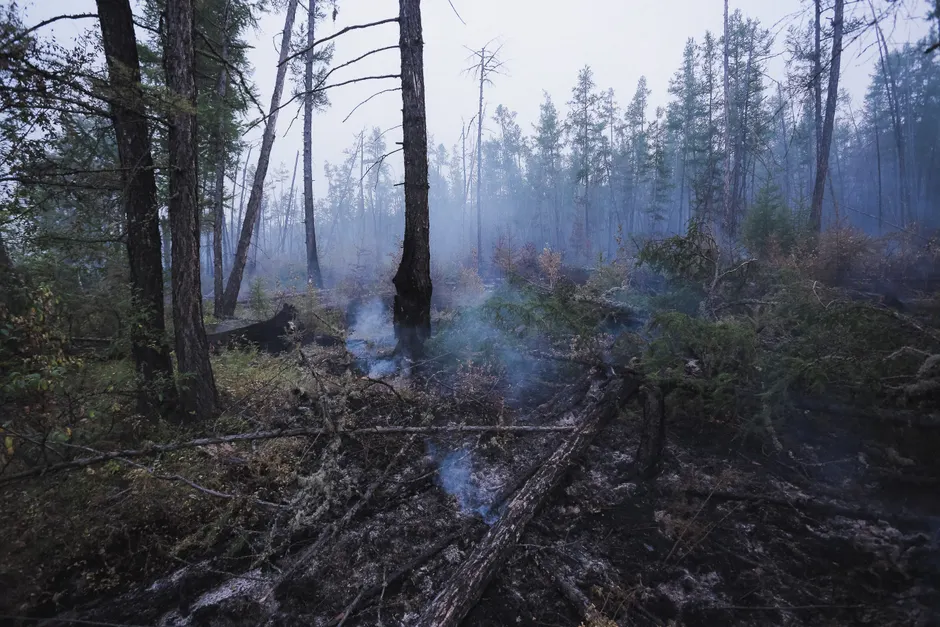
The District of Summerland declared a state of local emergency on August 8, 2026, as the Bald Range wildfire forced evacuation orders across the entire community and neighbouring areas in British Columbia's Okanagan-Similkameen region. District of Summerland
EmergencyInfoBC, the B.C. government's emergency notification service, issued an evacuation order for the entire District of Summerland on August 8, telling residents to leave immediately because of significant risk from the Bald Range wildfire. The order came after a series of escalating alerts that began the night before, when Summerland issued its first evacuation order at 10:20 pm on August 7. That first order targeted a specific area: properties in Upper Summerland west of Victoria Road. EmergencyInfoBC
The Regional District of Okanagan-Similkameen (RDOS) Emergency Operations Centre issued its own evacuation order for the Bald Range wildfire at 8:00 pm on Friday, August 7. The BC Wildfire Service has identified the fire as burning about 15 kilometres west of Summerland, under the incident number K51490. BC Wildfire Service
The fire's reach extends beyond Summerland's boundaries. The District of Peachland, located on the western shore of Okanagan Lake, placed areas under both evacuation orders and alerts as of August 8 in response to the same wildfire. District of Peachland
The pattern of escalation tells its own story. What started as a targeted evacuation of one neighbourhood on the evening of August 7 grew within hours to cover the entire district, leading to the local emergency declaration on the morning of August 8. The fact that EmergencyInfoBC, RDOS, and Peachland all issued orders around the same time shows the fire was serious enough to require coordination across multiple local governments along the western Okanagan corridor.
Summerland's municipal government issued two separate evacuation orders on August 8. One targeted the Upper Summerland area west of Victoria Road. The other, along with the state of local emergency declaration, extended the evacuation to the entire community. Under British Columbia's Emergency Program Act, a state of local emergency gives a local government extra powers, including the ability to force people to leave, restrict access to areas, and take over private property for emergency use. District of Summerland
The Bald Range wildfire is burning in a region with a well-documented history of interface fires, which are fires that burn where wildland meets towns and cities. The Okanagan Valley's landscape, dry vegetation in summer, and communities built near forested areas have led to several major fire events in recent decades. Emergency managers in the region have refined their response protocols through those experiences. The K51490 label follows the BC Wildfire Service's standard coding system, where the "K" indicates the fire is within the Kamloops Fire Centre, one of six regional fire centres in the province.
Multiple agencies are now working together in coordinated response. The RDOS Emergency Operations Centre is active and issuing orders alongside municipal authorities in Summerland and Peachland. EmergencyInfoBC is serving as the province-wide public communications channel. The BC Wildfire Service is providing fire information and classification. This layered structure, with local governments issuing evacuation orders while provincial agencies provide support, is standard under B.C.'s emergency management framework.
The broader context here is the speed of escalation. The gap between the first evacuation order at 10:20 pm on August 7 and the community-wide order and emergency declaration on August 8 suggests either rapid fire growth, worsening weather conditions, or both. For emergency planners across the Okanagan, the fact that both Summerland and Peachland activated evacuation protocols at the same time signals that the Bald Range fire has grown beyond what a single community can handle on its own. With communities on both sides of Okanagan Lake affected, the question is whether other towns along the corridor may need to activate their own emergency plans in the coming days.
For residents in the affected zone, the practical reality is straightforward: the evacuation orders are mandatory, not suggestions. Under the provincial emergency framework, ignoring a lawful evacuation order can carry penalties. More practically, emergency services may not be available to help anyone who stays behind in evacuated areas if conditions get worse.