Qatar Shoots Down Iranian Jets, and Iran Claims a US Fighter Downed: A Widening Air War
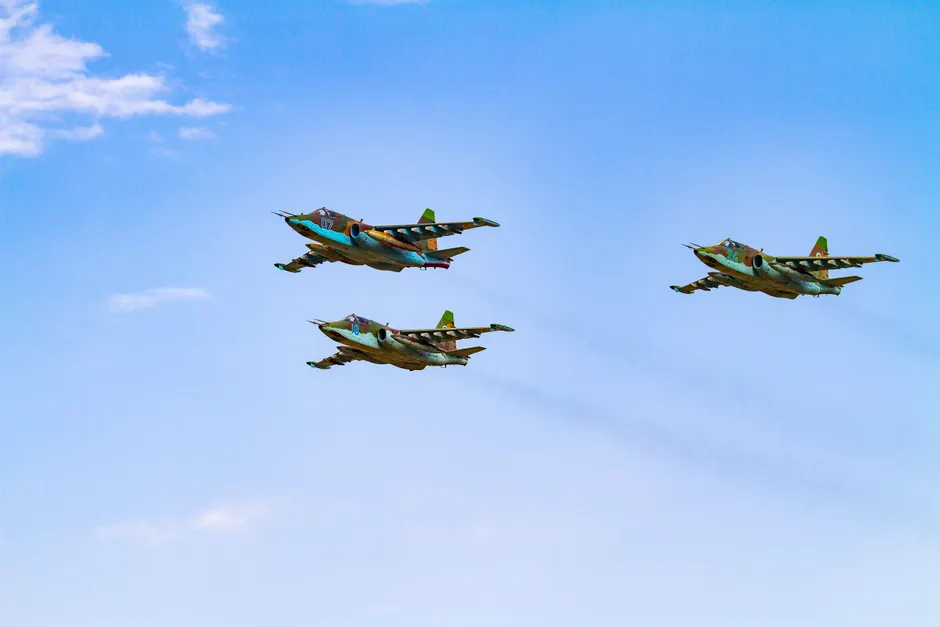
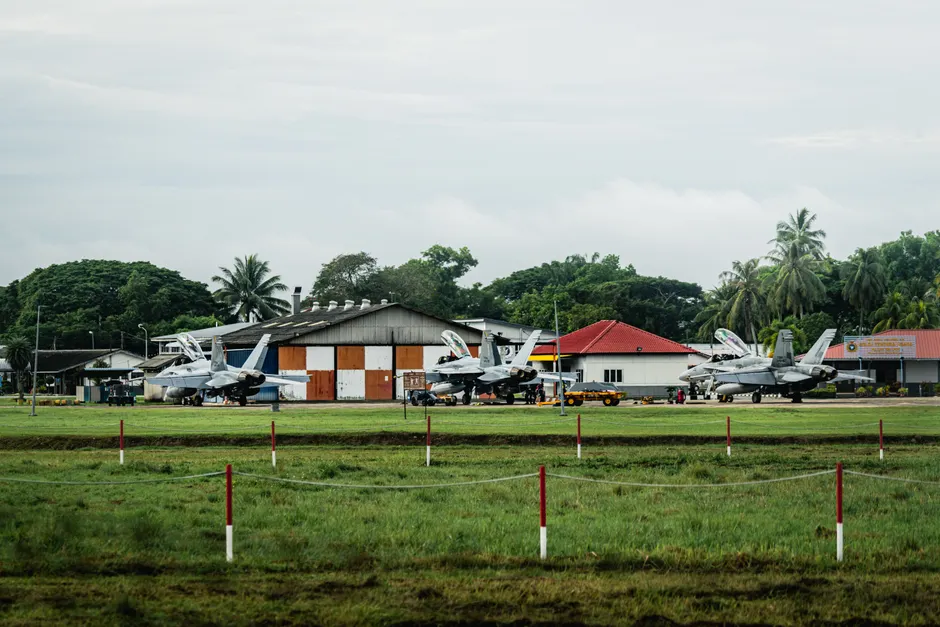
Qatar's government announced that its air force shot down two Iranian fighter jets in early March 2026, a direct military engagement that pulled a third country into the escalating conflict between the United States and Iran (Al Jazeera). The announcement, reported on March 2, shifted Qatar from its usual role as a diplomatic mediator into that of an active combatant.
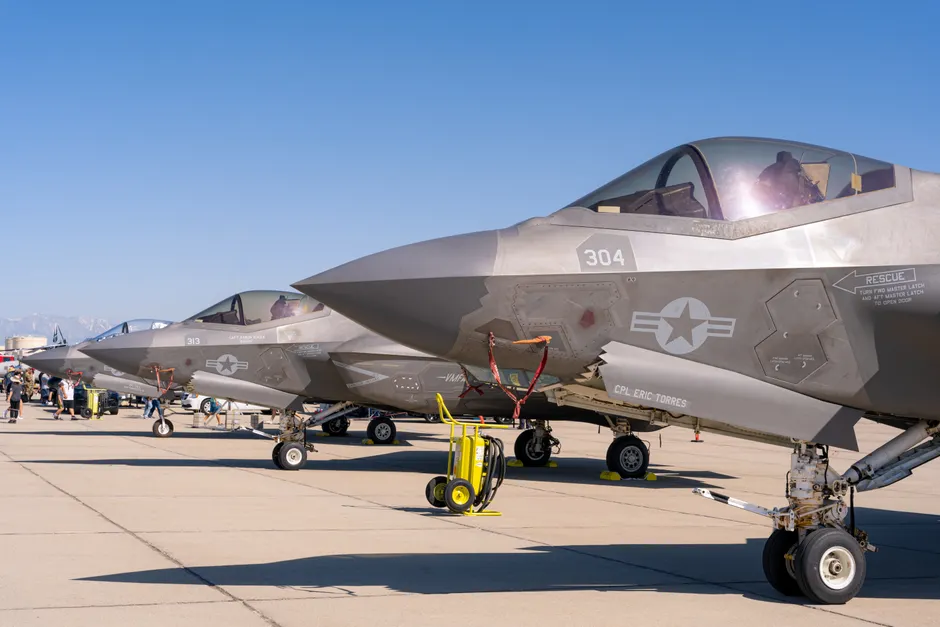
Separately, Iran's parliamentary speaker, Mohammad Bagher Ghalibaf, stated that Iranian forces shot down a US F-15E Strike Eagle over southwestern Iran during the conflict with the United States (CBS News). The F-15E is a dual-role fighter-bomber operated by the US Air Force, capable of both air-to-air combat and ground attack. Ghalibaf's claim, reported on April 6, would represent a notable loss of a high-value aircraft if confirmed by US authorities. No independent confirmation from the Pentagon appeared in the available reporting.
Taken together, the two incidents reveal a conflict in which control of the skies is being contested across multiple fronts at once. Iranian fighter jets operating near or inside Qatari airspace suggest either offensive missions targeting infrastructure in the Gulf region, or provocative patrols designed to test the air defenses of US-aligned Gulf states. Qatar's decision to shoot down the aircraft rather than intercept and escort them away signals a threshold crossed: the Qatari government treated the airspace violation as a hostile act requiring lethal force.
For Qatar, the stakes of this engagement run particularly deep. Doha has long positioned itself as a neutral mediator in regional conflicts, maintaining open channels to Tehran, Washington, and Hamas all at the same time. Shooting down Iranian military aircraft moves Qatar away from a mediating role toward a participant's role, with consequences for its diplomatic standing in any future peace efforts.
The timing of Ghalibaf's disclosure also raises questions. His statement came more than a month after the Qatari incident, suggesting the conflict persisted beyond the initial March escalation and that both sides continued to sustain and claim losses into at least April. Whether the F-15E shootdown happened earlier and was withheld for operational security reasons, or whether it was a more recent engagement, remains unclear from the available reporting.
The broader context here is one of horizontal escalation, meaning a conflict that started between two parties is now spreading to involve additional countries and geographic areas. A bilateral US-Iran exchange has now produced kinetic engagements, meaning actual military combat, involving at least one third state, along with stated losses of advanced combat aircraft on multiple sides. The claimed loss of an F-15E puts the United States in the position of accounting for a high-value military platform, while the downing of two Iranian fighters by a Gulf state rather than by US forces complicates any Iranian attempt to frame the conflict as strictly between Tehran and Washington.
Several claims remain unverified independently. Iran's assertion about the F-15E comes from a political official rather than a military command, and no wreckage, crew status, or US confirmation accompanied the statement. Qatar's announcement, while more direct, similarly lacks corroboration from independent observers on the ground. Both claims should be treated as attributable to their sources rather than as independently established facts.
What follows from these engagements will likely hinge on whether the conflict continues to expand its geographic footprint. If Iranian aircraft keep operating near Gulf state airspace, the precedent Qatar set on March 2 will put pressure on other members of the Gulf Cooperation Council, a political and economic alliance of Gulf states, to respond in kind. Conversely, a confirmed US loss of a Strike Eagle in southwestern Iran would raise questions about how long non-stealth aircraft, those not designed to evade radar, can survive in a contested air defense environment, and could influence future US military decisions in the region.
The verified facts support a conflict that is both widening in geographic scope and intensifying in the frequency of military engagements. Two states have now confirmed or claimed the destruction of advanced combat aircraft belonging to the opposing side. The gap between March and April reporting suggests these were not isolated incidents but part of a sustained campaign.