Why Waymo Is Pulling Out of Uber in Phoenix — and What It Means

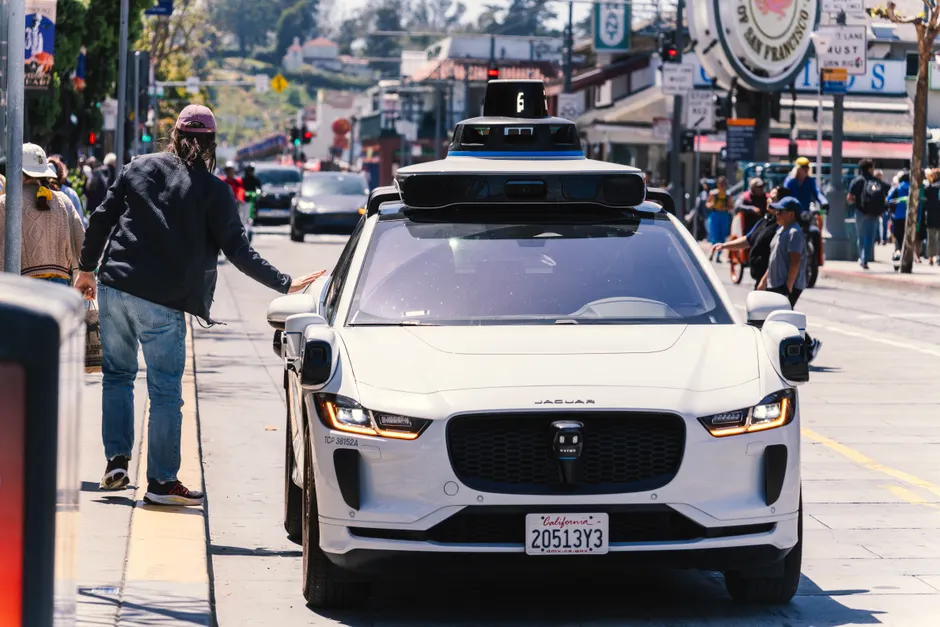
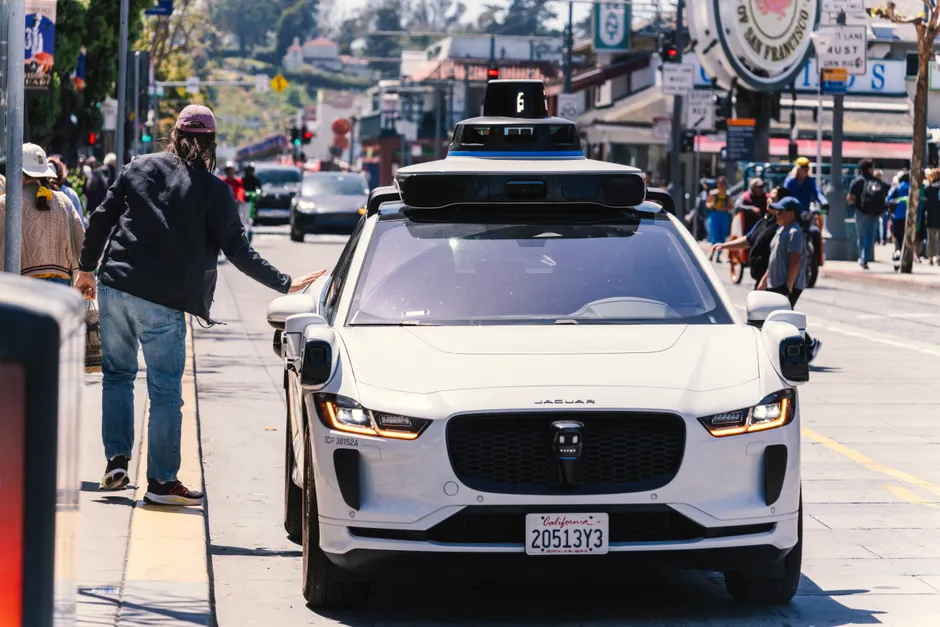
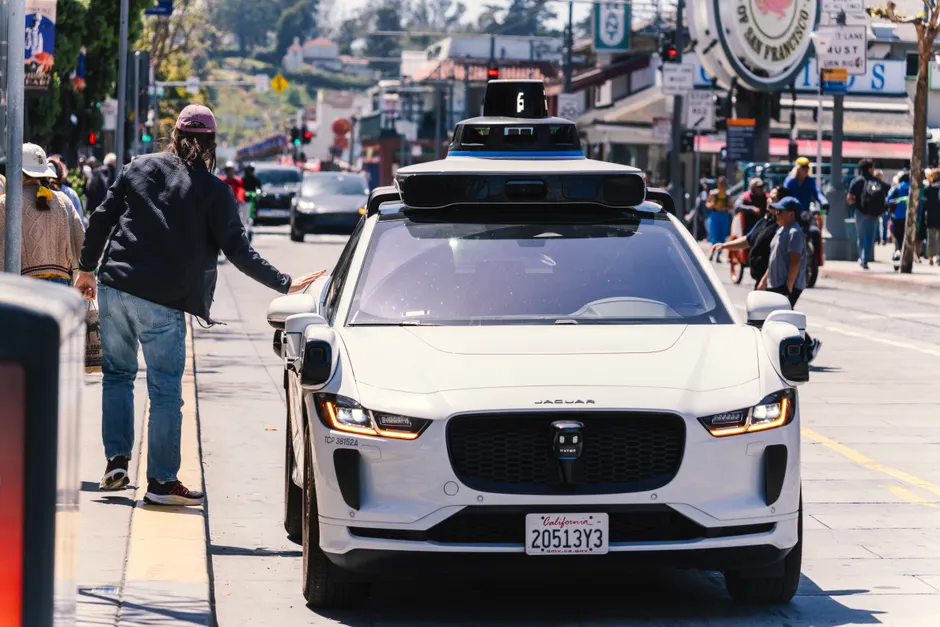
Uber has stopped offering Waymo autonomous rides in Phoenix, ending the distribution channel in the city where the partnership between the two companies first proved itself to consumers in October 2023.
Phoenix was the test case. When Waymo and Uber announced their collaboration in May 2023, the arrangement was clear: Waymo's self-driving vehicles, operating across more than 180 square miles of metro Phoenix — at that time, the largest fully autonomous commercial service area in the world — would become bookable through Uber's consumer app. Waymo handled the fleet, software, and safety validation; Uber provided the user base and payment infrastructure. The Waymo Driver went live on Uber that October, marking the first time a major ride-hailing platform had integrated a third-party autonomous vehicle service at scale.
The partnership expanded quickly from there. By April 2024, Waymo vehicles were handling Uber Eats deliveries in Phoenix, extending the fleet into last-mile logistics. Five months later, Uber and Waymo announced expansion into Austin and Atlanta, suggesting Phoenix had proven the model worked. Austin launched on Uber's platform in early 2025. During this period, Waymo One was processing hundreds of thousands of rides per week across all its markets.
The withdrawal from Phoenix on Uber's platform represents a contraction — though Waymo's independent autonomous operations in the city continue under its own Waymo One brand. The distinction matters.
The practical impact hinges on perspective. From an operational angle, Phoenix remains Waymo's most mature environment: a sprawling, grid-planned metro with predictable weather, wide streets, and years of accumulated mapping data and driving scenarios. Removing the Uber booking channel reduces one way people can request a Waymo ride but does not alter Waymo's core operational capability in the city. From Uber's position, Phoenix was always the pilot program; Austin and Atlanta are the active growth zones, and Waymo's delivery partnerships run even deeper.
The Uber-Waymo partnership was built on mismatched needs. Waymo needed a consumer distribution channel with volume to make commercial ride numbers meaningful before investing in its own customer acquisition. Uber needed autonomous supply — vehicles with no driver-hour limits — to maintain relevance as more cities deploy self-driving cars. Those incentives lined up well in 2023. Whether they remain aligned in Phoenix, or whether the economics have shifted from what both companies expected, neither has disclosed.
The competitive landscape for self-driving cars is narrow. Waymo is the only company running a fully driverless commercial service at meaningful scale in the United States. Its main competitor, Cruise, suspended operations after a serious safety incident in late 2023. Others remain in testing phases. That competitive advantage gives Waymo negotiating power with partners, and it makes sense that partnership terms shift as Waymo's own direct-to-consumer app grows and as the fleet expands. The trip volumes Waymo One logs suggest the company's own app is already a substantial way for people to book rides.
For people working in autonomous vehicles or studying how this technology moves from experiment to business, the Phoenix story offers a concrete lesson. Building a robotaxi service takes years of mapping cities, gathering edge cases — unusual scenarios that need to be handled correctly — securing regulatory approval, and maintaining infrastructure. Keeping it running and growing is a different problem entirely: it requires channel economics, understanding consumer behavior, and managing the interests of partners whose strategies may shift. The Uber-Waymo partnership generated real-world data and genuine consumer adoption across multiple cities. That the arrangement is now being wound down in its original market signals not a failure of the technology but rather that the commercial layer above it — how to distribute and profit from autonomous rides — is still being worked out.