Colombia Shifts From Rescue to Recovery After Devastating 7.4-Magnitude Earthquake

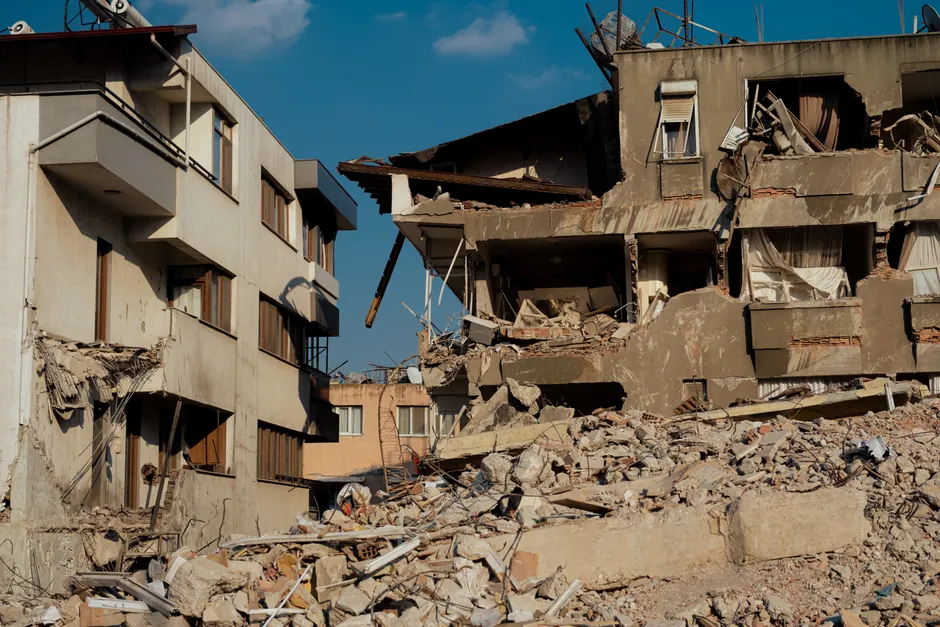
One week after a magnitude 7.4 earthquake struck western Colombia on August 10, 2026, the country's disaster response has moved from searching for survivors to housing the homeless, delivering basic necessities, and beginning demolition and reconstruction. At least 289 people are confirmed dead and 4,187 injured, according to the latest government figures reported by Al Jazeera. Reuters placed the death toll at approximately 290, noting that search teams were still combing rubble nearly a week after the quake.
The epicenter was located near San Jose del Palmar, a rural town in Colombia's Pacific region. The quake damaged fifteen of Colombia's thirty-two provinces and caused severe damage in nearby cities, including Pereira, Quibdo, and Cali. The structural toll is extensive: 127,557 homes damaged and 26,945 destroyed, along with 285 health centres and 2,838 educational facilities. Critical infrastructure took a heavy blow, with 407 roads, 92 water supply systems, 44 vehicular bridges, and five airports damaged Al Jazeera.
In Cali, the quake collapsed two major medical facilities: the Clinica Nuestra private hospital partially gave way, and the University Hospital of the Valle Evaristo Garcia collapsed entirely. The seven-storey Vanessa apartment building also collapsed on August 10, showing no signs of survivors. Search and rescue operations at the Vanessa Building were suspended on Friday, with body recovery beginning, according to Enrique Zapata. Sergeant Joel Bustamente led the Bogota Fire Department's deployment to Cali. Across all affected areas, Colombian emergency response teams saved 354 lives in the first week.
The discrepancy over the missing reflects the confusion of the early aftermath. Colombian government figures counted 143 people unaccounted for as of Sunday night. The unofficial online database Colombia Te Busca ("Colombia is looking for you") put the number at more than 3,000 Al Jazeera. Reuters separately reported that hundreds remained missing nearly a week after the quake, with hope for additional survivors fading Reuters.
Reconstruction will be costly. Colombia's Ministry of Finance estimates the rebuilding effort at US$6,350 million, roughly 1% of GDP (the total value of goods and services a country produces in a year), and will need to adjust the national budget it presents to Congress to accommodate the expenditure Infobae. President Abelardo De La Espriella announced on August 12 that earthquake response funds would be allocated to reconstructing hospitals, educational centres, and buildings. He subsequently stated that all reconstruction needs for Pereira would be incorporated into an Economic Emergency decree, a mechanism that allows the government to bypass normal spending procedures for speed Presidency of Colombia.
On August 13, the government and the construction sector launched a national plan to rebuild affected homes, providing subsidies and machinery. The president also gave a formal statement to media on the reconstruction plan, published on the presidency's official website on August 16 Presidency of Colombia.
Institutional leadership was in flux even as the crisis unfolded. President De La Espriella inaugurated David Tamayo as the new director of UNGRD, Colombia's National Disaster Risk Management Unit, on August 12, with the earthquake response designated as his first responsibility UNGRD. UNGRD also announced it is deploying satellite technology to strengthen damage assessment across the affected zone.
International assistance has begun flowing in. The non-profit Direct Relief mobilized medical aid, funding emergency flights carrying medical supplies and blood units Direct Relief. U.S. and local organizations were collecting donations for recovery efforts, according to Associated Press reporting AP via Fox59.
The broader regional context adds a comparative dimension. Reuters reported that devastating earthquakes striking weeks apart in Venezuela and Colombia exposed sharply different government capacities to respond to disaster, drawing a contrast in rescue efforts between the two countries Reuters.
The transition from rescue to recovery is a defining turning point. With 143 people officially missing and unofficial databases suggesting the number could be far higher, the gap between government accounting and on-the-ground reality will likely shape public confidence in the reconstruction process. The US$6.35 billion price tag, equivalent to roughly 1% of GDP, forces a fiscal reckoning: the Finance Ministry must rework a budget already headed to Congress, and the Economic Emergency mechanism for Pereira signals that normal procurement and spending channels are being bypassed for speed. How transparently those emergency powers are used, and whether satellite-based damage assessment by UNGRD can produce an accurate picture fast enough to guide reconstruction funding, will determine whether this recovery narrows or widens the trust gap between affected communities and the state in Bogota.