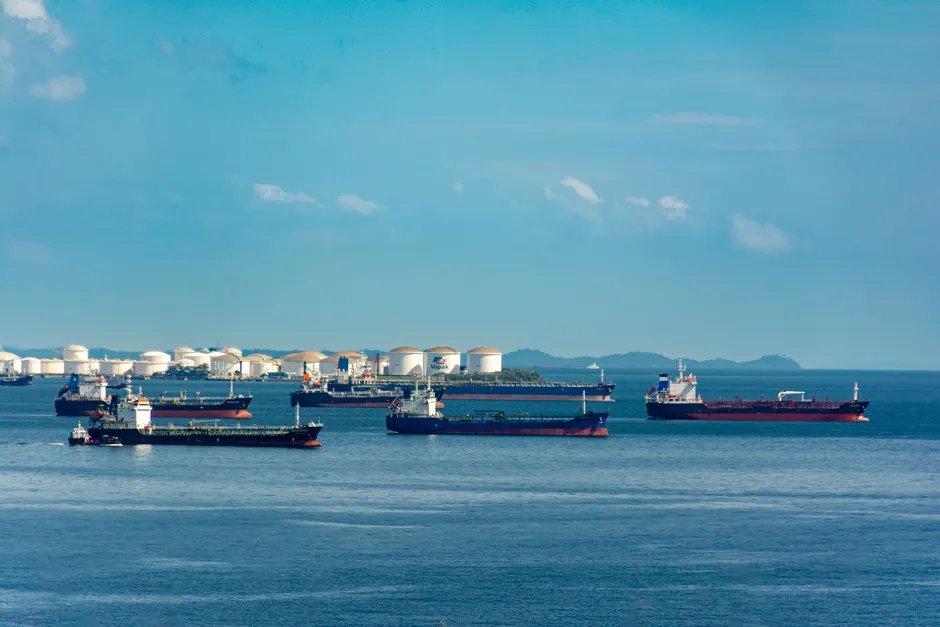
Iran Threatens to Shut the Strait of Hormuz as US Sanctions Tighten Again

On August 24, 2026, former Iranian IRGC commander Mohsen Rezaee warned that "not a single drop of oil will be exported" through the Strait of Hormuz or the Persian Gulf if the United States continues its economic pressure on Iran. The warning, posted on X, came the same day US Treasury Secretary Bessent was set to announce additional sanctions on Iran. Reuters
Iran's state news agency IRNA reported on August 18 that the Strait of Hormuz will not reopen until the US blockade and oil sanctions on Iran stop. An Iranian vice president had said earlier, in April 2026, that "the security of the Strait of Hormuz is not free of charge" — meaning that if the US blocks Iran's oil sales, Iran can restrict passage through the waterway in return. IRNA
The United States has pledged what officials called an "economic D-Day" against Iran over its oil exports and sanctions-related activities. President Donald Trump has also threatened economic sanctions on Iran's trading partners in August 2026, widening the pressure beyond Tehran's direct commercial ties. Reuters
The current escalation follows a brief easing in June 2026, when the US and Iran signed an initial deal to end their war and relax sanctions. That agreement temporarily waived — but did not eliminate — sanctions Trump had imposed on Iran's oil exports, allowing Iran to resume selling crude. By August, the arrangement had frayed. OPEC and its allies were forced to cut oil output in August 2026 after a drop in Iranian supply, caused by renewed US sanctions, disrupted their attempts to raise production. AP News; Reuters
The June deal itself came after months of disruption. A widening conflict in Iran earlier in 2026 had halted oil tankers, made refineries targets, and rattled investors worried about the cascading impact of rising oil prices. Iran's supreme leader vowed in April to protect the Islamic Republic's nuclear and missile capabilities, reinforcing Tehran's red lines even as diplomatic channels stayed open. AP News; AP News
Diplomatic efforts have flickered on and off. Iran said in June that the lifting of oil sanctions was discussed during talks in Switzerland. Oil prices settled more than 5% lower at a three-week low on August 4 after claims of progress in US-Iran talks, before climbing again as those discussions failed to produce a lasting agreement. Iran's president called for a diplomatic solution to the dispute in late August 2026. IRNA; Reuters
Trump has also threatened Oman, even as Iran said it was working with the Gulf Arab country on a plan to manage shipping through the Strait of Hormuz. The move to pressure Muscat signals that Washington's secondary sanctions — penalties placed on third parties that trade with a sanctioned country — may be widening to include states facilitating Iranian oil transit. Meanwhile, Iran approved tankers carrying Iraqi oil amid the sanctions dispute in August 2026, suggesting Tehran is selectively managing shipping traffic through the waterway even as it threatens closure. AP News; Reuters
Iranian state media has amplified assessments from UK media asserting that Iran retains strategic leverage despite US pressure and that Trump faces a policy deadlock. Separately, Iran has signaled readiness to re-enter the international oil market, a stance it has maintained since at least early 2021. IRNA
The broader context here is a sanctions cycle that has now repeated twice in 2026: escalation, a temporary deal, partial relief, then renewed pressure. The June waiver structure suspended sanctions without removing them, leaving Iran's oil trade structurally precarious. Any single US political decision could, and did, reactivate the restrictions. The latest round of Treasury sanctions, combined with threats to third-country trading partners, tightens that vise further.
For oil markets, the Strait of Hormuz is the critical choke point. Roughly a fifth of global seaborne crude passes through it. Iran's threats to close the waterway are not new, but the combination of factors right now is: an active US sanctions escalation, OPEC supply constraints triggered by lost Iranian barrels, and a diplomatic process that has produced no lasting framework. The market reaction in early August, when prices dropped 5% on talk of progress and then reversed, shows how tightly traders are pricing political risk into supply expectations.
What remains unresolved is whether Iran's threat to close Hormuz is a credible operational plan or a coercive signal. Iran's concurrent approval of Iraqi oil tankers suggests it is exercising selective control rather than blanket closure. But Rezaee's language ("not a single drop") is maximalist, and IRNA's August 18 report that the strait will not reopen until sanctions end aligns with that posture. The gap between Iran's diplomatic opening, its president's call for a negotiated solution, and the IRGC's hardline rhetoric is itself a signal: Tehran is running parallel tracks, keeping both escalation and de-escalation alive as leverage.